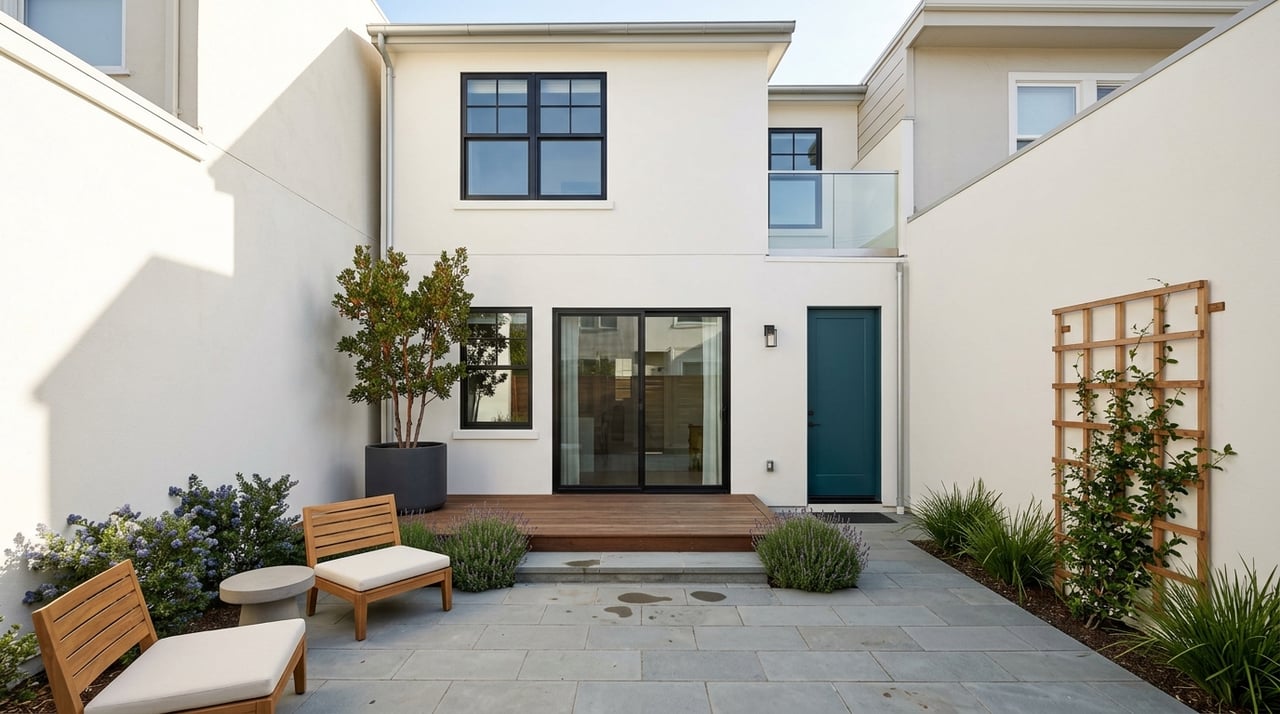
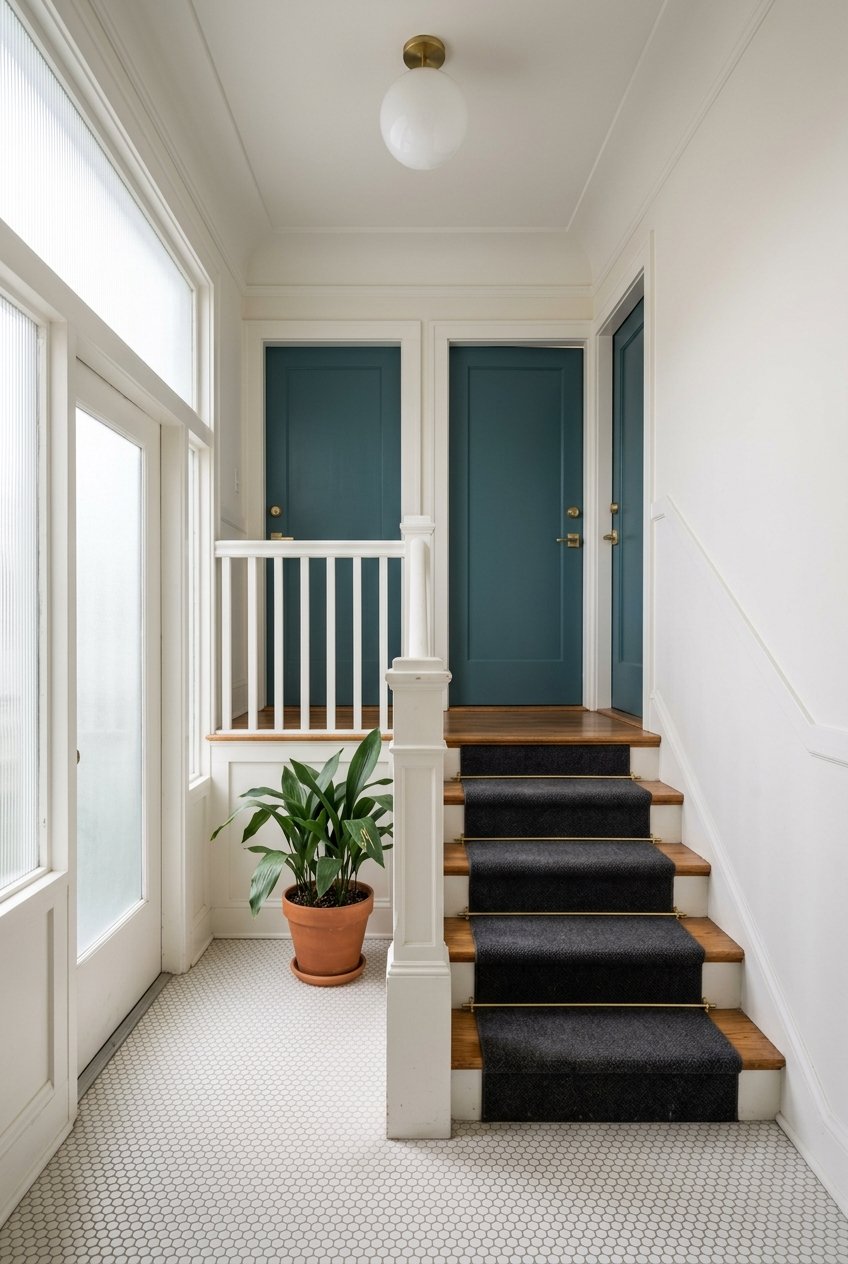
Is your Victorian in Pacific Heights or Cow Hollow almost ready to shine, but you are unsure how much to update before listing? You are not alone. Buyers here pay a premium for original character and great views, yet they still expect modern comfort and clear documentation. This guide shows you how to protect what makes your home special, make smart updates, price with precision, and prepare the right disclosures. Let’s dive in.
Market snapshot and pricing strategy
Pricing in Pacific Heights and Cow Hollow sits in the multi‑million range, and single‑family homes with strong views can trade well above neighborhood medians. Use the neighborhood median as context only, not as a list‑price target. The real lever is how your block, view, parking, and condition compare to the best recent comps. Treat your home’s period features and permitted upgrades as value drivers, not afterthoughts.
Factors that move price
- View quality: panoramic, partial, or none. Views should show prominently in photos and floor plans.
- Parking: a usable garage or off‑street space often adds meaningful value and buyer confidence.
- Kitchens, baths, and systems: buyers discount for tired finishes or unpermitted work.
- Block, light, and access: proximity to Union, Fillmore, Alta Plaza, and the Presidio is commonly noted by buyers.
How to set your list price
- Start with recent closed comps on the same block or in the same view band.
- Adjust for visible condition, intact period detail, and documented, permitted upgrades.
- Confirm whether unique features, like a garage or exceptional light, match higher‑end comps.
- Show the view story visually. Include a hero view photo and floor plan orientation that proves it.
Preserve character, update where it counts
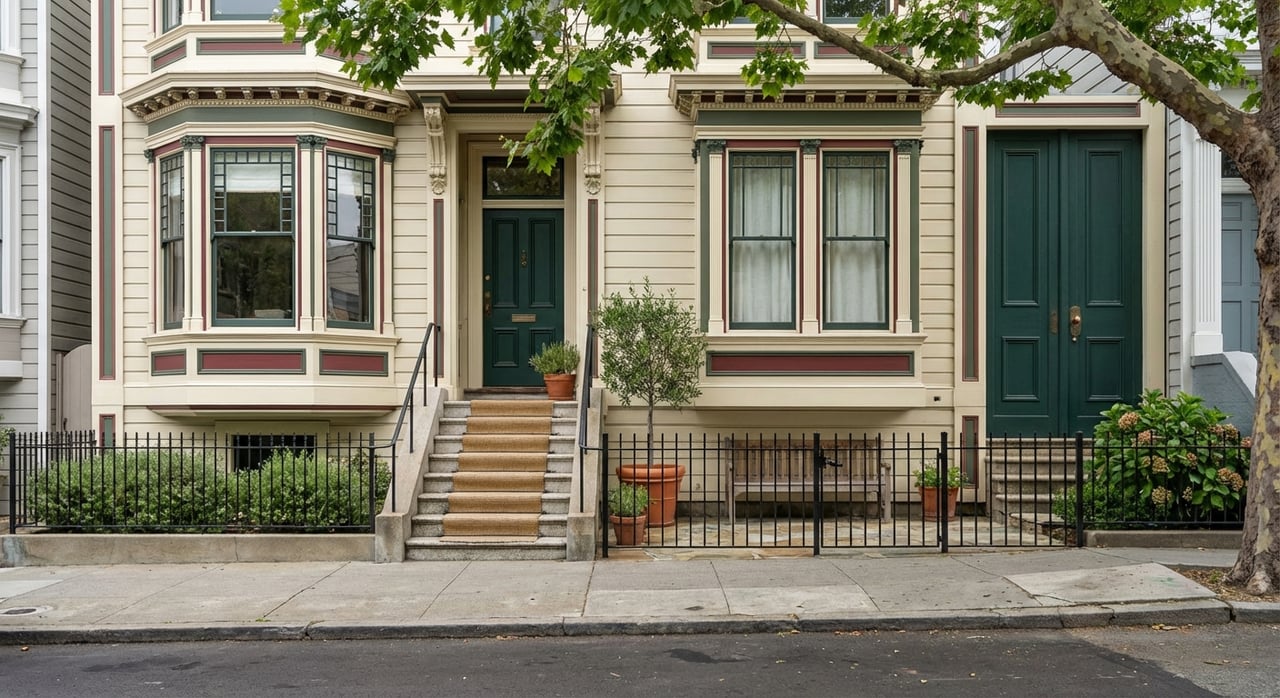
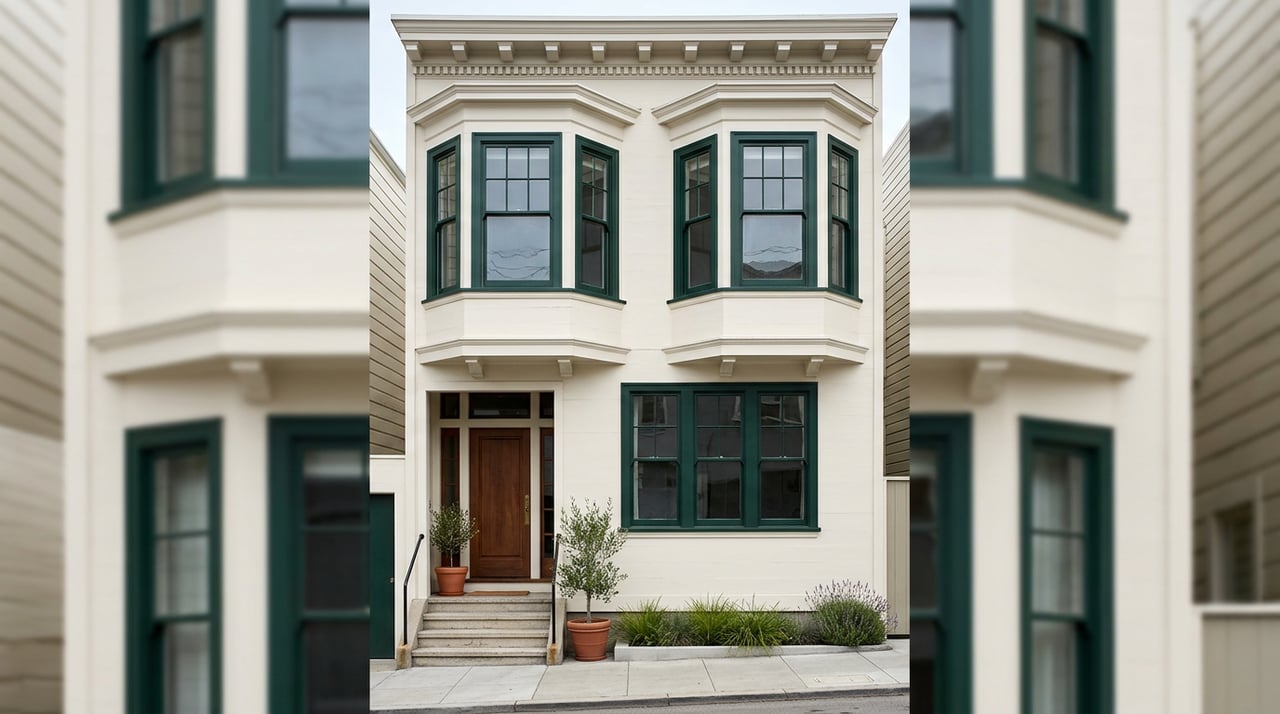
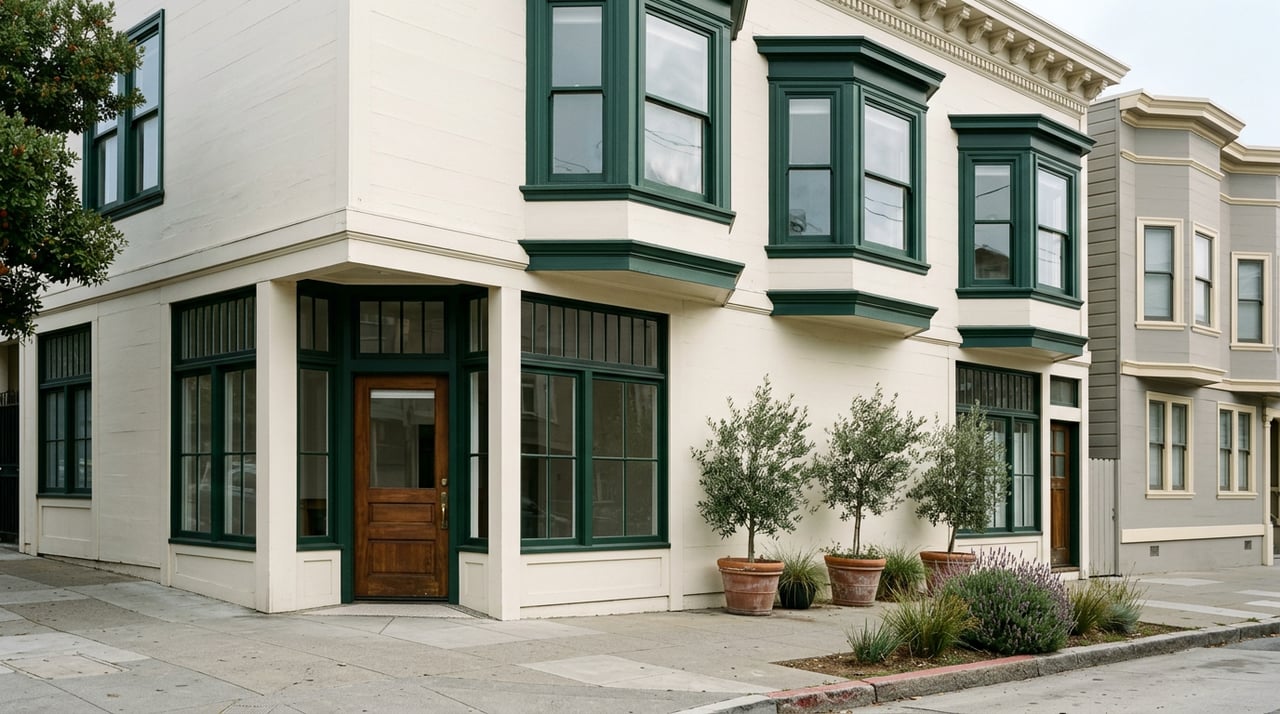
In these neighborhoods, buyers pay for original period detail. Protect the façade, bay windows, moldings, mantels, pocket doors, built‑ins, stair railings, and hardwood floors. If your home is a designated Article 10 landmark or in an Article 10 historic district, exterior changes can require a Certificate of Appropriateness. Verify status before planning exterior work.
High‑ROI, low‑risk updates
- Minor kitchen refresh: new countertops, updated cabinet fronts, modern appliances.
- Primary bath touch‑ups: new fixtures, lighting, and caulk re‑fresh to read clean and bright.
- Floors, paint, lighting: refinish hardwood, use neutral paint, and improve warm, efficient lighting.
- Systems and safety: upgrade electrical capacity where needed, and confirm water heater bracing plus smoke/CO detector compliance. Keep all permit and contractor receipts handy.
Windows and exterior details
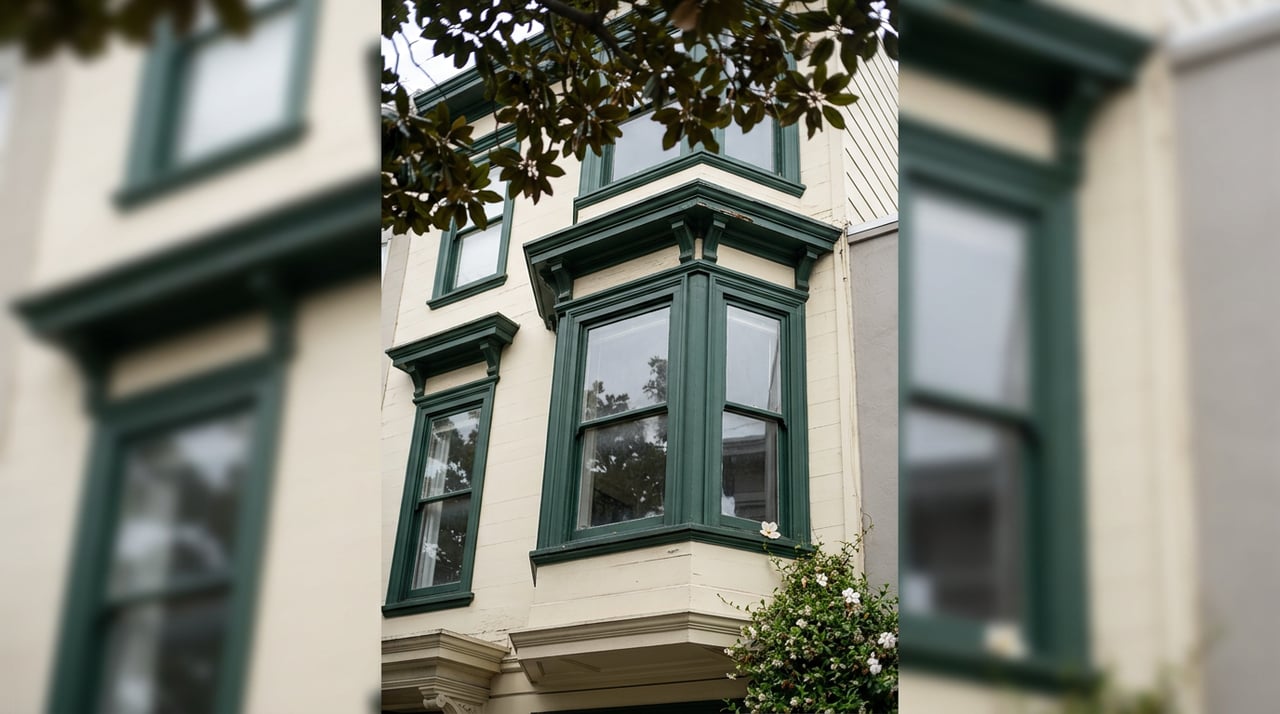
Aim to repair historic wood windows first and use weather‑stripping or storm solutions that preserve sash and trim. If replacement is unavoidable, choose in‑kind profiles and materials that respect the period. If the property is Article 10 designated, plan time for historic review before exterior window changes.
What to avoid before listing
- Gut remodels that erase distinctive rooms or trim patterns.
- Removing bay windows or mantels that anchor the Victorian look.
- Over‑customized luxury upgrades that stretch beyond local top‑of‑market comps.
Staging that highlights Victorian detail
Good staging makes buyers feel the home’s character and flow in the first five seconds. Your goal is to spotlight period features while keeping spaces bright, fresh, and easy to read in photos and on tour.
Photo and floor plan strategy
- Capture primary rooms and the façade at the best light of day. Show the bay windows, parlor, stair, and kitchen.
- If you have a view, lead with it. Include a hero view photo and a wide shot that shows how rooms connect to the outlook.
- Provide a simple, legible floor plan that orients buyers to the view and circulation.
On‑site staging choices
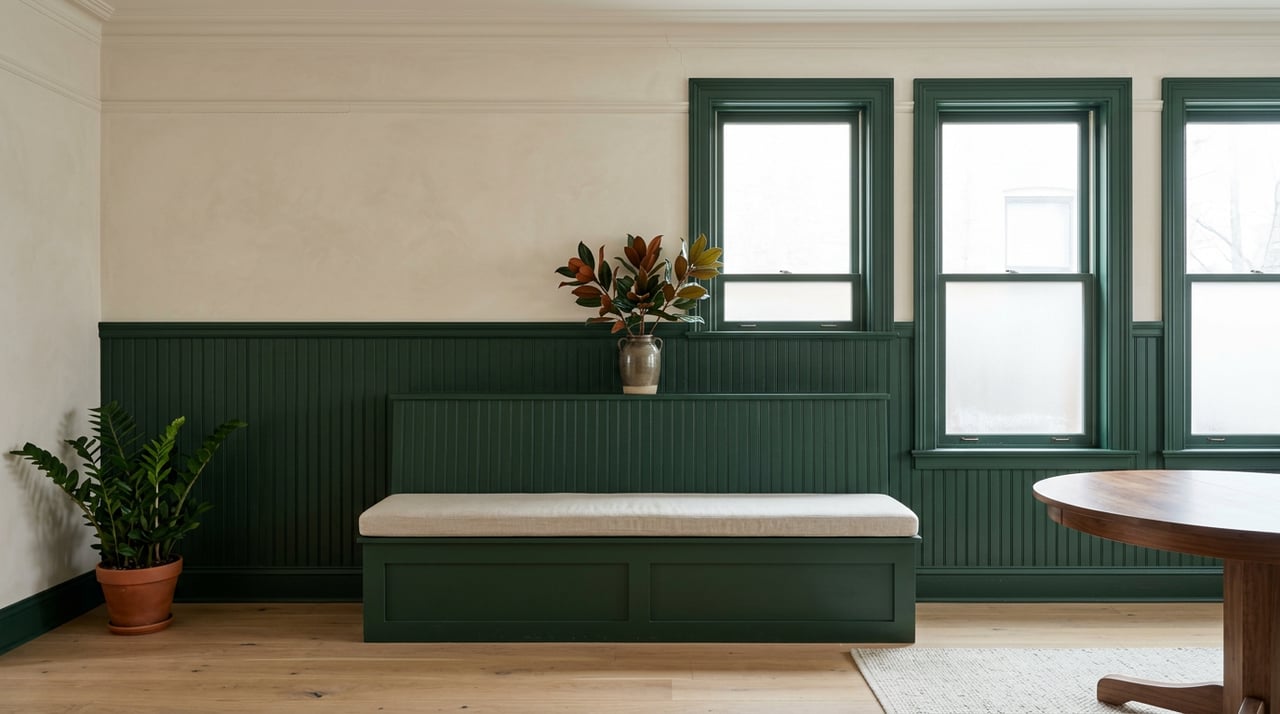
- Declutter and right‑size furniture so moldings, mantels, and built‑ins are visible.
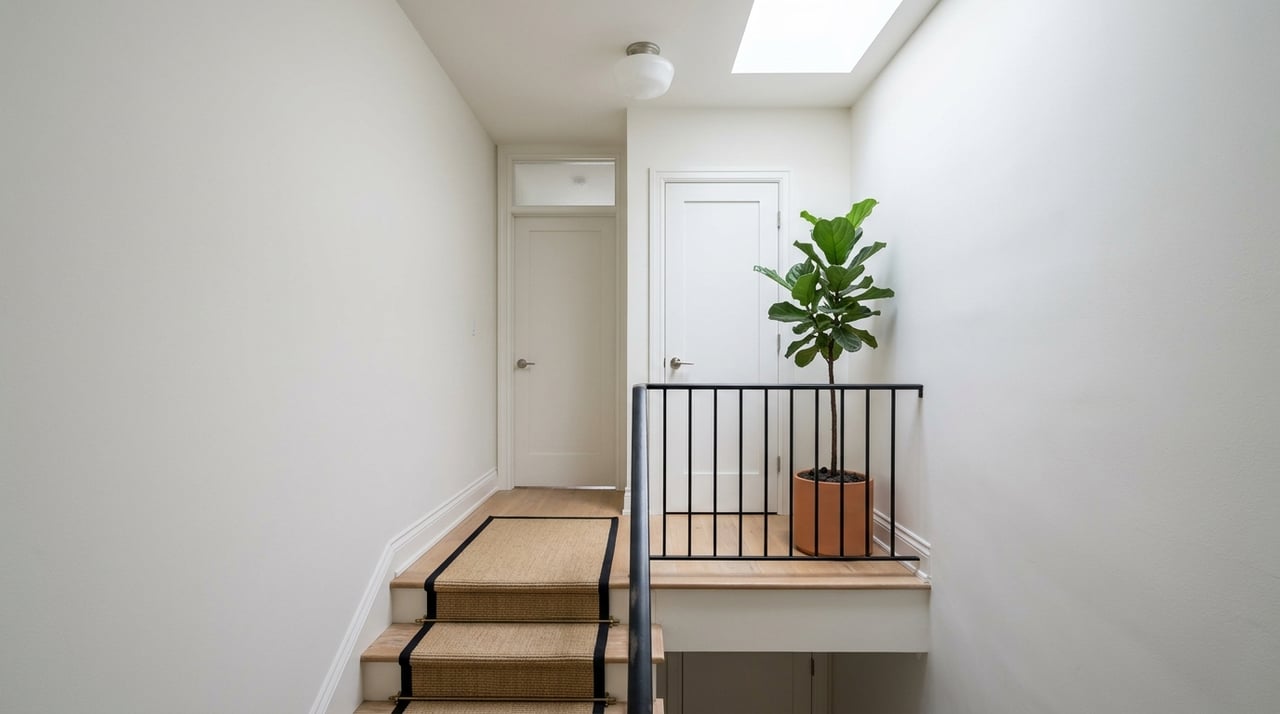
- Use neutral, period‑aware furnishings and area rugs that frame, not hide, the floors.
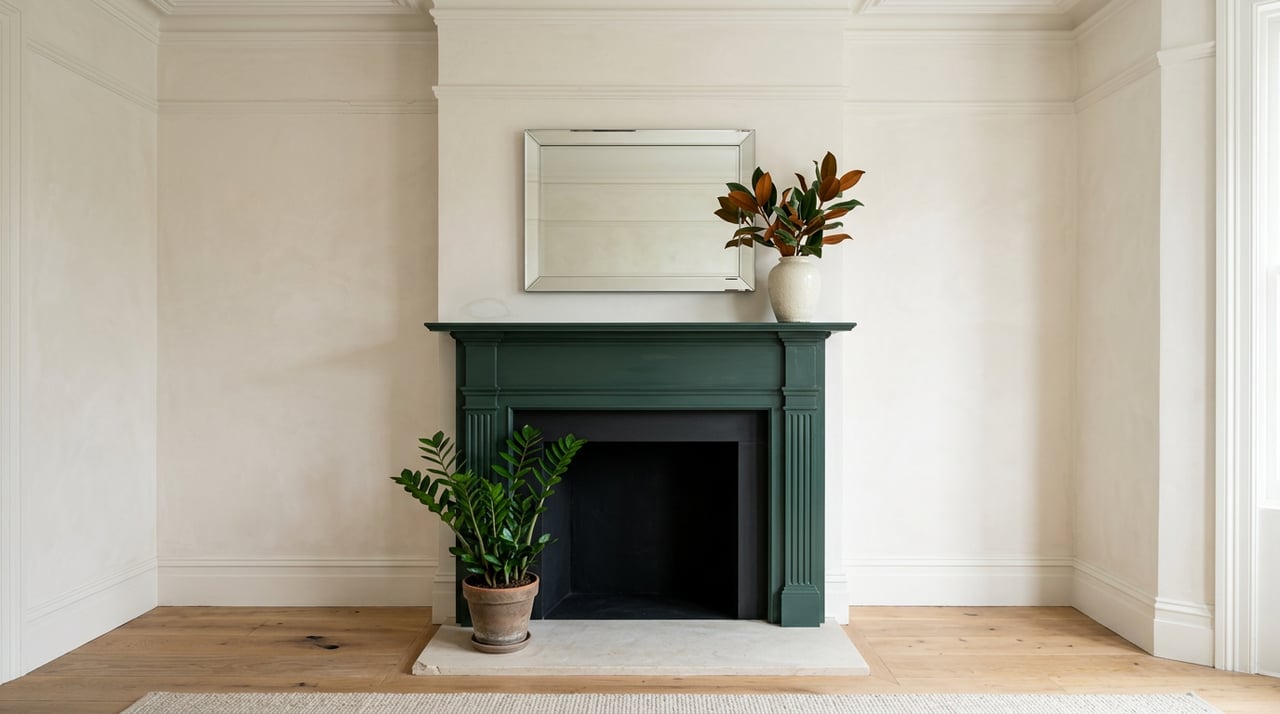
- Add warm accent lighting on mantels and open a pocket door to reveal a sightline.
- Keep window treatments simple and open to show original sash and any view.
Disclosures and inspections you will need
Clear, complete documentation removes friction and builds trust with buyers. Prepare the statutory forms early and consider pre‑listing inspections so you can fix small items and price confidently.
Required California and federal disclosures
- Transfer Disclosure Statement (TDS) for most 1–4 unit sales.
- Natural Hazard Disclosure (NHD) to report mapped hazard zones.
- Federal lead‑based paint disclosure and pamphlet for pre‑1978 homes, with the buyer’s right to a 10‑day inspection period unless waived.
- Water heater bracing and smoke/CO detector statements, plus any other standard forms used locally.
Common inspections in San Francisco
- General home inspection to identify quick fixes and larger issues.
- Wood‑destroying pests inspection and report, often ordered pre‑listing.
- Roof, foundation, and sewer scope. Private sewer‑lateral rules vary by jurisdiction, so confirm with escrow if any certification is needed.
San Francisco programs and historic review
- Article 10 historic properties can require a Certificate of Appropriateness for exterior changes. Confirm status before scheduling work.
- The city’s mandatory soft‑story retrofit program targets wood‑frame buildings with five or more residential units. Detached single‑family homes typically are not covered by this program.
Pre‑listing timeline and checklist
Use this compact schedule as a starting point. Adjust for scope and any needed permits or historic review.
- Weeks 0–2: Interview an agent experienced with character homes. Order the NHD and consider a pre‑listing home and pest inspection. Gather permit records and key receipts.
- Weeks 2–4: Complete paint, floor refinishing, and simple plumbing or electrical fixes. Confirm smoke/CO devices and water heater bracing. Book professional staging.
- Week 4: Stage, photograph, and launch with an organized disclosure packet and a clear floor plan. Lead with period detail and any view.
- During marketing and escrow: Deliver reports quickly to buyers. If issues arise, decide between repairs, credits, or pricing adjustments based on market response.
Timing note: Permit plan checks and any Certificate of Appropriateness review can add weeks. Build that lead time into your prep plan.
Putting it all together
The winning formula in Pacific Heights and Cow Hollow is simple: protect your home’s character, make targeted updates, present it beautifully, and document everything. That mix helps buyers fall in love and write strong, clean offers. If you want a step‑by‑step plan tailored to your block, view, and condition, our boutique team can help with pricing, staging, marketing, negotiation, and smooth closing.
Ready to see what your Victorian could command? Reach out to Sage Real Estate. Discover what your home is worth.
FAQs
How do views affect price in Pacific Heights and Cow Hollow?
- View quality is a major price lever. Panoramic outlooks over the Bay or Golden Gate typically command a significant premium over partial or no views, which should be validated with recent closed comps on the same view band.
What updates deliver the best ROI before selling a Victorian?
- Minor kitchen and bath refreshes, floor refinishing, neutral paint, improved lighting, and documented systems upgrades usually have the strongest buyer response compared to cost, while preserving original character.
Do I need a Certificate of Appropriateness to paint or replace windows?
- If your home is an Article 10 landmark or within an Article 10 historic district, exterior changes can require a Certificate of Appropriateness. Confirm designation status and plan review time before scheduling work.
Which inspections should I order before listing in San Francisco?
- A general home inspection, wood‑destroying pests report, and often roof, foundation, and sewer scope are common. Having them ready reduces surprises and speeds escrow.
Does the soft‑story program apply to my single‑family Victorian?
- San Francisco’s mandatory soft‑story retrofit program applies to wood‑frame buildings with five or more residential units. Detached single‑family homes are generally not subject to this program.
How should I price a Victorian without parking?
- Use direct comps on nearby blocks that also lack parking. Adjust for your home’s view, period detail, condition, and permitted upgrades to set a list price that reflects true buyer trade‑offs.