What To Know About Boutique Condo Buildings In Hayes Valley
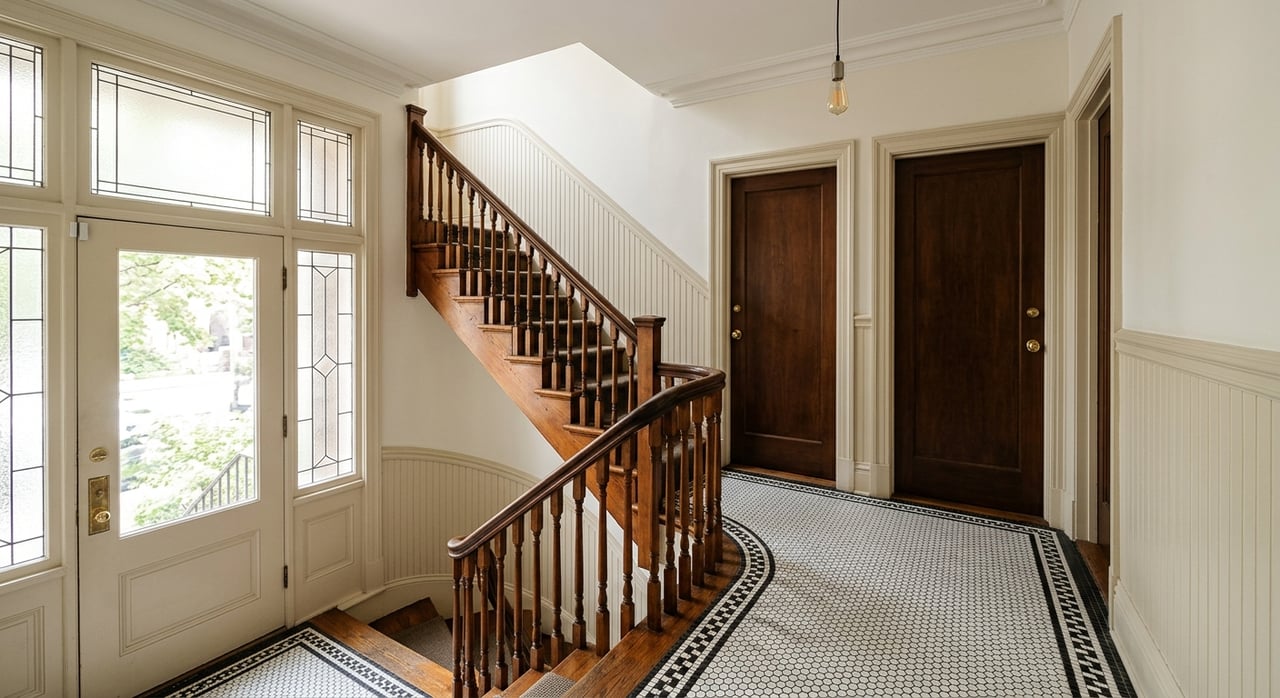
If you are condo shopping in Hayes Valley, it is easy to focus on the charm first. The streets are walkable, transit is close by, and many buildings feel more intimate than the large tower developments found in other parts of San Francisco. But with boutique condo buildings, the details behind the scenes matter just as much as the location. This guide will help you understand what makes Hayes Valley boutique condos different, what trade-offs to expect, and what to review before you make an offer. Let’s dive in.
Hayes Valley stands out because it combines city convenience with a smaller-scale urban feel. SF.gov describes the neighborhood as a shopping and dining district with more than 50 restaurants and bars, and it is also near Civic Center BART and the Van Ness Muni station.
That setting shapes the housing stock. According to San Francisco Planning’s Market and Octavia plan, the area has been guided toward transit-oriented mixed-use infill that fits the neighborhood’s existing scale and character. In practical terms, that often means boutique condo buildings in Hayes Valley are low- to mid-rise, not tower-scale.
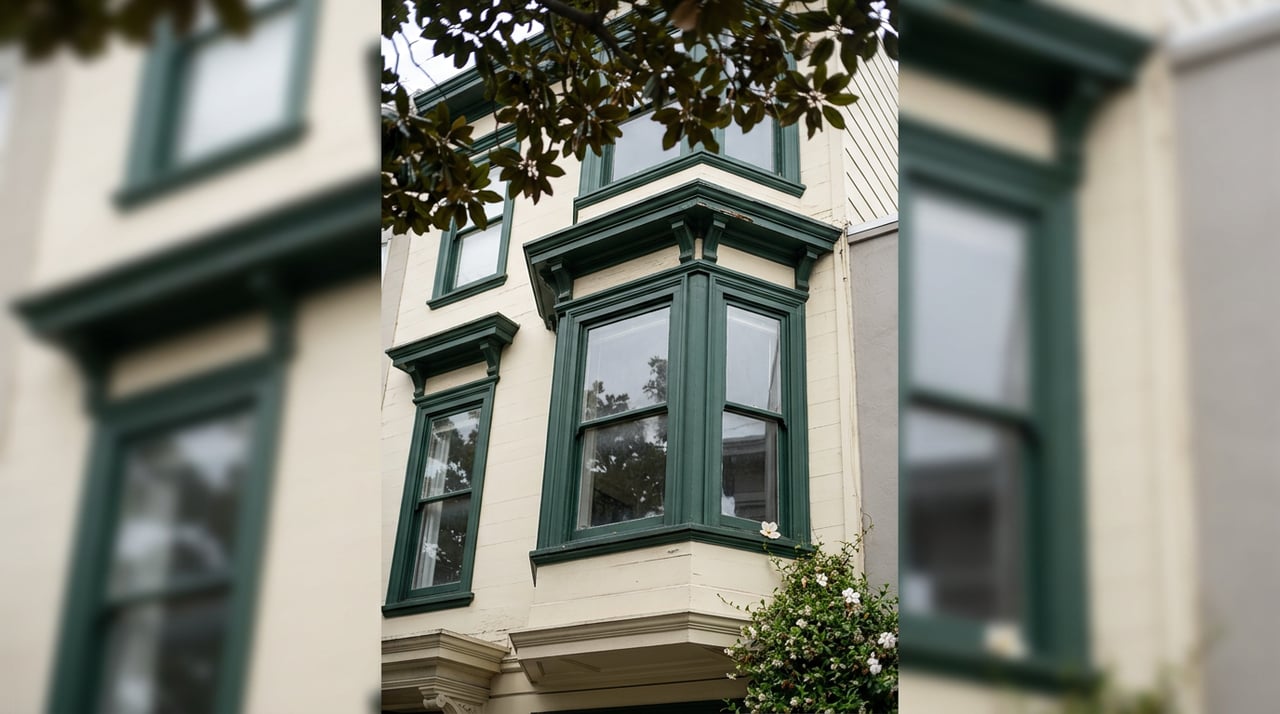
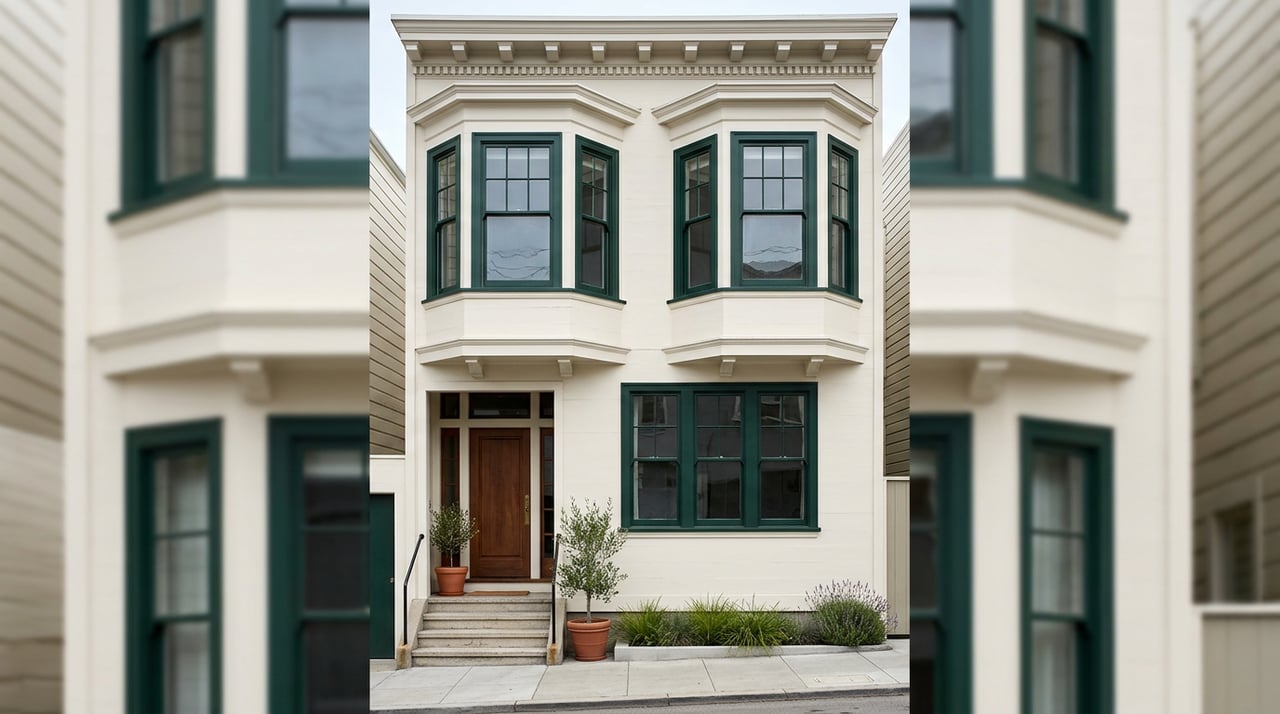
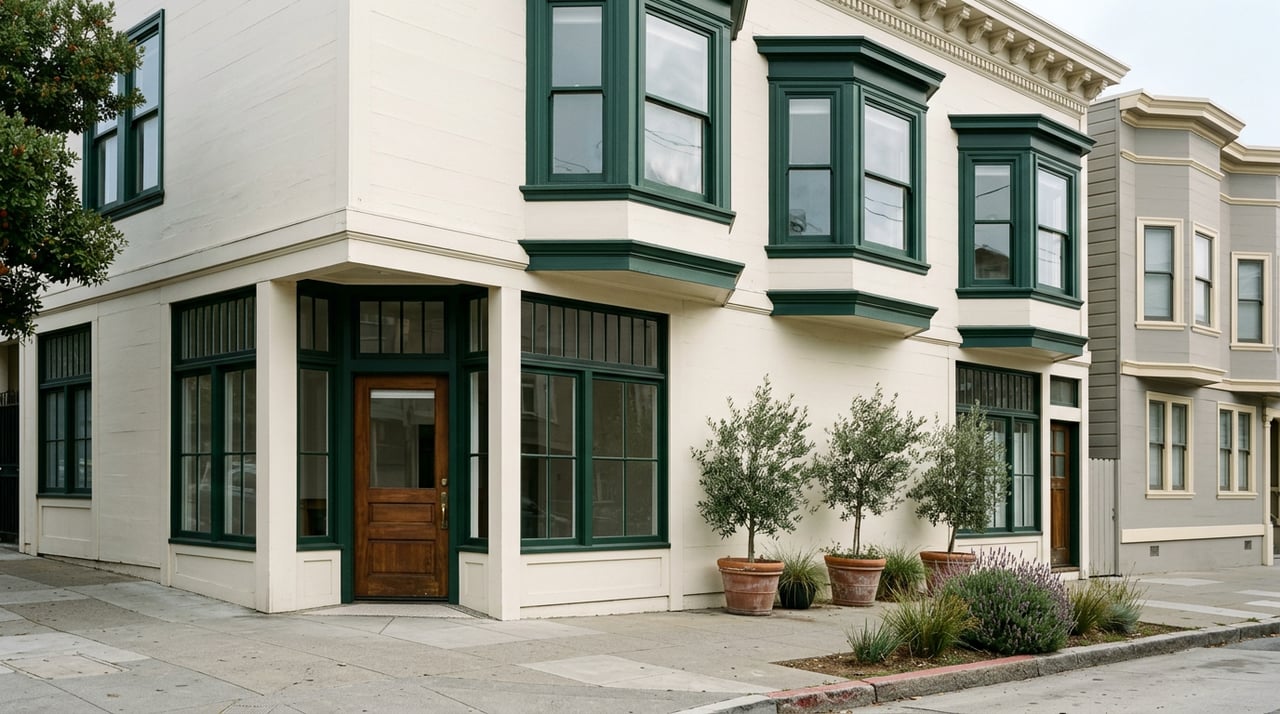
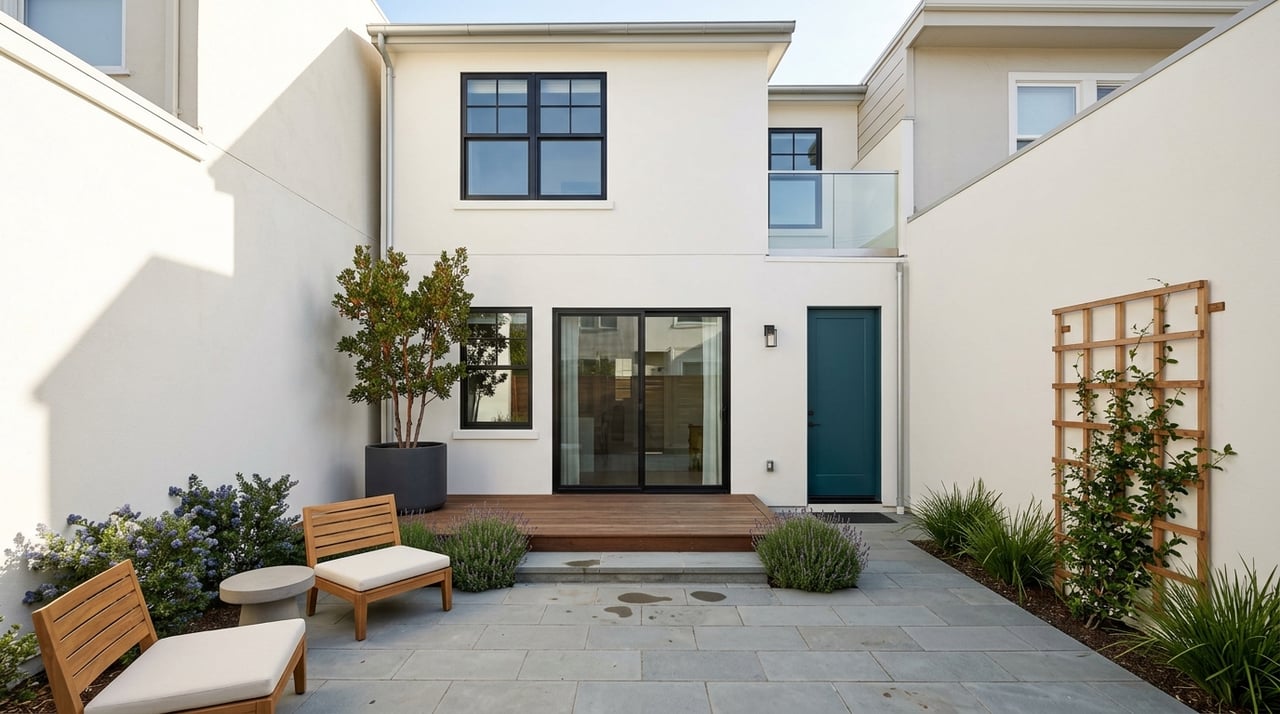
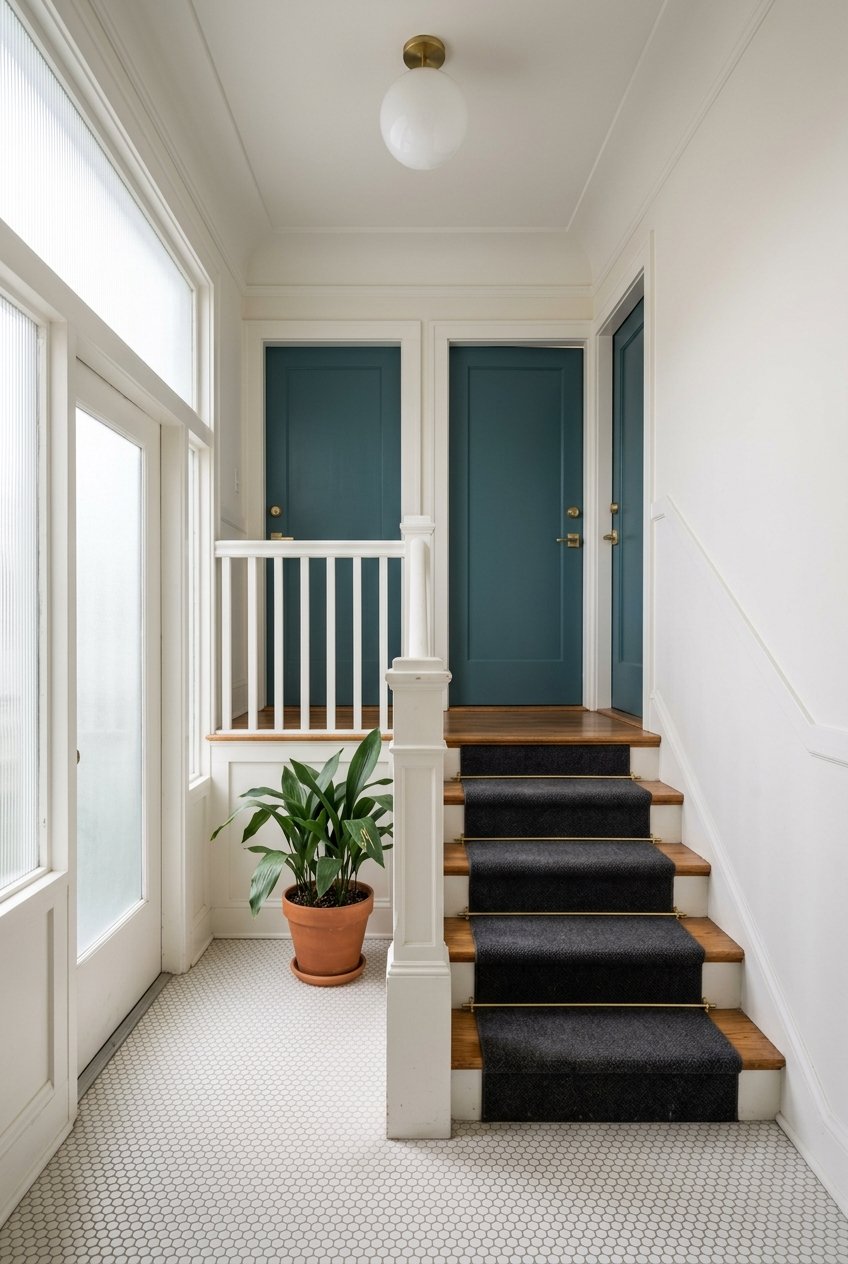
In Hayes Valley, a boutique condo building usually means a smaller building with fewer units and a more hands-on ownership experience. Historic district descriptions for the area and nearby blocks show a mix of Victorian-era flats, 1- to 3-story commercial and mixed-use buildings, and some 4- to 7-story multifamily properties.
For you as a buyer, that can translate into a building that feels more residential and integrated into the block. You may get architectural character, a more personal scale, and a location close to neighborhood shops, dining, and transit. You may also find that the building has fewer shared amenities and a simpler HOA structure than a larger condo project.
One of the biggest differences between boutique condos and larger developments is the amenity package. Smaller buildings often skip resort-style features like large gyms, staffed lobbies, or expansive common areas.
That trade-off can work well if you care more about location, layout, and neighborhood feel than building extras. In Hayes Valley, where the appeal often comes from the surrounding streets, restaurants, and transit access, many buyers are comfortable choosing a smaller HOA and simpler common spaces.
Still, fewer amenities does not always mean fewer responsibilities. Even a small HOA still has to plan for major components like the roof, exterior surfaces, waterproofing, and other shared building systems.
When you buy a condo in California, you automatically become part of the homeowners association. The California Department of Real Estate explains that an HOA is commonly a nonprofit mutual benefit corporation run by a board of directors.
That matters because your monthly cost is not just your mortgage, taxes, and insurance. HOA dues and any special assessments can significantly affect what the home really costs you each month. In a boutique building, where there are fewer owners sharing expenses, each owner’s share of major repairs can carry more weight.
A low HOA fee can look attractive at first glance. But it is not automatically a bargain.
The California DRE warns that underfunded HOAs may delay maintenance on roofs, paint, and other common areas, then rely on special assessments to cover the gap. In some cases, those assessments can run into the tens of thousands of dollars.
That is why it helps to think in terms of total ownership cost, not just the list price and monthly dues. A slightly higher HOA in a well-run building may be easier to budget for than low dues paired with deferred maintenance and surprise costs.
Reserve planning is one of the most important things to verify in a boutique condo building. The DRE’s reserve-study guide notes that reserve planning supports long-term property values and also points out that smaller, self-managed associations are especially prone to missing key component and funding details.
California law requires a reserve study visual inspection at least once every three years, an annual review, and a reserve funding plan for major components with less than 30 years of remaining life. The annual budget report must also include a reserve summary based on the most recent reserve study, according to the California Civil Code.
If you are looking at a Hayes Valley condo, this is one of the clearest windows into the building’s financial health. A strong reserve position can help support maintenance, resale confidence, and smoother ownership over time.
There is another inspection requirement that buyers should not overlook. California law requires condominium projects to complete an exterior elevated element inspection at least once every nine years for certain load-bearing elements, including balconies, decks, stairways, and walkways that sit more than six feet above the ground when supported in whole or substantial part by wood-based products.
The first inspection cycle was due by January 1, 2025, and written reports must be retained for two inspection cycles under the same California Civil Code requirements. In a neighborhood with many smaller and older buildings, this can be especially important to review during due diligence.
Boutique condo purchases usually call for more document review, not less. The smaller the HOA, the more important it is to understand how the building is run.
Under California disclosure rules, key items to review can include:
If the condo is in new construction, the DRE public report is also important. If the unit has been remodeled, ask your agent to help review permits and related city documentation.
Before you write an offer, it helps to get clear answers to a few practical questions. These can reveal a lot about how stable and predictable ownership may feel after closing.
Ask questions like these:
These are not minor details. In a small building, even one unresolved repair issue or one major upcoming project can have a meaningful impact on cost and future flexibility.
Hayes Valley has a lot working in its favor from a resale standpoint. Walkability, dining, and access to transit can help support buyer demand. In a neighborhood like this, a boutique condo can appeal to people who want a more neighborhood-scaled alternative to a larger development.
At the same time, buyers and lenders tend to look closely at HOA health. The DRE notes that reserve planning gives buyers, lenders, and owners a clearer picture of an association’s financial strength and market value. If a building has weak reserves, recurring assessments, or unresolved maintenance concerns, that can narrow the buyer pool faster.
Financing can matter here too. California law references note that FHA or VA project approval can improve refinance, secondary-financing, and buyer-pool options for condominium projects. Even if you are not using one of those loan types now, future buyers may care.
If you want a quick way to evaluate a boutique condo building, start here:
This kind of review can help you separate a charming building from a well-run one. Ideally, you want both.
Boutique condo buildings are rarely one-size-fits-all, especially in San Francisco. Building age, layout, HOA structure, and maintenance history can vary widely from one block to the next.
That is where neighborhood-specific guidance matters. When you work with a team that understands San Francisco condos, small HOAs, and the details that shape resale and ownership costs, you can move forward with more clarity and fewer surprises.
If you are considering a condo in Hayes Valley and want help evaluating the building, documents, and long-term fit, connect with Sage Real Estate. You will get practical guidance grounded in San Francisco experience and a steady process from search to close.
Stay up to date on the latest real estate trends.
You’ve got questions and we can’t wait to answer them.