Smart Pre-Listing Updates For Homes In District 5 – Central
Wondering which updates are actually worth doing before you list your District 5 Central home? In a high-value San Francisco market, it is easy to overspend on prep that does not meaningfully improve how your home shows. The good news is that a smart, focused plan can help your home feel cleaner, brighter, and more move-in ready without dragging you into a long renovation. Let’s break down the pre-listing updates that tend to matter most.
In San Francisco, presentation carries real weight. The latest Census Bureau QuickFacts profile puts the city’s median owner-occupied housing value at $1,394,500, which means condition and first impressions can have an outsized effect on how buyers respond.
Buyer expectations have also tightened. NAR’s 2025 Remodeling Impact Report found that 46% of buyers are less willing to compromise on a home’s condition, which supports a strategy centered on visible, practical improvements rather than major construction.
That does not mean you need a full remodel. In fact, the same body of research points more strongly to decluttering, cleaning, staging, and curb appeal than to large, expensive projects. For many sellers in 94102 and District 5 Central, the best return comes from making the home look well cared for and easy to picture living in.
Before you price out paint colors or new fixtures, focus on the fundamentals. NAR reports that the most common pre-listing recommendations from agents are decluttering, cleaning the entire home, and improving curb appeal.
These steps matter because they improve every room at once. They also help your agent and any vendors see the home clearly, so you can decide what really needs attention and what can be left alone.
A smart first-pass checklist usually includes:
Fresh paint is one of the safest and most effective pre-listing updates. NAR’s remodeling report says painting the entire home or even one room is among the most commonly recommended projects before selling.
If your walls show wear, scuffs, patch marks, or strong personal colors, paint can quickly make the space feel cleaner and more current. In San Francisco homes with older trim, varied light conditions, or layered finishes from past updates, this can make a noticeable difference in photos and showings.
For planning purposes, one room may take 1 to 2 days, while a whole-home touch-up or repaint may take 3 to 7 days depending on prep and drying time. If your home was built before 1979, lead-safe work should be part of the conversation before sanding or scraping begins.
San Francisco says painting, papering, and minor interior plaster or wallboard repairs generally do not require a permit. That can make cosmetic paint work a relatively straightforward pre-listing project.
But older homes need extra care. The City says buildings built before 1979 are presumed to contain lead paint unless a certified inspector shows otherwise, so dust-producing work should be coordinated with contractors who understand local lead-safe requirements.
Floors have a big effect on first impression. Even if the rest of the home is in decent shape, scratched wood, stained surfaces, or mismatched materials can make the space feel dated.
NAR’s 2025 Remodeling Impact Report ranked new wood flooring among stronger joy-score projects, which is one reason floor condition is worth evaluating before listing. If the floors are generally good, refinishing may be enough. If the materials are heavily worn or inconsistent, selective replacement may be worth discussing.
A typical planning estimate is 2 to 5 days for refinishing or 3 to 7 days for replacement plus cure or dry time. As with paint, this is the kind of work that should happen before the final clean, staging, and photography.
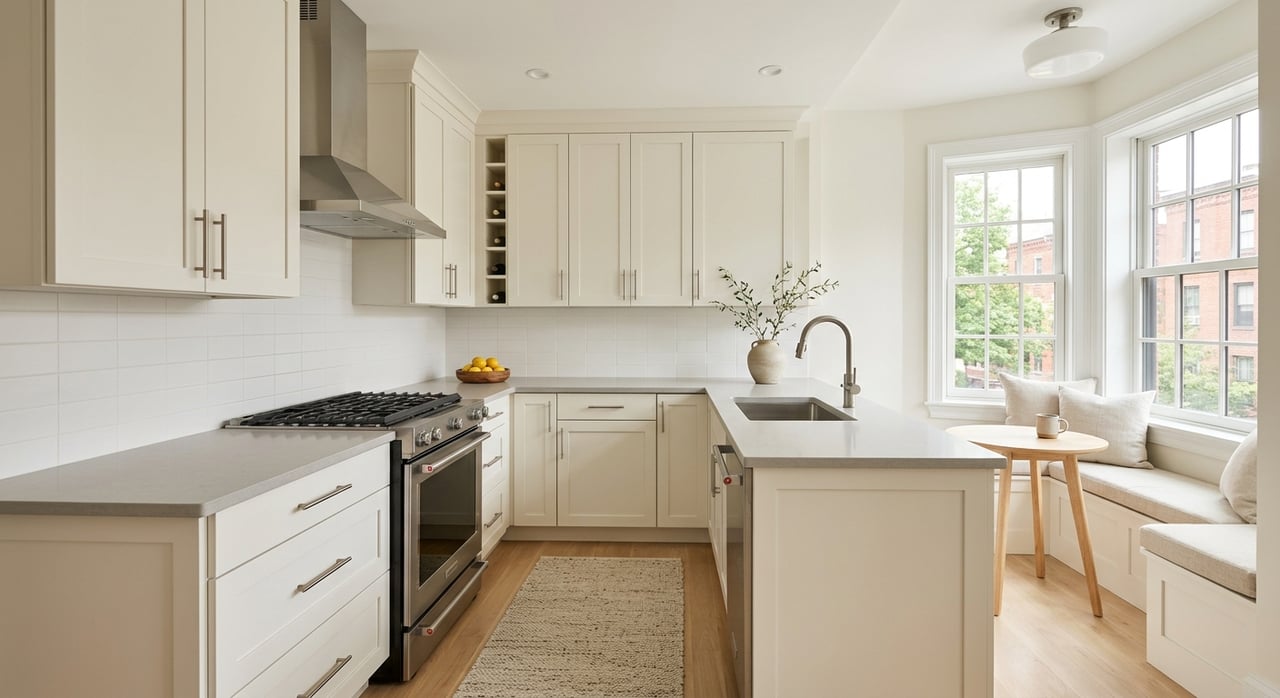
Kitchens draw attention, but that does not mean you should take on a full renovation before listing. NAR gave a kitchen upgrade a perfect joy score and estimated 60% cost recovery for a minor kitchen upgrade, which supports a lighter-touch approach.
In practical terms, that often means focusing on cosmetic improvements that help the kitchen read as clean and functional. Think refreshed paint, hardware, lighting, touch-up work, and thorough cleaning rather than reworking the entire space.
If you keep the scope limited and choose materials quickly, a minor kitchen refresh may take 1 to 3 weeks as a planning estimate. The key is to improve how the room presents without creating permit delays or supply-chain issues.
San Francisco says a kitchen or bath renovation generally requires a permit before replacing fixtures. The City also notes that interior projects that change the layout, alter the floor plan, or remove walls need plans.
That is one reason pre-listing prep should stay focused. Once a project starts moving into layout changes or fixture replacement, your timeline can become much less predictable.
Curb appeal still matters, even in dense urban neighborhoods. NAR found that 77% of agents recommended improving curb appeal before listing, making it one of the most common seller-prep steps.
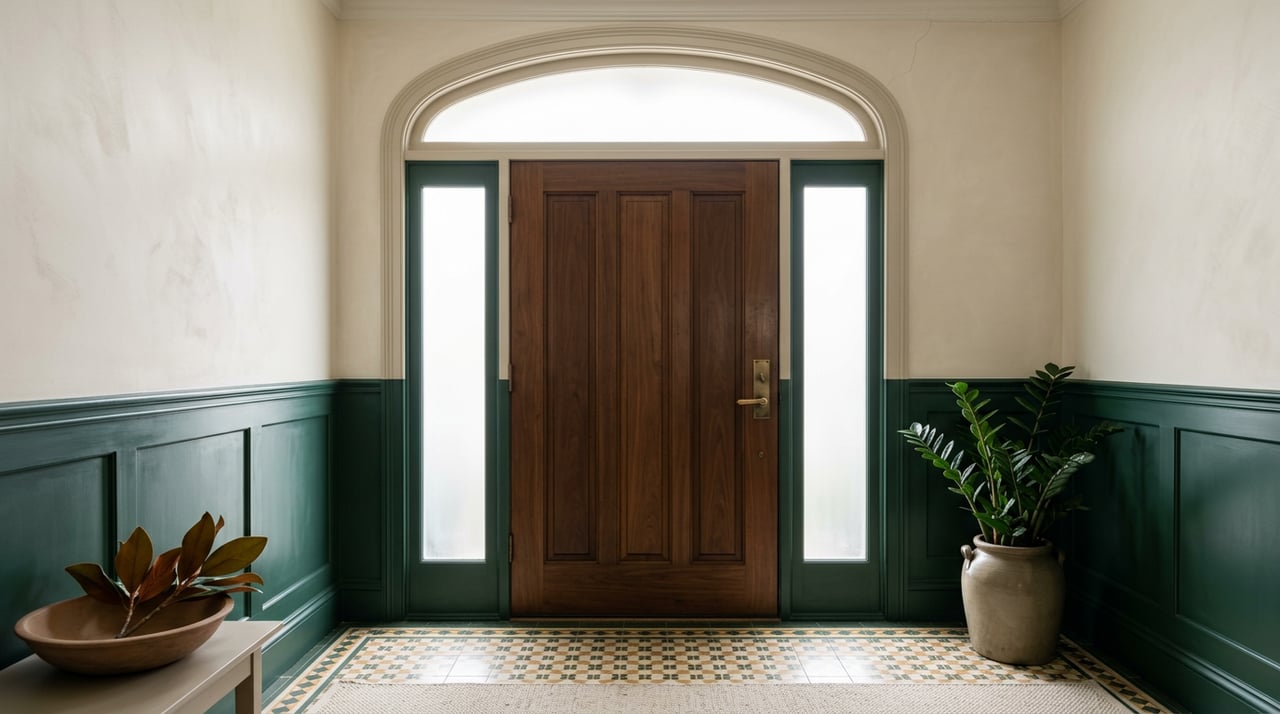
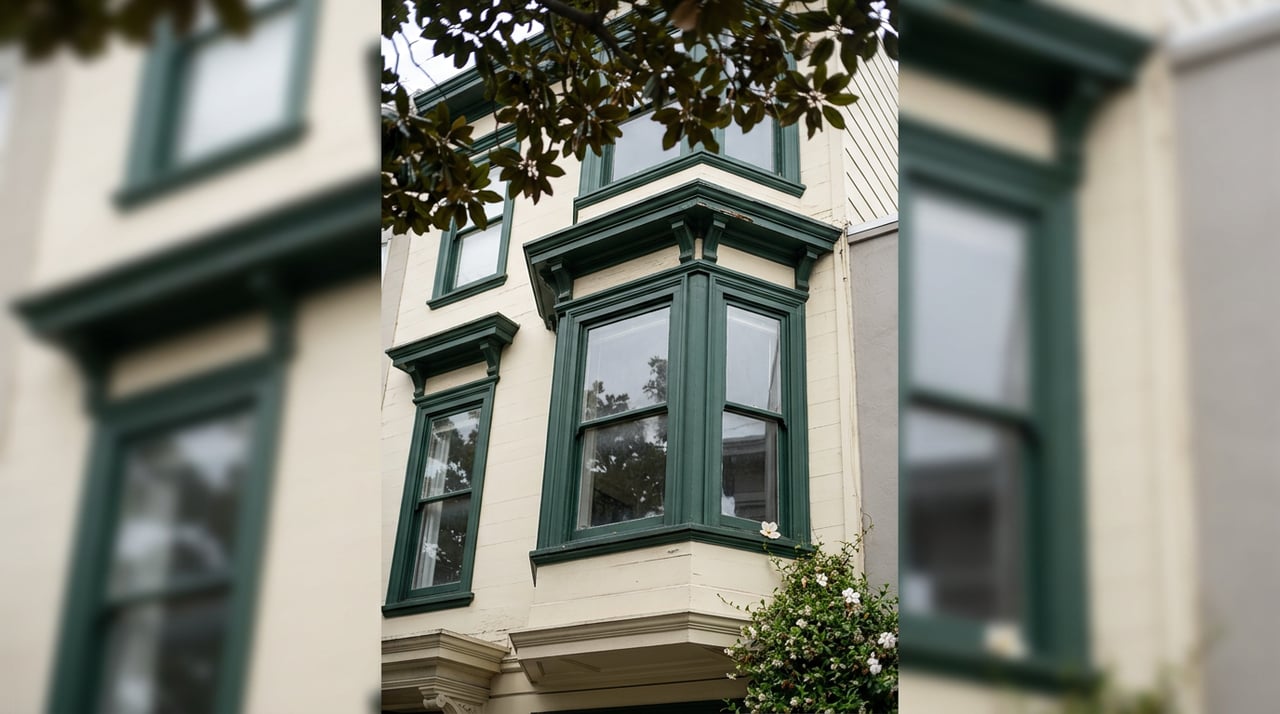
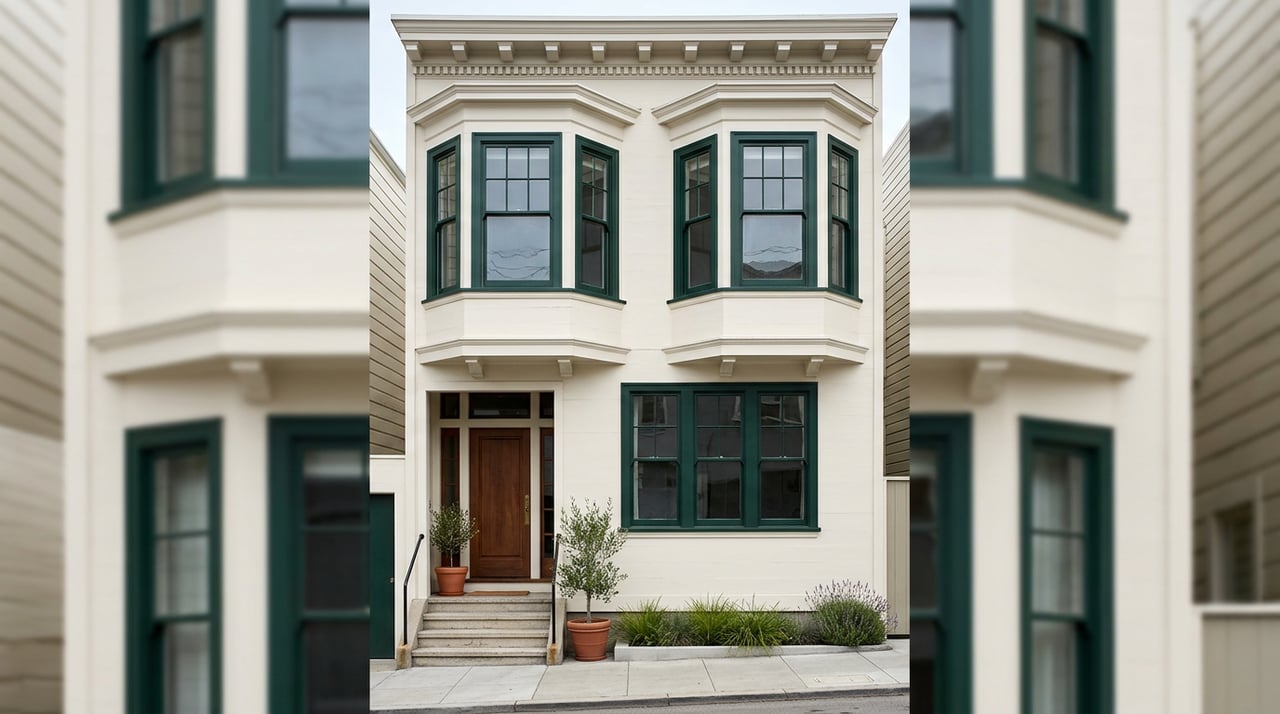
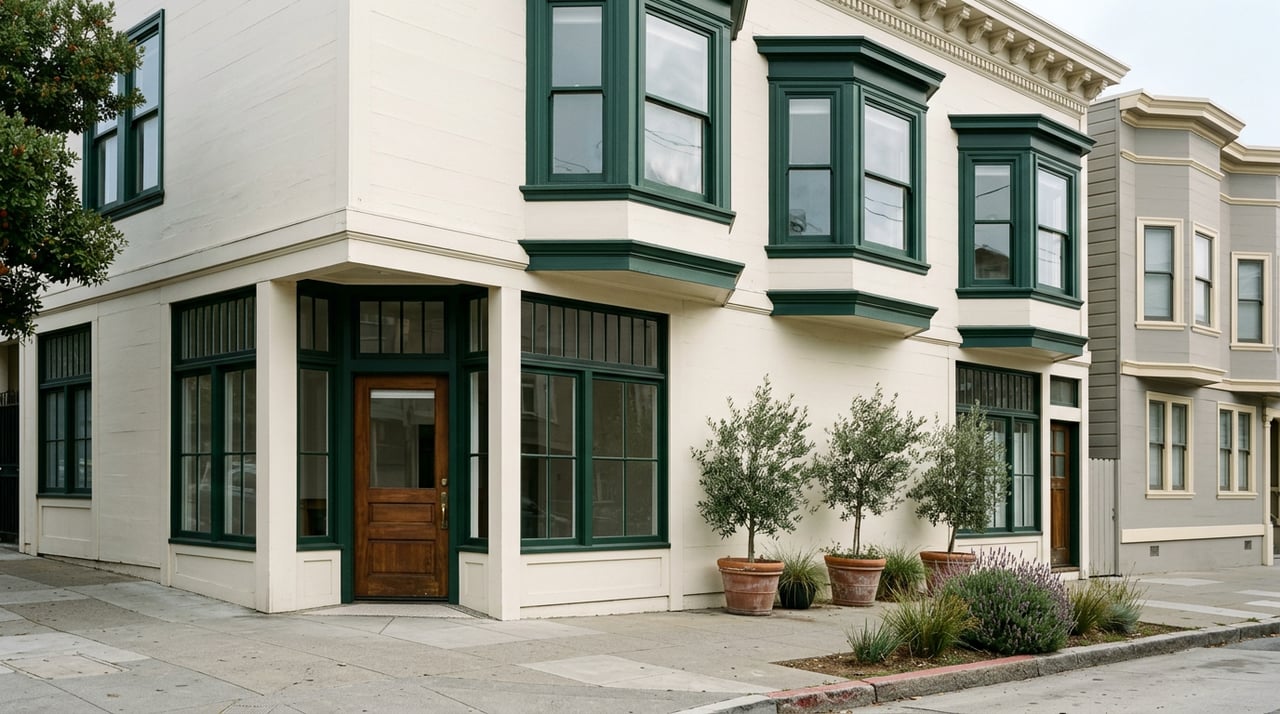
For District 5 Central homes, that usually means simple improvements rather than a full exterior overhaul. A clean entry, trimmed plantings, washed surfaces, and a refreshed front door can help the home feel more inviting from the start.
Good curb appeal tasks often include:
Most of this can be done in half a day to 2 days. It is often one of the fastest ways to improve first impression.
If your budget is limited, not every room needs the same level of attention. NAR’s staging research points to the living room, primary bedroom, and kitchen as especially important rooms to prioritize.
That gives sellers a useful decision filter. If you can only invest in a few spaces, start where buyers are most likely to pause, compare, and form an opinion about overall condition.
This can also help you stage more efficiently. Strong presentation in the main living spaces often does more for the home’s overall feel than spreading smaller improvements across every corner.
The best pre-listing work usually improves appearance quickly and predictably. Major reconstruction often does the opposite.
In most cases, full kitchen or bath reconfigurations, wall removal, and other large-scope jobs are better deferred unless there is a clear defect or safety issue to solve. These projects can introduce permit requirements, dust, delays, and the need to re-clean and re-stage the home.
A useful rule is simple: stop once the home feels clean, bright, and well maintained. If a project starts to feel permit-heavy, structurally invasive, or open-ended, it is time to pause and reassess.
Sequence matters almost as much as scope. The most efficient pre-listing plan is one that avoids rework and keeps the home moving toward market readiness.
A practical order usually looks like this:
This order aligns with NAR findings on what buyers’ agents value most. Photos were rated highly important by 73% of buyers’ agents, followed by traditional physical staging, videos, and virtual tours. In other words, your marketing assets work best when the home is fully settled and show-ready.
Staging is not just a finishing touch. NAR’s 2025 Profile of Home Staging found that 83% of buyers’ agents said staging makes it easier for buyers to visualize a property as a future home.
The same research found that 29% of sellers’ agents said staging increased dollar value offered by 1% to 10%, while 49% said it reduced time on market. For sellers who want to stay disciplined on budget, that makes staging one of the more defensible investments after cosmetic work is complete.
NAR also reported that the median cost for a professional staging service was $1,500, compared with $500 when the seller’s agent handled staging themselves. The right choice depends on the home, the level of vacant space, and your overall listing strategy.
For many sellers in District 5 Central, the goal is not to make the home brand new. It is to make the home feel cared for, functional, and easy to understand the moment buyers walk in.
That usually means choosing light updates with high visual impact, staying alert to San Francisco permit and lead-safe rules, and keeping your timeline tight. In a market where buyers are paying attention to condition, the homes that feel polished without feeling overworked often have the strongest showing momentum.
If you are thinking about selling, a neighborhood-specific prep plan can help you spend where it counts and avoid the projects that do not. For tailored guidance on timing, staging, and smart pre-listing strategy in San Francisco, connect with Sage Real Estate.
Stay up to date on the latest real estate trends.



You’ve got questions and we can’t wait to answer them.