Preparing A District 6 Condo To Stand Out This Season
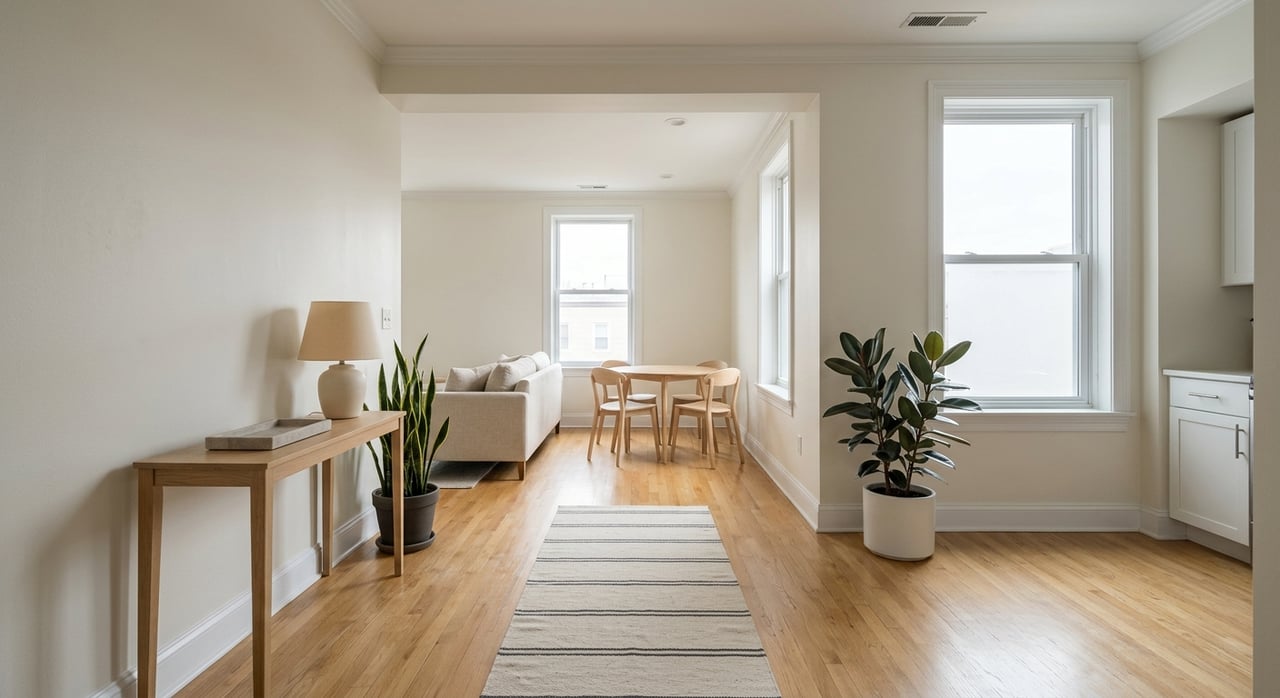
If you want your District 6 condo to stand out this season, the goal is not to out-renovate every other listing. It is to make your home feel clean, easy to buy, and easy to understand from the first photo to the final disclosure. In 94102, where buyers are often comparing multiple urban condos at once, small presentation upgrades and organized paperwork can make a real difference. Let’s dive in.
In 94102, condo buyers are active, but they are also selective. Redfin’s current condo snapshot shows 26 condos for sale at a median listing price of $526,000, with condos typically spending 35 days on market and receiving about one offer.
That slower condo pace sits alongside a broader 94102 market that can move faster. Redfin’s broader snapshot shows a 19-day median time on market and a 102.6% sale-to-list ratio, which suggests that well-positioned homes can still attract strong attention.
Spring is the key seasonal window to prepare for. Research points to late March through May as the most important listing period in the San Francisco area, so if you want to capture that surge, your condo should be launch-ready before buyers flood the market.
For most District 6 condos, the best prep plan is simple. Spend first on visible, neutral, lower-cost fixes that make the home feel move-in ready rather than starting a major remodel.
Industry staging research backs that up. The most common recommendations are decluttering, full-home cleaning, minor repairs, paint touch-ups, and carpet cleaning, which all support the same basic idea: buyers respond to homes that look cared for and easy to step into.
Before you do anything expensive, handle the details buyers notice right away. In a condo, that often means how the unit reads online and how it feels within the first few minutes of a showing.
Prioritize:
These updates do not change the floor plan, but they can reduce friction for buyers. In a market where people compare condition quickly, that matters.
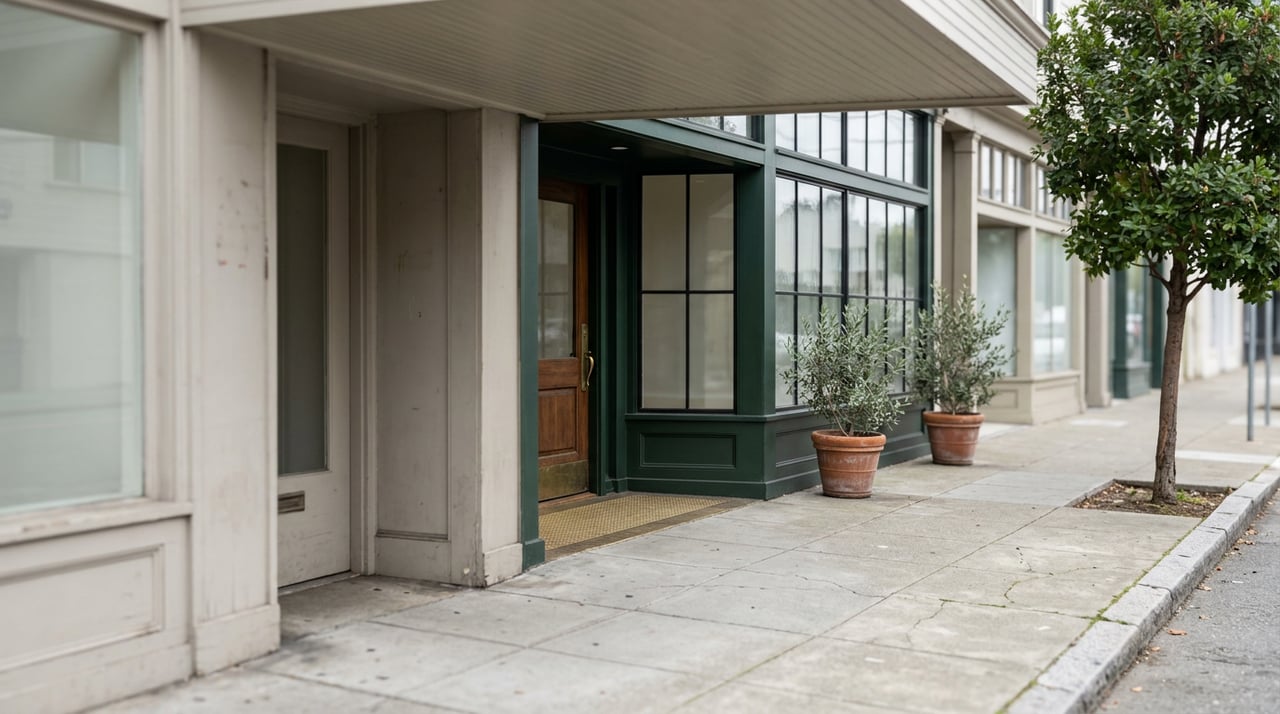
A condo does not have a front yard, but it still has a first impression. What buyers see first, both in person and in photos, helps shape how they judge the rest of the home.
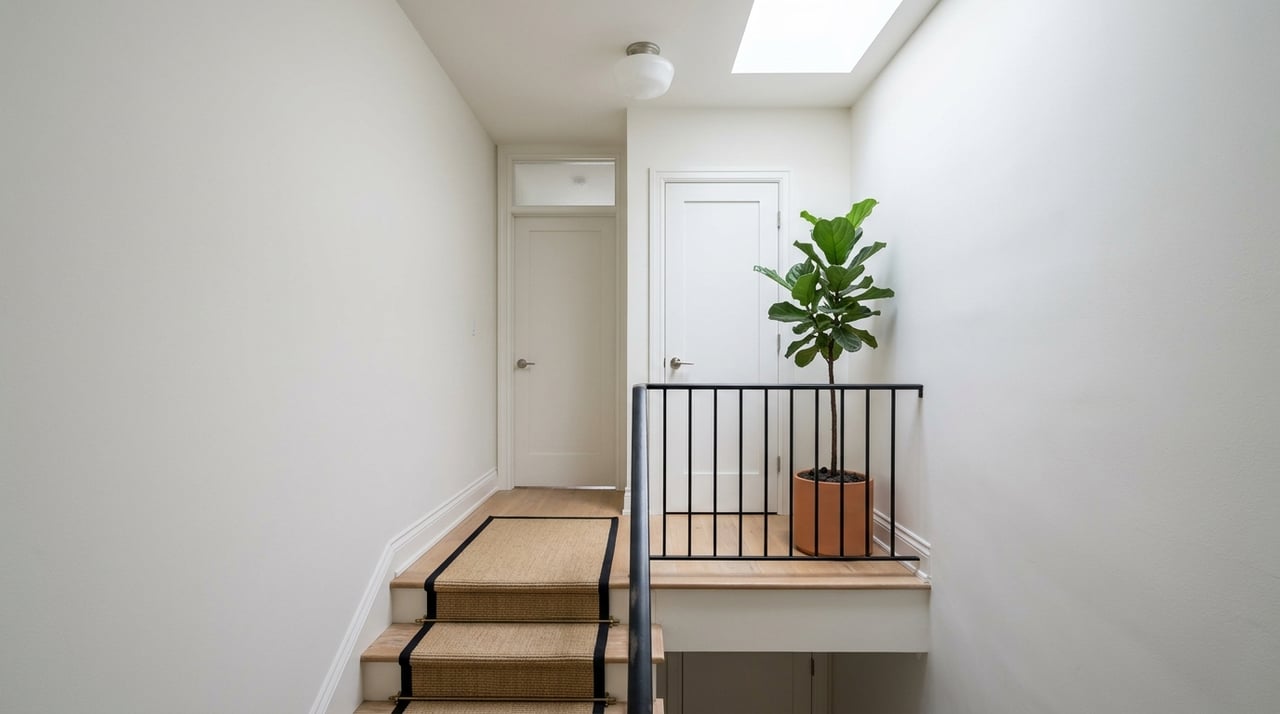
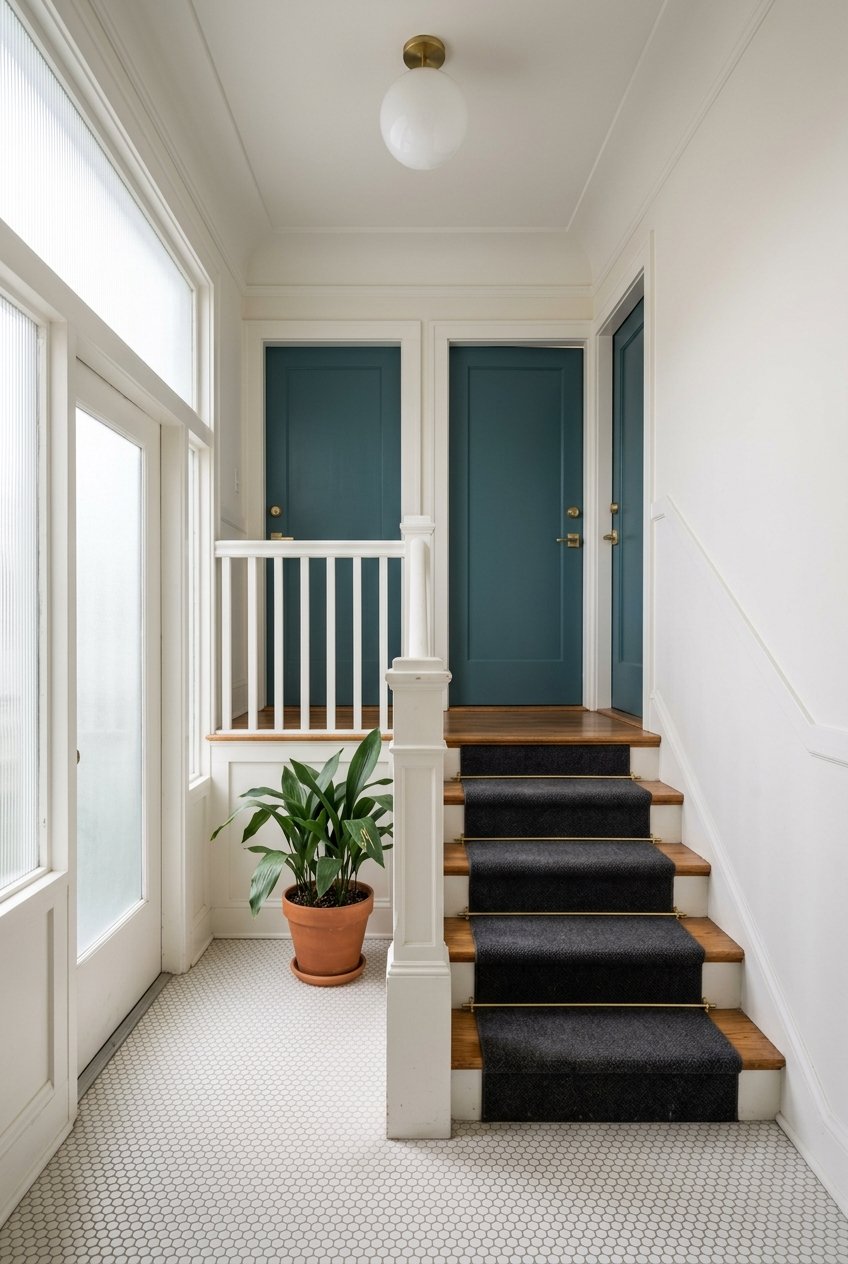
For a District 6 condo, think of curb appeal as the building entry, the hallway approach, the front door, the balcony if you have one, and the first camera angles used in marketing. Clean sightlines, tidy surfaces, and a welcoming entry sequence can make the home feel more polished from the start.
Staging works best as a presentation tool, not a magic fix. According to the 2025 NAR staging survey, 19% of sellers’ agents saw a 1% to 5% increase in the dollar value offered from staging, and 30% saw a slight reduction in time on market.
That does not mean every room needs a full redesign. It means your condo should photograph well, feel scaled correctly, and help buyers understand how the space lives.
For most condos, the main living area and primary bedroom deserve the most attention. Those spaces do the heavy lifting in photos, videos, and showings.
If your condo is occupied, partial staging may be enough. If it is vacant or sparse, adding furnishings to the key living spaces can help buyers read the layout more clearly.
The same staging survey found that photos were the most important listing asset, followed by videos and then traditional physical staging. That is especially relevant in 94102, where buyers often screen options quickly online before deciding what to tour.
Your prep work should support that first digital impression. Bright, clean rooms, edited surfaces, and a layout that feels open on camera can help your condo stand out before a buyer even steps inside.
In a highly walkable zip code with a Walk Score of 99, buyers are often drawn to convenience. But once they start comparing actual condos, they tend to focus on condition, layout, light, storage, HOA costs, and how easy the unit seems to purchase.
That means your condo does not need to feel flashy. It needs to feel low-friction.
A well-prepared condo tells a simple story: this home has been maintained, it shows well, and the seller is organized. That kind of clarity can be more persuasive than expensive finishes that do not change the fundamentals.
As you prepare your listing, ask yourself:
If the answer is yes, you are already doing much of what helps a condo stand out in this market.
In San Francisco condo sales, presentation is only half the job. The other half is making sure your documents are complete and ready early.
Buyers notice uncertainty fast. If key records are missing, delayed, or unclear, even an attractive condo can feel harder to buy.
If you have done past work to the unit, or if there have been prior leak issues, alterations, or questions about the building, it is smart to review permit history before going live. The San Francisco Department of Building Inspection maintains records related to permits, plans, applications, and complaints.
Checking this early can help you identify issues before a buyer does. It can also give you time to clarify records or prepare a cleaner explanation if questions come up during escrow.
California condo sales require a substantial HOA disclosure package. Under Civil Code 4525, sellers of a separate interest must provide governing documents, recent association documents, current regular and special assessments, unpaid assessments and fines, unresolved violation notices, approved fee changes that are not yet due, rental restrictions, requested board minutes from the past 12 months, and the most recent inspection report required by Section 5551.
Because these requirements are detailed, delays in collecting the HOA package can slow your launch. Ordering documents early gives you time to review them, understand what buyers will see, and address questions before your home hits the market.
Natural Hazard Disclosure is separate from the HOA packet. Under California Civil Code 1103, sellers must disclose whether the property is in certain mapped hazard areas, including earthquake fault zones and seismic hazard zones where applicable.
This is another reason to get organized before your listing goes live. When the hazard report, HOA packet, and permit history are ready upfront, your sale can feel more straightforward to buyers.
A pre-list inspection is not required in every sale, but it can be a useful planning tool. According to NAR’s consumer guidance, some sellers order one to understand condition upfront, prepare for buyer questions, and gain more control over repairs.
That can be especially helpful if your condo has older systems, visible wear, or any issue that could create uncertainty. In competitive conditions, buyers may move quickly, and fewer surprises can make your transaction smoother.
The point of a pre-list inspection is not to fix everything. It is to understand what you are selling and decide what is worth addressing before market.
In many District 6 condos, the right move is to repair the smaller visible items, disclose clearly, and avoid over-improving. That keeps your budget focused on what actually helps buyers say yes.
If you want a practical path forward, keep it simple and disciplined. In 94102, the strongest strategy is usually to present your condo as visually clean, well-documented, and easy to buy.
Here is a smart order of operations:
This kind of prep does not require turning your condo into something it is not. It requires making the most of what buyers in District 6 already care about.
If you are preparing to sell in 94102, a local, process-driven plan can help you focus your budget, avoid delays, and bring your condo to market with confidence. When you are ready for tailored guidance on staging, pricing, marketing, and disclosure prep, connect with Sage Real Estate.
Stay up to date on the latest real estate trends.

You’ve got questions and we can’t wait to answer them.