TICs And Small Buildings In District 6 Explained

Buying in San Francisco can feel straightforward until you run into a listing labeled “TIC” or a small multi-unit building with a more complicated ownership story. If you are looking in Hayes Valley, Alamo Square, or the Western Addition, that happens a lot because the housing stock is older, smaller in scale, and often very different from a modern condo building. This guide will help you understand how TICs work, why they show up so often in District 6, and what due diligence matters most before you write an offer. Let’s dive in.
A tenancy in common, or TIC, is a form of co-ownership under California law. In a TIC, each owner holds an undivided interest in the property, but owners usually have exclusive rights to occupy a specific unit.
That distinction matters. With a condo, the ownership structure is a recorded subdivision with mapped unit boundaries, a separate interest, and a shared interest in common areas. With a TIC, the ownership and occupancy arrangement depends much more on the TIC agreement than on the deed alone.
According to California Department of Real Estate guidance, the TIC agreement typically explains who occupies which unit, how property taxes are apportioned, and what happens when an owner wants to sell or if an owner defaults. A memorandum of that agreement is usually recorded.
If you are comparing a TIC to a condo in District 6, the biggest differences usually come down to structure, financing, and governance.
| Topic | TIC | Condo |
|---|---|---|
| Ownership form | Undivided interest in the whole property | Separate legal unit plus shared common area interest |
| Occupancy rights | Usually defined by TIC agreement | Defined by recorded unit ownership |
| Unit boundaries | Not mapped the same way as condos | Recorded and legally subdivided |
| Financing | Can be more complex | Often more standardized |
| Governing documents | TIC agreement is central | Condo map, deed, and HOA documents are central |
For many buyers, the financing piece is where the difference becomes real. The Department of Real Estate notes that TIC financing can involve blanket encumbrances, and individual owners may find financing more difficult than they would with a condominium.
That does not make a TIC a bad option. It simply means you should treat it as a different type of purchase with a different risk and review process.
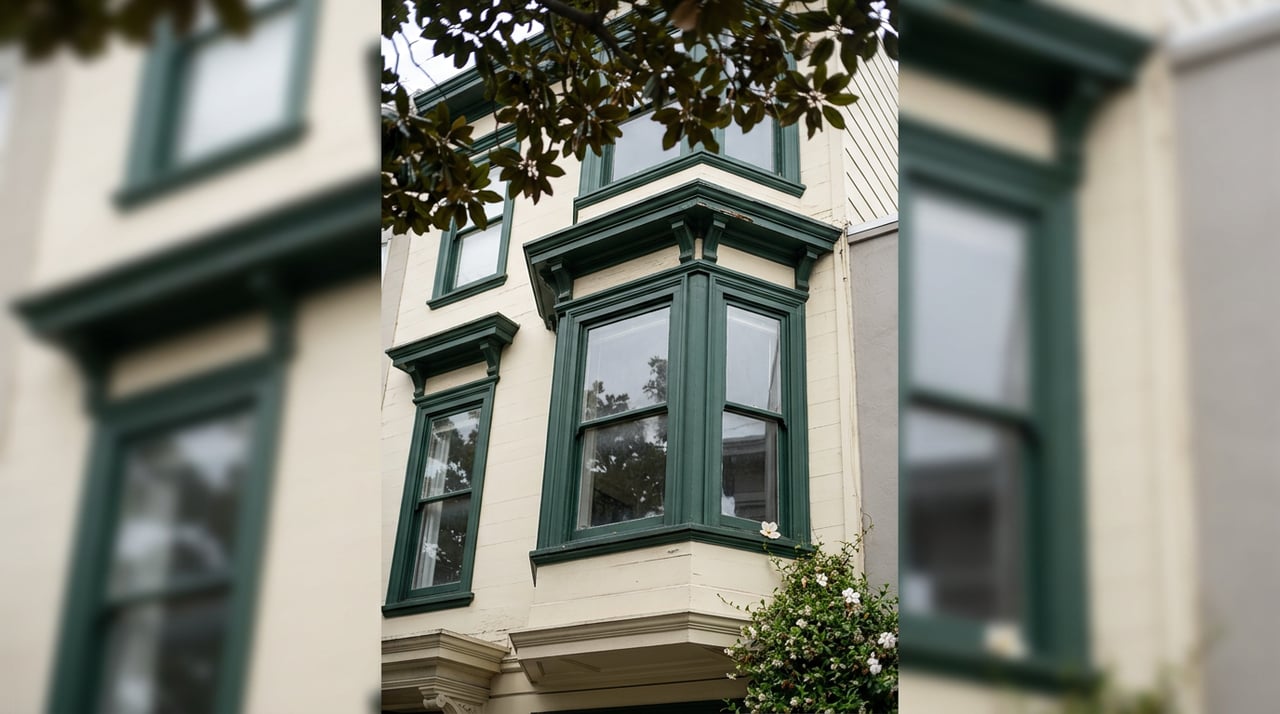
In the Hayes Valley, Alamo Square, and Western Addition area, the building stock helps explain the ownership options you see on the market. Planning records describe Hayes Valley as a neighborhood with late-19th- and early-20th-century buildings, through-block lots, mixed residential and commercial uses, and many older wood-frame structures dating roughly from 1868 to 1920.
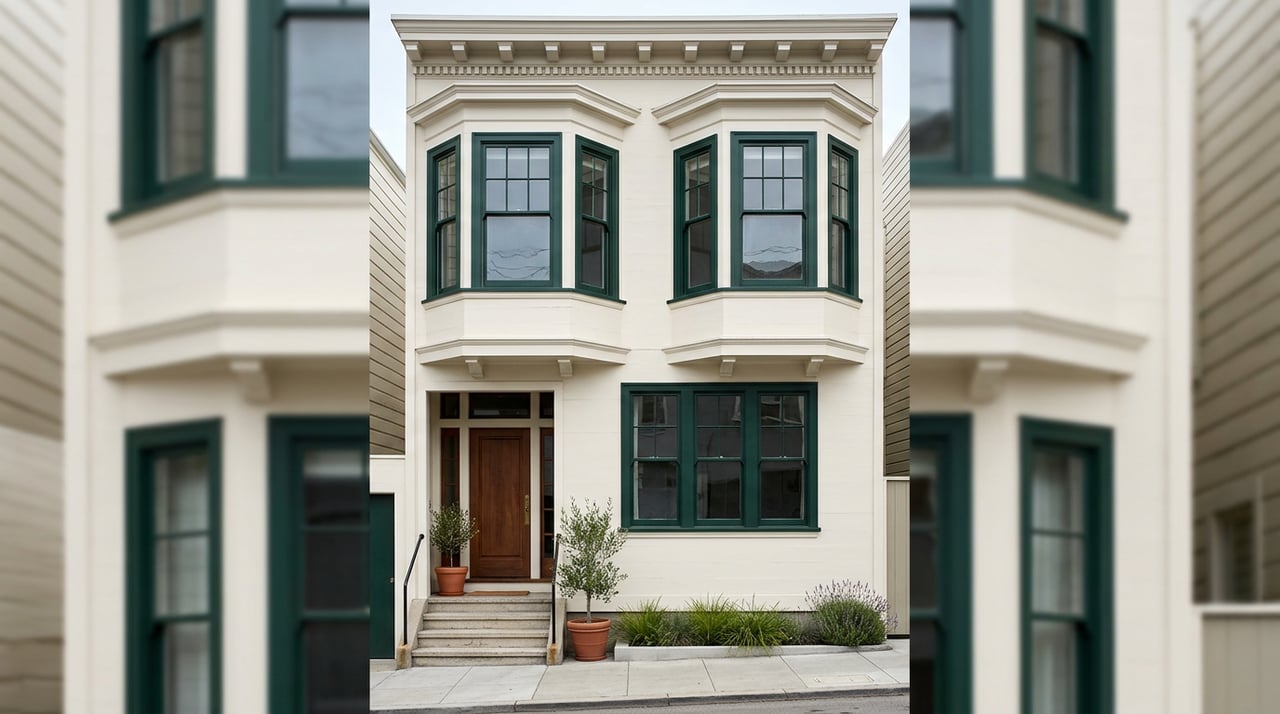
That physical history matters because it often produces smaller flats, mixed-use buildings, converted homes, and legacy apartment properties instead of large modern condo towers. In practical terms, you are more likely to come across two-unit, three-unit, or other small-building opportunities where co-ownership structures become part of the conversation.
Alamo Square tells a similar story. Planning materials describe a large residential historic district with Victorian- and Edwardian-era houses and flats, including buildings that were later converted into small apartments or replaced by taller apartment buildings.
When you combine that older housing stock with San Francisco pricing, TICs can become a way for buyers to enter neighborhoods that might otherwise be out of reach through traditional condo ownership. The Department of Real Estate specifically notes that TICs are often formed in higher-cost areas as an alternative to more expensive single-family homeownership.
In District 6, a small building is never just a layout and a price point. It is also a question of how the property has been maintained, updated, permitted, and governed over time.
Older wood-frame buildings can have excellent character and strong long-term appeal, but they can also come with deferred maintenance or incomplete records. That is why the building itself should be evaluated just as carefully as the ownership structure.
A prudent buyer should pay close attention to:
These issues are especially relevant in neighborhoods with older Victorians, Edwardians, flats, and small apartment buildings. A polished listing can still sit inside a building with bigger long-term capital needs.
Before you make an offer on a TIC or a small building, one of the most important documents to review is the Report of Residential Building Record, often called the 3R report. San Francisco DBI describes it as a report of authorized use and building permit history.
For TIC offerings, Department of Real Estate guidance says the 3R report can serve as evidence that the parcel is currently permitted for the number of residential interests being offered. In older District 6 properties, that makes it a core due diligence document for both buyers and lenders.
If a listing involves multiple units, altered layouts, lower-level space, or past renovation work, the 3R report can help you understand what the city recognizes as authorized use. That is especially important when a building has changed hands or configurations over many decades.
If you are buying in or near Alamo Square, historic review may be part of the picture. San Francisco Planning lists Alamo Square as an Article 10 historic district, and case materials show that even work on a two-family building in the district required a Certificate of Appropriateness for exterior and addition work.
For you, that means future changes may involve more than a contractor and a budget. Exterior alterations, additions, garage conversions, skylights, and similar work may need extra planning review on some District 6 properties.
This does not mean you should avoid historic properties. It means you should understand early whether your renovation ideas are simple cosmetic updates or projects that could trigger a more formal approval path.
Not every lender approaches TICs the same way. Before you move forward, make sure the lender has experience with this exact ownership structure.
Here are smart questions to ask:
These questions are not just technical. They affect your monthly costs, your resale options, and how much flexibility you will have if market conditions change.
With a TIC, legal review is not just a formality. The agreement is central to how the property works in daily life and during major events like resale, refinance, or dispute.
Ask your attorney to review questions like these:
A good review can help you understand whether you are buying into a structure that is clear and workable, or one that could create friction later.
When you evaluate a TIC or a small building in District 6, think in two tracks at the same time. First, review the title and governance side. Second, review the physical building side.
On the governance side, focus on the TIC agreement, occupancy rights, tax allocation, financing structure, and resale mechanics. On the building side, focus on the 3R report, permit history, maintenance condition, and whether the property sits in a historic district.
That combination is especially important in Hayes Valley, Alamo Square, and the Western Addition because the building stock is older and often more layered. A property can be appealing on paper and still require a closer look at both legal structure and long-term upkeep.
This part of San Francisco rewards careful, block-by-block judgment. Two properties with similar square footage and similar price points can be very different once you look at ownership structure, permit history, financing options, and building condition.
That is why local experience matters. In District 6, understanding the difference between a straightforward condo purchase and a more nuanced TIC or small-building opportunity can help you avoid surprises and make a decision with more confidence.
If you are weighing a TIC, comparing small multi-unit options, or trying to understand how a particular District 6 property fits into the bigger picture, Sage Real Estate can help you evaluate the details with clear, neighborhood-specific guidance.
Stay up to date on the latest real estate trends.


You’ve got questions and we can’t wait to answer them.