Small Multi-Unit Investments In District 7 North
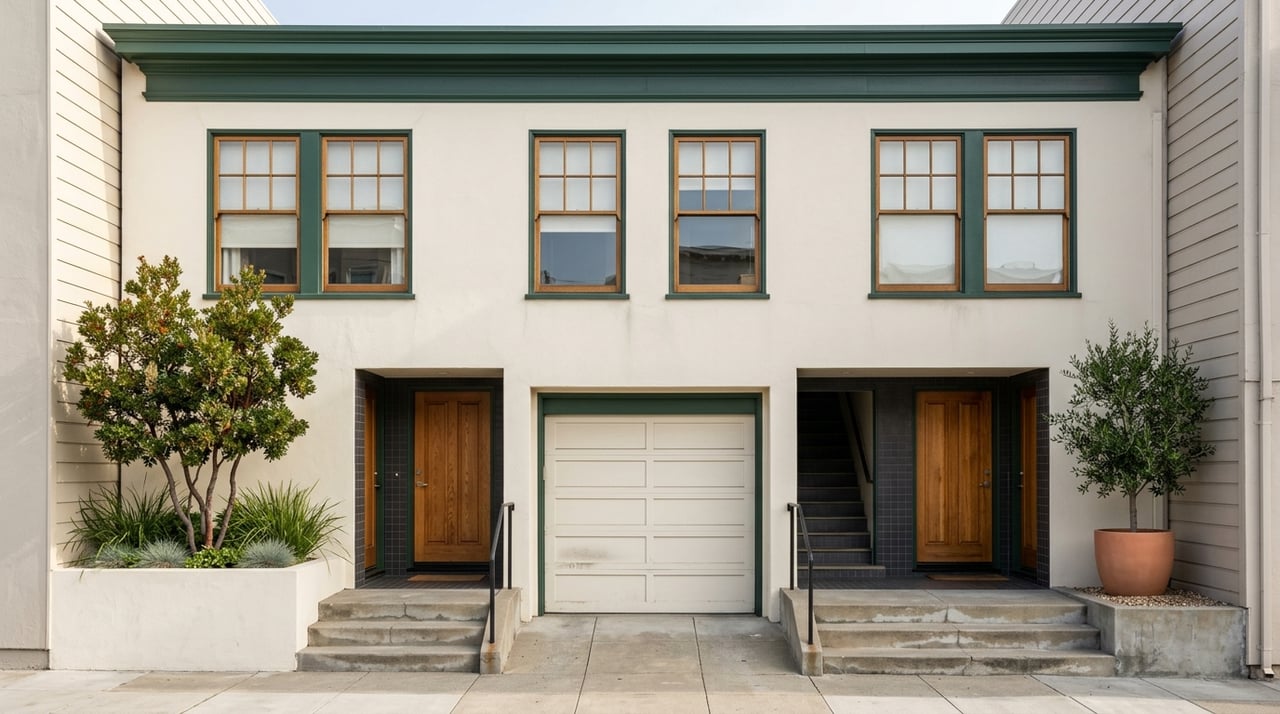
Are you looking at a small multi-unit building on San Francisco’s north side and wondering whether the numbers really work? That is a smart question, because in this part of the city, return often depends less on quick rent growth and more on regulation, building condition, and realistic planning. If you are considering a 2 to 4 unit property near the Marina, Cow Hollow, or Pacific Heights, this guide will help you focus on the details that matter most. Let’s dive in.
Before getting into the investment side, there is one important location note. City materials place Marina, Cow Hollow, and Pacific Heights in Supervisor District 2, not District 7. If “District 7 North” is an internal label for your search area, that may be fine for internal use, but it should be confirmed before publishing or marketing the property area publicly.
That distinction matters because buyers and investors often search by neighborhood, district, and ZIP code. Using the correct public-facing geography helps avoid confusion and sets the right expectations from the start.
If you are shopping for small multi-unit investments in 94102-linked San Francisco searches but targeting the city’s northside neighborhoods, you are not looking at one uniform product type. In Marina, Cow Hollow, and Pacific Heights, the likely inventory is a mix of 2 to 4 unit flats, small apartment houses, and owner-occupiable buildings that may include garages or lower-level flexibility.
That variety is part of the appeal. It also means every property needs to be evaluated on its own physical layout, legal unit count, and future use potential.
The Marina developed later than many older San Francisco neighborhoods. Planning records describe it as a neighborhood of multiple-unit apartment buildings mixed with single-family homes and commercial corridors, with architectural styles that include Mediterranean Revival, Spanish Eclectic, other Period Revival forms, and some Art Deco in multi-family buildings.
The area’s major buildout followed the 1915 Panama-Pacific International Exposition, after former marshland was filled to create about 635 acres of developable land. By 1930, the neighborhood was already about 75 percent built out, which helps explain why many existing buildings reflect early 20th-century design rather than newer large-scale apartment construction.
Cow Hollow and Pacific Heights offer a different feel and a broader range of architecture. Planning materials describe Cow Hollow as an established residential neighborhood built over about a century, with apartment buildings concentrated more in the northern portion and a built form shaped by compatibility with surrounding character.
Pacific Heights is known in planning documents for its landscaped streets, setbacks, bay views, and a sequence of building heights along the slope. Historic reports for the Pacific Heights and Cow Hollow area describe a mix of detached houses, two-family residences, and multi-family structures, with styles that include Victorian, Edwardian, First Bay Tradition, and Period Revival.
These neighborhoods can be attractive for long-term investors, but they reward caution. The research points to a simple truth: your return profile is likely to be shaped more by regulated revenue, turnover assumptions, compliance costs, and careful value-add planning than by aggressive rent growth.
That means you should underwrite conservatively from day one. A property that looks promising on gross income alone can feel very different once you account for rent control, property taxes, fees, and capital work.
One of the first questions to ask is whether the building is subject to San Francisco rent control. For many residential units built on or before June 13, 1979, rent control and eviction protections apply.
That single fact can change your entire investment outlook. If units are rent-controlled, future revenue growth may be limited unless there is lawful turnover or another permitted change in occupancy.
As of March 1, 2026, the allowable annual increase for rent-controlled units is 1.6 percent. That is a useful reminder that in-place rents may move slowly, especially if you are acquiring a building with long-term tenants.
The city also says landlords must obtain a rent increase license before imposing annual or banked increases. In practice, that means your underwriting should not assume fast rent expansion from existing occupied units.
The city states there is no cap on the first rent charged when renting an empty unit that is otherwise covered by rent control. For investors, that makes turnover assumptions especially important.
Still, turnover should never be treated casually or optimistically. A sound analysis starts with current occupancy, legal rents, and realistic timing, then tests whether the building still performs under conservative assumptions.
In San Francisco, small multi-unit ownership costs can add up quickly. Two costs specifically highlighted in the research are the San Francisco Rent Board fee and secured property tax.
For FY 2025-26, the Rent Board fee is $59 per residential unit. The secured property tax rate for FY 2025-26 is 1.18268325 percent.
Those line items may seem manageable in isolation, but they are part of a larger operating picture. When combined with insurance, maintenance, utilities for common areas, and reserves for repairs, they can materially affect cash flow.
Many of the small multi-unit buildings in these neighborhoods are older wood-frame structures. The city’s mandatory Soft Story program applies to some wood-frame multifamily buildings, and the city also notes that seismic work may require permits.
For that reason, building condition is not just a maintenance issue. It can be a major investment variable that affects renovation timing, financing discussions, and near-term capital planning.
Before you get too far into financial projections, it helps to ask a short list of practical questions:
A clean-looking building can still carry major future costs. In this segment of the market, due diligence on condition is often just as important as the rent roll.
In northside San Francisco neighborhoods like these, value-add typically means careful reconfiguration, not oversized expansion. That is especially true where older building stock, neighborhood design review, and tenant protections all intersect.
If you are hoping to increase utility and income, the opportunity may be real, but it usually needs to be approached with patience and precision.
San Francisco Planning says ADUs may be added to existing and new residential buildings. On lots with four or fewer legal dwelling units, the city’s Local Program allows one ADU plus one detached ADU.
That said, the process may also require notice and Rent Board declarations intended to protect tenant housing services. So while ADUs can create value, they are not a simple add-on line item in your spreadsheet.
Planning review also matters for visible building changes. San Francisco uses Residential Design Guidelines for new construction and alterations, and Cow Hollow has neighborhood-specific guidelines that emphasize compatibility with existing character.
For investors, that means exterior upgrades or expansions may be judged through a design lens as well as a zoning and permitting lens. In other words, the best value-add plan is often the one that respects the building’s existing form and neighborhood context.
If you are comparing small multi-unit opportunities in these neighborhoods, keep your analysis focused on the issues most likely to change performance:
This is the kind of property type where details drive outcomes. A disciplined review can help you separate a workable long-term hold from a deal that only looks attractive at first glance.
Small multi-unit investing in San Francisco is rarely plug-and-play. Buildings vary widely by age, layout, compliance history, and neighborhood context, even within a few blocks.
That is why local, property-specific guidance matters. If you are buying in a market shaped by older housing stock, regulated rents, and planning review, you want a clear-eyed understanding of both the opportunity and the friction points before you commit.
At Sage, we help buyers and sellers navigate San Francisco’s nuanced housing stock with calm, detailed guidance and neighborhood-specific perspective. If you are weighing a small multi-unit purchase or preparing to sell one, Sage Real Estate can help you evaluate the property, the process, and the next move with confidence.
Stay up to date on the latest real estate trends.





You’ve got questions and we can’t wait to answer them.