House Hacking Two To Four Unit Buildings In District 5
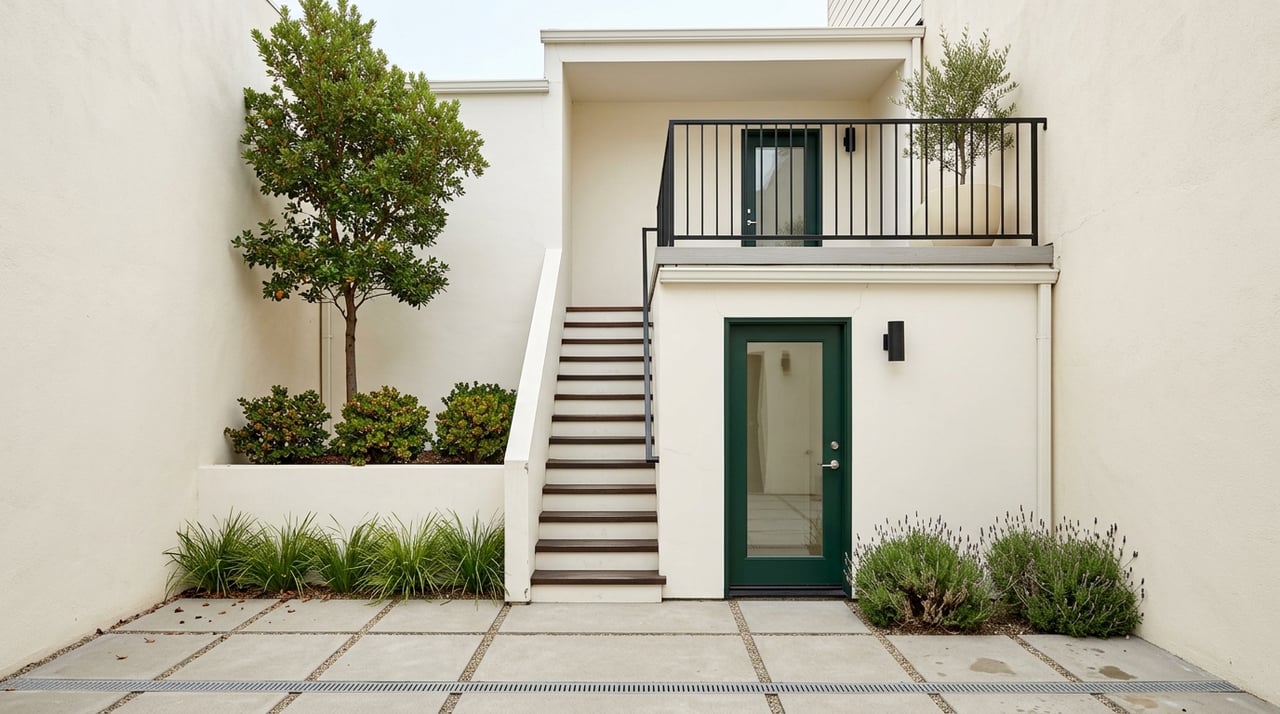
Thinking about lowering your housing costs in San Francisco without giving up ownership? In District 5, house hacking a two- to four-unit building can be a smart path, but it works best when you understand both the numbers and the rules. If you are considering a duplex, triplex, or fourplex in 94102, this guide will help you see what to look for, what financing may allow, and what local tenancy issues can change the picture. Let’s dive in.
District 5 includes areas such as Haight Ashbury, Western Addition, and Civic Center, according to San Francisco Planning’s district overview. That puts 94102 in a dense, central-city setting where privacy, layout, and renter appeal often matter just as much as square footage.
The density in 94102 helps explain why small multi-unit buildings can be appealing here. Census Reporter’s ACS profile for 94102 shows 35,976 people living within about 0.7 square miles, along with 23,629 housing units and 19,935 households. The same source reports 1.6 persons per household and a median owner-occupied home value of $935,900.
For you as a buyer, that means a house hack in District 5 is not just about finding extra space. It is about finding a building where separate units function well, occupants have a sense of independence, and the property can adapt over time.
In simple terms, house hacking usually means buying a property, living in one unit, and renting out the other unit or units to help offset your housing costs. In a two- to four-unit building, you are buying both a home and a small income property.
That distinction matters. Fannie Mae’s selling guide states that rental income can be considered from a two- to four-unit principal residence when the borrower occupies one unit. Fannie Mae also treats one- to four-unit principal residences as eligible property types for conventional financing.
Still, it is important to stay realistic. Rent does not automatically cover your mortgage, and lenders do not automatically count every dollar of projected income. The actual benefit depends on vacancy, operating expenses, and the lender’s underwriting rules.
Conventional financing can be one route for a District 5 house hack. Fannie Mae says its HomeReady program offers down payments as low as 3% and may allow additional income sources such as rental payments or boarder income, subject to program rules.
Freddie Mac offers a similar low-down-payment path through Home Possible, which also advertises options as low as 3% down. Freddie Mac notes that rental income may be used to qualify, again subject to eligibility and documentation requirements.
For a two- to four-unit purchase, the key takeaway is not that one loan is always best. It is that conventional programs may offer flexibility, but your exact qualification will depend on your lender’s review of income, reserves, occupancy, and documentation.
FHA financing is another option worth knowing. HUD’s FHA 203(b) program insures mortgages for one- to four-unit structures intended as a principal residence, and HUD says eligible borrowers may qualify for approximately 96.5% financing.
That can make FHA appealing if your main goal is a lower down payment. At the same time, FHA is not automatically the right fit for every buyer. Mortgage insurance, property condition, and your broader financial profile all matter, which is why it helps to compare options with a lender early.
One of the biggest reasons buyers explore house hacking is the chance to use rental income as part of the qualification picture. Fannie Mae’s rental income guidance confirms that rental income from the subject property can be used for a two- to four-unit principal residence when the borrower occupies one unit.
That said, there is no universal formula for how much rent will offset your monthly payment. The answer depends on actual rent levels, vacancy risk, operating costs, and how the lender documents and underwrites the income.
If a unit is vacant, projected rent may count in some situations, but not automatically. Your lender will need to apply program-specific rules, so it is best to treat rental income as a potential advantage rather than a guarantee.
In San Francisco, the legal side of a small multi-unit purchase can be just as important as the physical building. That is especially true in 94102, where older housing stock is common and tenancy status can shape how the property works for you.
The San Francisco Rent Board says the Rent Ordinance applies to most residential units in buildings constructed before June 13, 1979. For a buyer, that means a pre-1979 duplex, triplex, or fourplex may come with rent-control or tenancy considerations that affect your plans.
If you are buying an occupied property, do not assume owner occupancy will be simple or immediate. The Rent Board’s owner-move-in rules state that an owner-move-in must be in good faith, the owner or qualifying relative must occupy the unit as a principal residence for at least 36 continuous months, and certain protections apply to some long-term older or disabled tenants. The rules also limit this occupancy ground to one specific unit per building.
For a District 5 house hack, your first review should focus on how the building functions legally and physically. Cosmetic updates matter, but they should come after the basics.
Here are the most important early checks:
In a dense zip like 94102, these details often matter more than a polished kitchen or fresh paint. The right building should support your life now and still make sense later.
A strong house hack is not only about financing. It is also about comfort and long-term flexibility. In 94102, where buildings sit close together and privacy is valuable, layout can make a major difference.
Useful features to look for include:
These are not regulatory requirements. They are practical filters that can help you avoid buying a property that looks good on paper but feels difficult to live in.
The best District 5 house hacks usually have a workable plan for today and flexibility for tomorrow. You might live in one unit now, then move out later and keep the building as a full rental, or use one unit differently over time, subject to local rules.
That is why it helps to think past the initial purchase. A building with a clean layout, realistic income potential, and a tenancy structure that fits your goals will usually give you more options than one that only works under perfect conditions.
In San Francisco, small multi-unit buying is often less about chasing a simple formula and more about balancing financing, tenancy, and livability. When those pieces line up, house hacking can become a thoughtful way to enter ownership or reshape your monthly housing costs.
If you are weighing duplexes, triplexes, or fourplexes in District 5, working with a team that understands San Francisco’s housing stock and transaction details can save you time and help you ask better questions early. To talk through your options, connect with Sage Real Estate.
Stay up to date on the latest real estate trends.

You’ve got questions and we can’t wait to answer them.