Guide to Everyday Life in District 5’s Noe Valley, Mission Dolores & the Castro
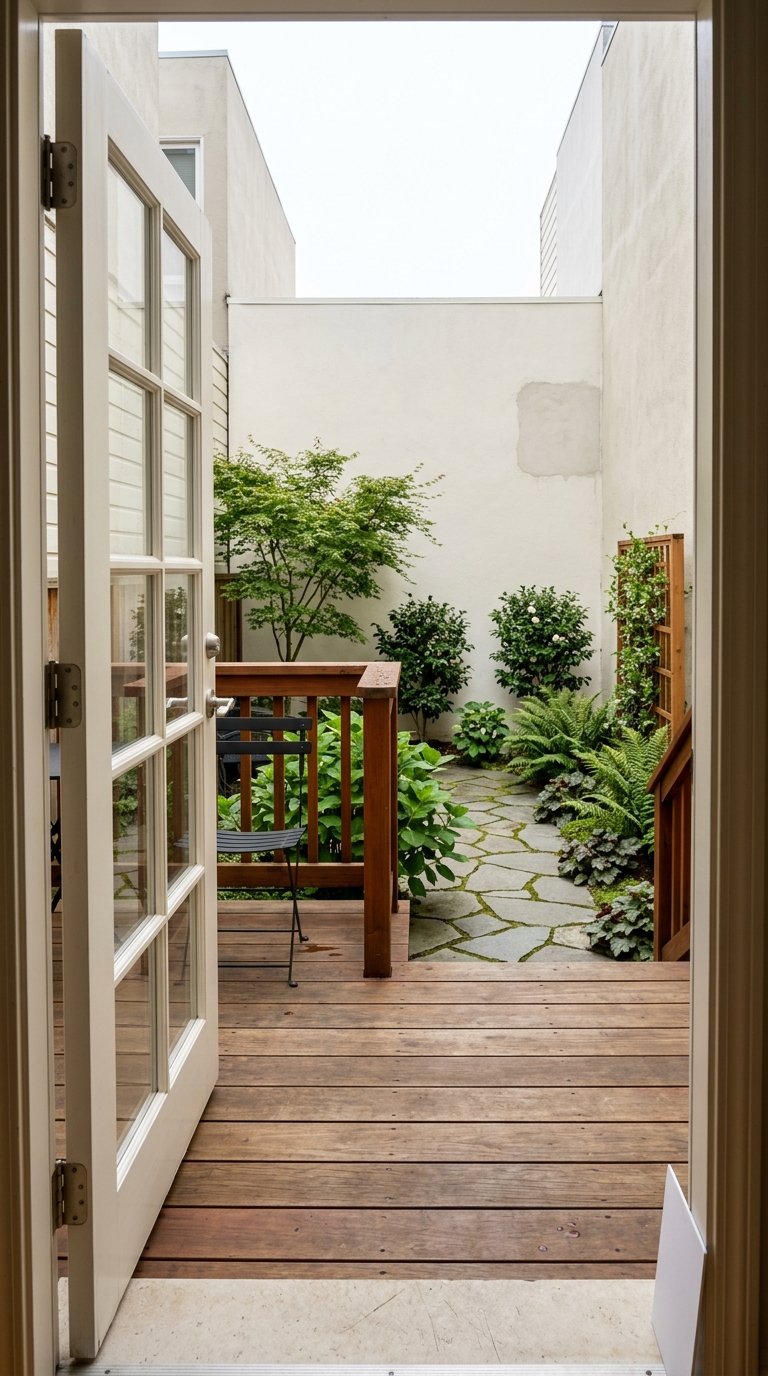
Looking for a San Francisco neighborhood that fits your day-to-day life, not just your wishlist? In Noe Valley, Mission Dolores, and the Castro, everyday routines can look very different even when the neighborhoods sit close together. If you are trying to picture where you might feel most at home, this guide will help you compare how these areas live on a normal Tuesday, not just on a sunny weekend. Let’s dive in.
One thing these three neighborhoods share is a climate that often feels friendlier than many other parts of San Francisco. According to SF Travel’s guidance on San Francisco weather, microclimates can shift within a few blocks, and layers are still a smart idea. But official sources also describe Noe Valley and Mission Dolores as sunnier or warmer than many parts of the city because of their topography and shelter from fog and wind.
That weather pattern shapes daily life in practical ways. You are more likely to spend time walking to errands, meeting friends in a park, or sitting outside at a cafe instead of planning around a long car trip. In this part of the city, neighborhood life tends to happen right outside your door.
Noe Valley is often the best fit if you want a quieter, more residential rhythm with easy access to local businesses. SF Travel describes Noe Valley as a village of wooden Victorian houses centered on 24th Street from Castro Street to Dolores Street. That main corridor gives the neighborhood a grounded, local feel rather than a high-intensity commercial scene.
On an everyday level, that means your routine may revolve around coffee, small retailers, neighborhood pubs, and practical errands along 24th Street. The atmosphere is active, but usually in a lower-key way. If you value walkability without wanting to be in the middle of a nightlife district, that balance can be appealing.
Community spaces play a big role in how Noe Valley functions. Noe Valley Town Square hosts farmers' markets, cafe seating, exercise classes, food pantries, music events, bingo, and senior events. It works as more than a park. It is part of the neighborhood’s everyday rhythm.
Nearby recreation options add even more flexibility to daily life. Upper Noe Recreation Center and Douglass Playground contribute playgrounds, dog runs, courts, fields, and picnic areas. If you want outdoor space woven into the week, not saved for special occasions, Noe Valley offers that in a practical way.
Housing in Noe Valley remains largely low-rise and residential in character. The 2024 Housing Inventory from SF Planning shows a large share of homes are single-family properties and units in two-to-four-unit buildings, with smaller shares in larger building types. That pattern helps explain why the neighborhood often feels more intimate than dense.
At the same time, Noe Valley is not disconnected. SF Travel notes service from the J Church, 24 Divisadero, and 48 Quintara/24th Street routes, which gives you solid Muni access while keeping the neighborhood’s quieter feel. For many buyers, that combination of residential character and usable transit is a key draw.
Mission Dolores often appeals to people who want a little more mix in their routine. You get historic character, strong transit access, and one of the city’s best-known outdoor gathering spaces. The area is anchored by the historic mission at 3321 16th Street, and SF Travel’s Mission Dolores guide notes access via the 22 Fillmore, the J Church, and BART at 16th and Mission.
The broader district also benefits from what SF Planning describes as excellent transit access, strong neighborhood infrastructure, and a dense mix of shops, services, murals, and restaurants along Mission, Valencia, 16th, and 24th Streets. In real life, that means you can often move through your day on foot or by transit with a lot of options close by.
For many people, Mission Dolores Park is the center of the neighborhood’s identity. At nearly 16 acres, it is one of San Francisco’s most popular parks and a regular meeting point, especially on sunny weekends. But it also matters during the week, when it serves as a reliable open-air extension of neighborhood life.
The area’s protected valley setting contributes to a sunnier and warmer climate than many other parts of San Francisco. That matters more than it may seem at first. Better weather tends to support more park time, more walking, and more spontaneous use of public space.
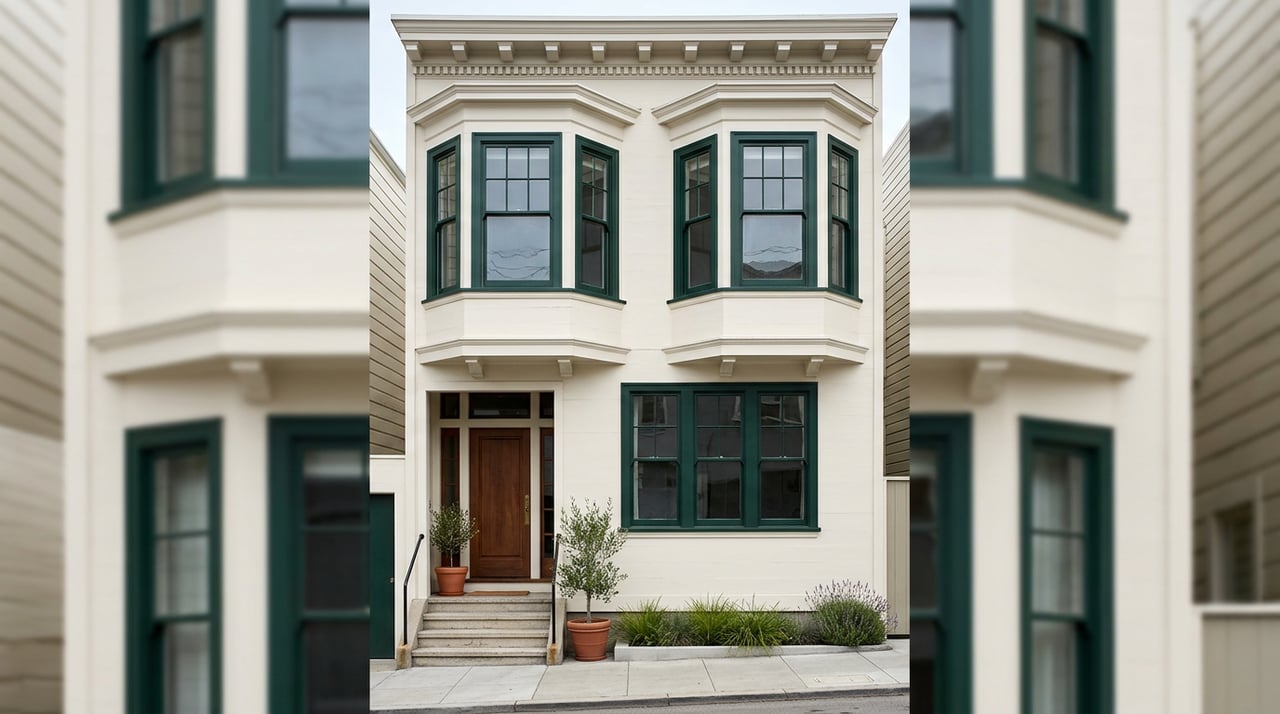
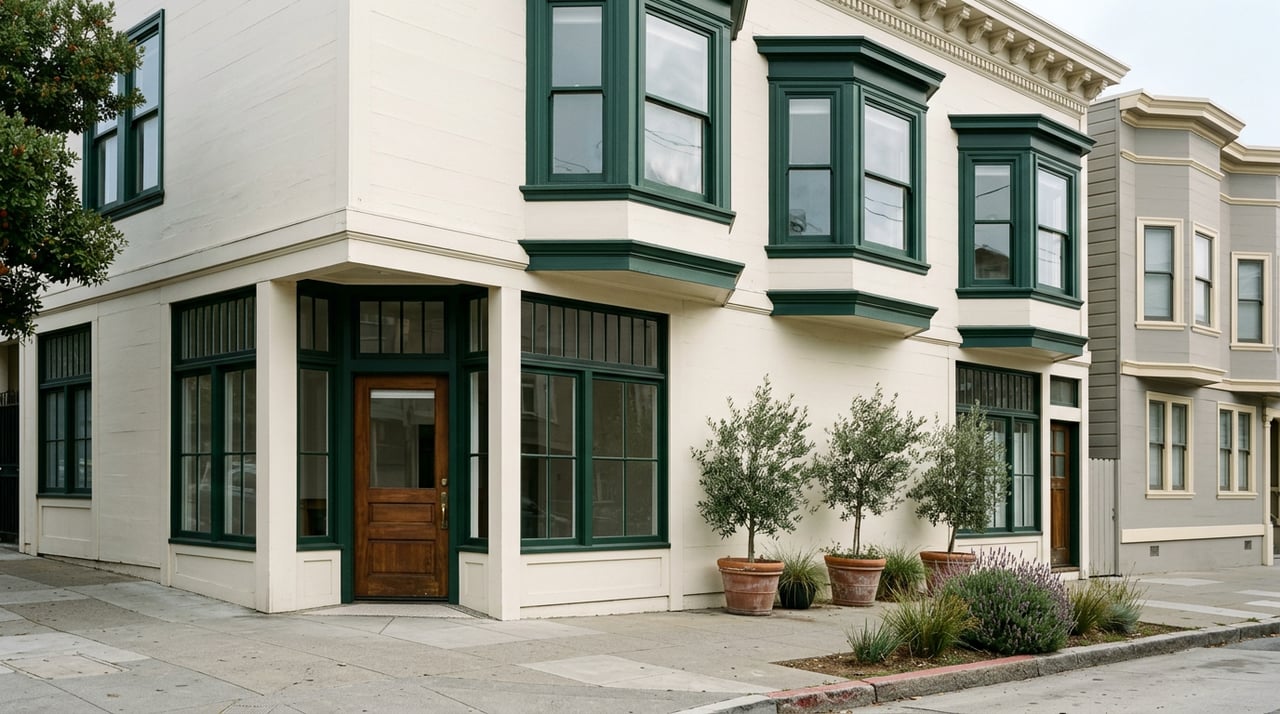
Mission Dolores has a distinctly historic and low-rise visual feel. According to SF Planning’s neighborhood context materials, much of the housing stock reflects the post-1906 rebuilding era, including Edwardian flats and apartments, surviving Victorian residences, and mixed-use corner buildings along major corridors.
That gives the neighborhood a layered streetscape rather than a uniform look. If you are drawn to older San Francisco architecture and a mixed urban fabric, Mission Dolores often delivers a strong sense of place without feeling cut off from city activity.
If you want a more active commercial district and strong transit at your doorstep, the Castro may stand out. SF Planning describes Castro Street between Market and 19th as one of the city’s best-known neighborhood commercial districts, serving local residents and the historic center of the LGBT community. Streetscape updates have included wider sidewalks, repaving, new lighting, street trees, Rainbow Honor Walk plaques, and decorative crosswalks.
That public realm investment shows up in everyday life. The Castro feels designed for being out and about, whether you are grabbing coffee, walking to transit, meeting friends, or heading to dinner. SF Travel also describes the district as a world-famous LGBTQ+ cultural area with boutiques, bars, and nightlife, which adds to its more energetic pace.
The Castro benefits from one of the denser transit networks in this group. SFMTA lists the neighborhood as served by F Market & Wharves, L Taraval, M Ocean View, 24 Divisadero, 35 Eureka, and 37 Corbett. If daily convenience means having multiple transit choices close at hand, this is a major strength.
Outdoor space is still part of the equation. Duboce Park functions as a lively community hub, while Corona Heights and Seward Mini Park offer additional outdoor options nearby. So even with the Castro’s busier commercial energy, you still have easy ways to step into green space.
The Castro is also known for historic housing stock. SF Travel points to beautiful Victorian homes, while SF Planning’s Eureka Valley context materials describe a layered historic fabric with house forms from the 1860s through the early 20th century. That means the neighborhood often retains a strong residential identity even near its busiest blocks.
For buyers, this can create an appealing mix. You may have access to vibrant streets and transit while still living among historic homes and established residential blocks. That mix is part of what makes the Castro feel distinctly San Francisco.
If you are deciding between these three neighborhoods, a simple way to think about them is this: Noe Valley tends to feel the most village-like and residential, Mission Dolores offers a strong blend of park access, history, and transit, and the Castro feels the most energetic and transit-dense. That summary is an inference from the official sources, but it closely matches how those sources describe each area.
Here is what that can mean in daily life:
None of these is a one-size-fits-all answer. The right fit depends on how you spend your time, how much activity you want around you, and what kind of home and block feel most comfortable to you.
When you tour these neighborhoods, pay attention to the details that shape real daily life. Notice how far you are from transit, groceries, cafes, parks, and your most common errands. Walk the area at different times of day if you can.
Also pay attention to housing type and street character. Noe Valley’s housing mix leans more toward single-family homes and smaller multi-unit buildings. Mission Dolores and the Castro also feature historic, low-rise housing, but their commercial corridors often feel more active and urban.
That kind of neighborhood-specific perspective matters in San Francisco, where a few blocks can change your experience significantly. If you are weighing a condo, TIC, Victorian, or small multi-unit property, it helps to work with a team that understands how block-by-block character affects both lifestyle and value.
If you are thinking about buying or selling in these neighborhoods, Sage Real Estate can help you evaluate the housing stock, street feel, and day-to-day fit that matter most in San Francisco.
Stay up to date on the latest real estate trends.
You’ve got questions and we can’t wait to answer them.