District 5 Home Types Guide: Condos, TICs and Victorians

Trying to decode San Francisco home types can feel harder than actually touring them. In District 5, you might see a classic bay-window Victorian, a remodeled flat, and a modern condo all in the same search, but the real difference is not just how a home looks. It is also how ownership works, who handles maintenance, and what daily costs you should expect. If you are comparing condos, TICs, and Victorians in District 5, this guide will help you understand the basics and ask better questions before you buy. Let’s dive in.
District 5 includes areas such as the Tenderloin, Hayes Valley, Lower Haight, Western Addition, Fillmore, Alamo Square, Japantown, NoPA, and Haight Ashbury, according to the San Francisco Board of Supervisors District 5 page. These neighborhood names are useful for home search and market context, but San Francisco Planning notes that neighborhood boundaries are not official legal lines.
That matters because when you shop in District 5, you are really shopping a mix of housing styles, building ages, and ownership structures. A beautiful older flat may be a condo or a TIC, while a detached or fully owned house may follow a different ownership model entirely.
One of the biggest points of confusion is this: Victorian is a style, not an ownership type. Condo and TIC describe legal ownership. Victorian and Edwardian describe architecture.
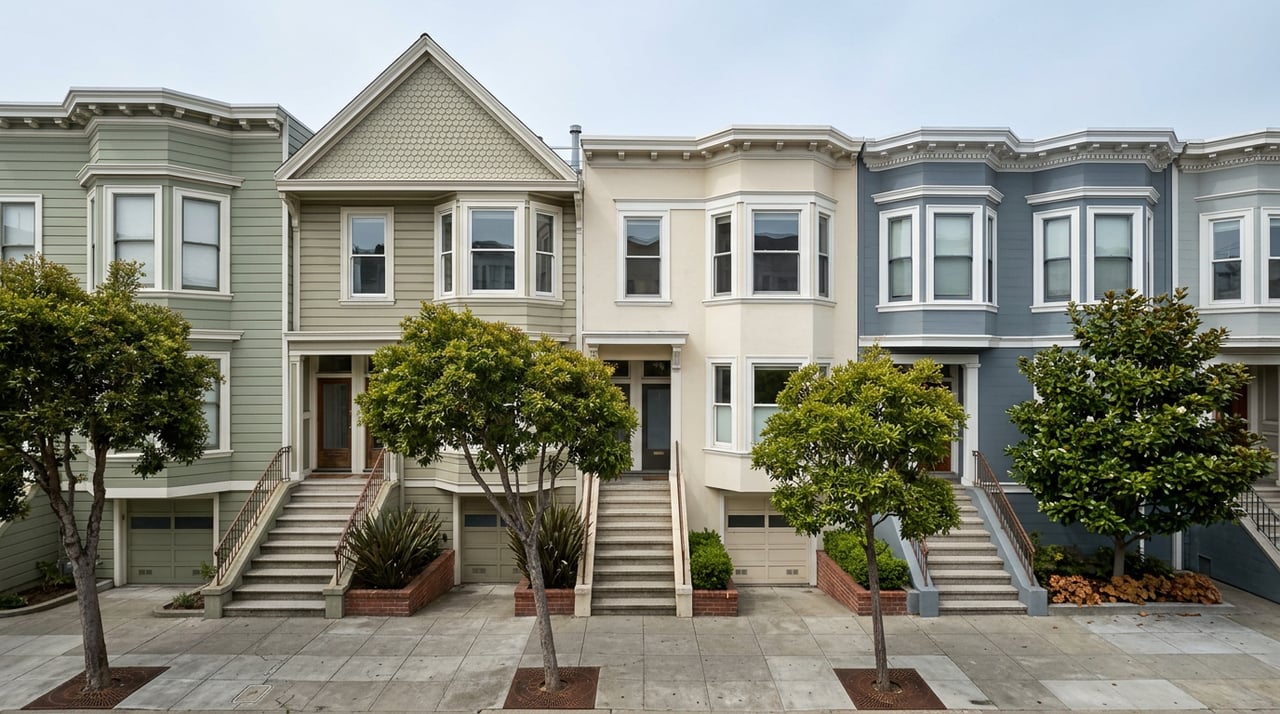
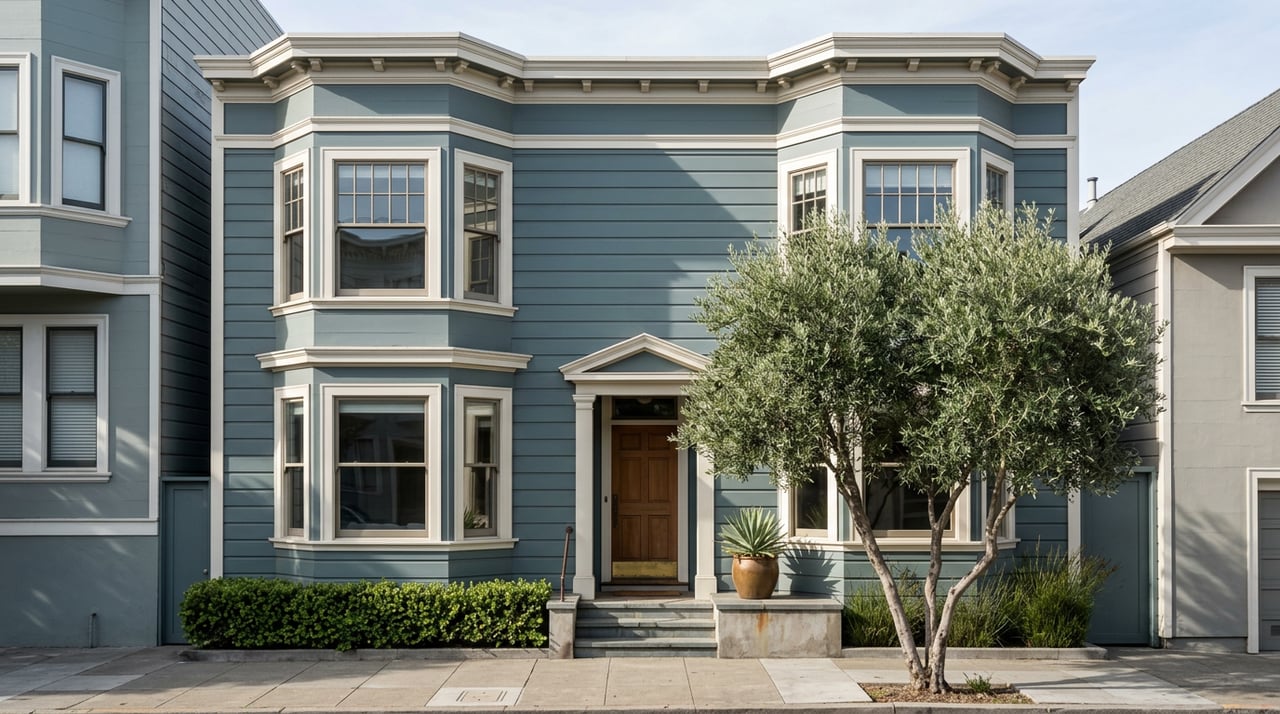
San Francisco Planning places the Victorian period at about 1860 to 1900 and the Edwardian period at about 1901 to 1910. In areas tied to Market and Octavia, including parts of Hayes Valley and nearby residential areas, historic materials describe an abundance of late Victorian and Edwardian homes and flats with wood-frame construction, bay windows, and ornamental details, as shown in San Francisco Planning historic context materials and the Market and Octavia area plan.
So when you hear “Victorian in District 5,” that could mean several things:
Under California law, a condominium includes a separate interest called a unit plus an undivided interest in common in part of the property. In plain English, you own your unit and also share ownership of common areas such as halls, roofs, stairs, or other shared portions of the property, as described in the California Civil Code definition of condominium ownership.
For many buyers, condos feel straightforward because the ownership lines are usually easier to explain. You generally pay your mortgage for your unit, plus HOA dues that help cover shared expenses.
California law also provides that, unless governing documents say otherwise, the association maintains the common area while the owner maintains the separate interest. Reserve studies commonly focus on shared components such as roofs or pavement, based on California reserve and common-area maintenance rules.
That often means condo ownership can reduce your day-to-day responsibility for exterior and shared-area upkeep. But it does not mean maintenance disappears. You still need to budget for:
The Consumer Financial Protection Bureau notes that homeowners need to understand mortgage-related housing costs clearly, and in condo settings that practical budget picture often includes costs beyond the loan itself, including dues and insurance, as reflected in the CFPB mortgage terms resource.
A tenancy-in-common, or TIC, works differently. According to SF.gov’s TIC overview, a TIC is a form of ownership in which a group co-owns a single parcel. The Assessor treats the parcel as one unit for tax billing, and when a percentage share is sold, only that share is reassessed at current market value.
In practice, TIC owners usually have an agreement that assigns each owner exclusive rights to occupy a specific unit and explains how costs are divided. The California Department of Real Estate TIC guidelines note that the TIC agreement is central because it outlines occupancy rights and the tax-apportionment method.
If you are considering a TIC in District 5, you will want to understand not just the space itself, but also how the co-ownership works. A TIC can be a good fit if you are comfortable making some decisions alongside other owners.
Before you move forward, ask questions like:
With TICs, the home purchase is partly about the building and partly about the structure of the agreement. That is why careful review matters.
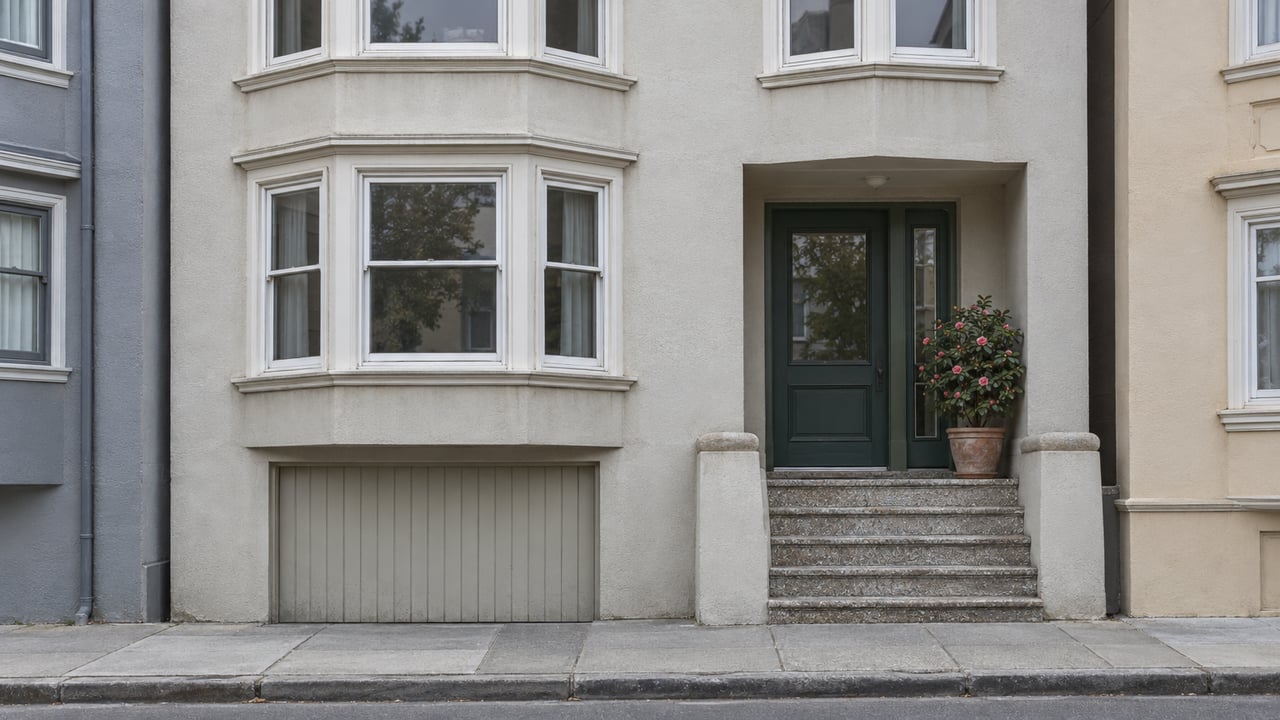
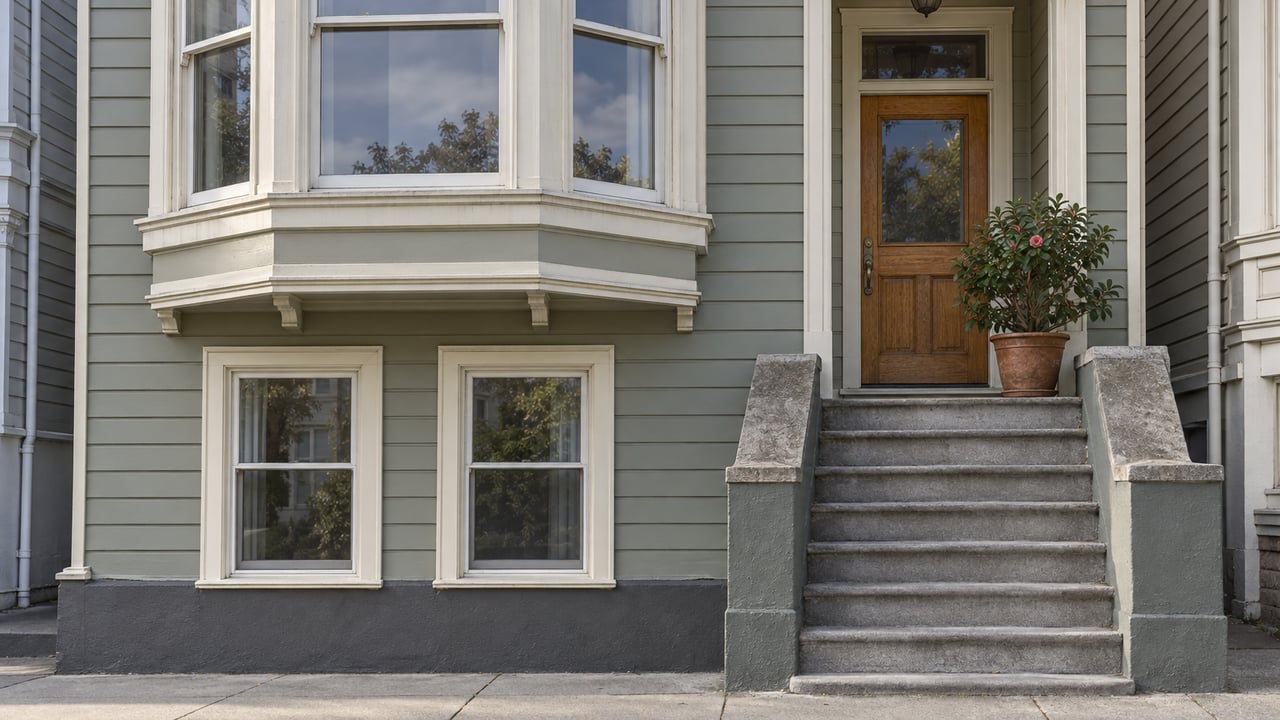
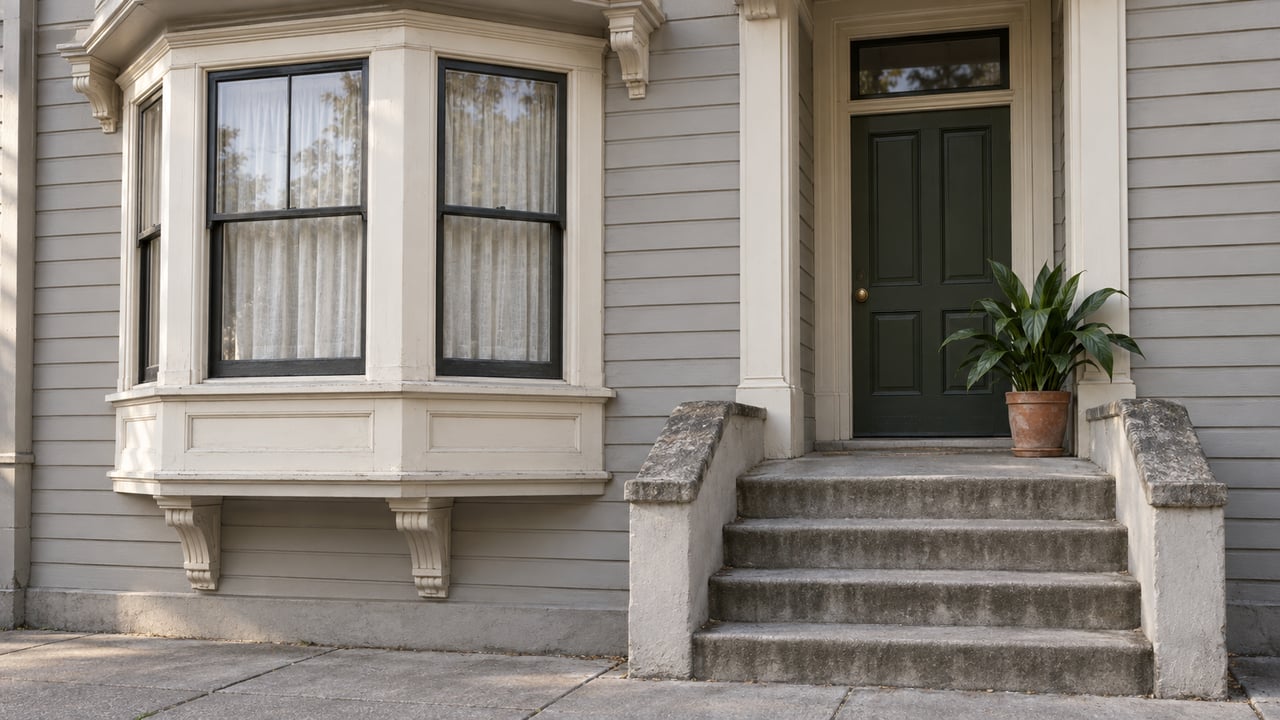
In District 5, “Victorian” often refers to the visual character buyers love most. Think wood-frame construction, bay windows, decorative trim, and classic San Francisco street presence. In many parts of central San Francisco, these homes and flats shape the look of the block.
But from a buying standpoint, the important thing to remember is that Victorian does not tell you how title is held. A Victorian can be a fee simple single-family home, a condo, or a TIC.
HUD defines fee simple ownership as absolute ownership unencumbered by another interest or estate, which makes it a useful contrast to condos and TICs when you are learning the basics from the HUD housing glossary. If a Victorian is owned fee simple, you generally have the clearest, most direct form of ownership and control.
Many District 5 Victorians and Edwardians are older properties, and age alone is not a problem. It does mean inspection details matter. The CFPB notes that home inspectors often review structural and mechanical systems such as heating, ventilation, and electrical components, which is especially relevant in older housing stock through the CFPB home inspection guidance.
If you are looking at an older condo, TIC, or single-family Victorian, inspection findings can help you better understand:
Here is a simple way to think about it: condos and TICs describe how you own, while Victorians describe what the building looks like.
| Home Type | What It Describes | Ownership Basics | Maintenance Pattern |
|---|---|---|---|
| Condo | Legal ownership structure | Separate unit plus shared common interest | HOA usually handles common areas; owner handles unit |
| TIC | Legal ownership structure | Co-ownership of one parcel with agreement-based occupancy rights | Shared decision-making among co-owners |
| Victorian | Architectural style | Could be single-family, condo, TIC, or another setup | Depends on ownership structure and building condition |
This is why two listings that look similar from the street can involve very different costs, responsibilities, and decision-making.
When you tour homes in District 5, keep your focus on both style and structure. A home may check the box aesthetically, but you also want to understand what comes with ownership.
Use this quick checklist:
That framework is especially useful in District 5, where the housing stock can be older, architecturally distinctive, and legally varied all at once.
There is no universal best option. The right fit depends on how you want to live, how much maintenance responsibility you are comfortable taking on, and how you think about monthly costs and shared decision-making.
A condo may suit you if you want a more defined ownership structure and less direct responsibility for shared exterior maintenance. A TIC may make sense if you are comfortable with co-ownership and want to understand the agreement in detail before moving ahead. A Victorian or Edwardian home may appeal to you if you value classic San Francisco architecture, but you will still want to confirm whether it is a condo, TIC, or single-family property.
In a market like San Francisco, clarity creates confidence. When you understand the difference between home style and ownership structure, you can compare listings more accurately and avoid surprises later in the process.
If you are weighing condos, TICs, or classic San Francisco homes in District 5, Sage Real Estate can help you sort through the details, understand the tradeoffs, and move forward with a clear plan.
Stay up to date on the latest real estate trends.



You’ve got questions and we can’t wait to answer them.