Condo Or Victorian Flat In District 6 – How To Decide
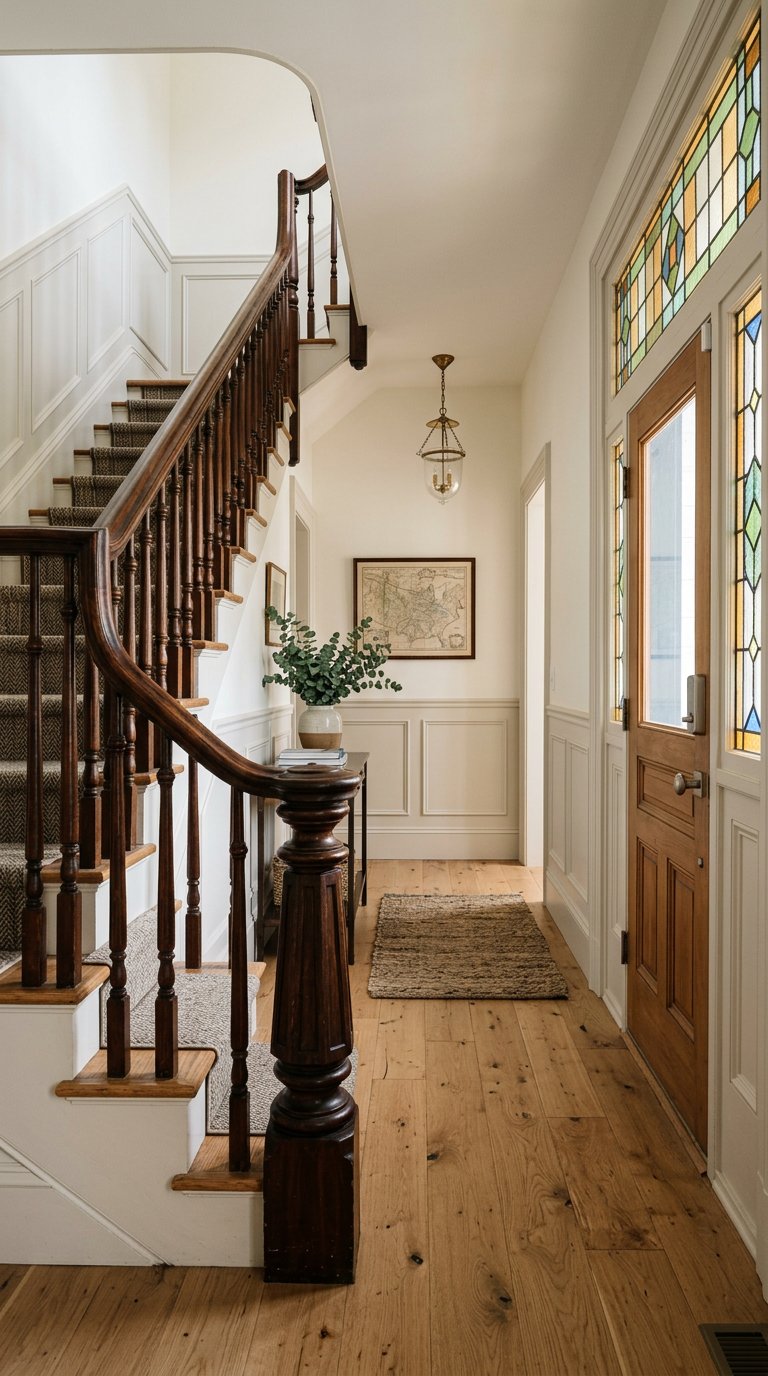
Torn between a sleek condo and a character‑rich Victorian flat in San Francisco’s District 6? You’re not alone. The choice shapes your financing options, monthly costs, renovation freedom, noise experience, and resale path. In this guide, you’ll get a clear, local look at what matters in Hayes Valley, Alamo Square, and the North Panhandle so you can move forward with confidence. Let’s dive in.
Victorian flats here often sit in older wood‑frame buildings and can be set up as condominiums or as Tenancy‑in‑Common (TIC) interests. TICs are fractional ownership structures with an agreement that spells out who lives in which flat. Conversions to condo form are possible in some cases but follow San Francisco’s regulated process with specific limits and tenant protections. You can review the city’s outline of condo conversion restrictions to understand the basics before you shop.
Condos grant you fee‑simple title to a discrete unit plus shared rights to common areas, and they are governed by an HOA under California’s Davis‑Stirling framework. Lenders, appraisers, and title companies view condos as a standard parcel type, which usually makes financing and resale more straightforward than TICs. If you plan to use FHA financing, note that FHA added a single‑unit approval path in 2019 for certain condo projects, but the project and unit still need to meet program rules.
Also keep San Francisco’s Rent Ordinance, seismic retrofit rules, and potential historic protections in mind. Units in buildings built on or before June 13, 1979 are often covered by the Rent Ordinance, which can affect purchases of tenant‑occupied flats. The city also enforces a Mandatory Soft‑Story Retrofit Program for many older wood‑frame multi‑unit buildings, and several blocks near Alamo Square and beyond fall within or near historic districts where exterior changes require special approvals.
With a condo, you get a separate deeded unit, and most mainstream loans apply if the project meets agency guidelines. Lenders review HOA financials, reserve levels, insurance, owner‑occupancy, and delinquency rates. If you are using FHA, the single‑unit approval path can help when a full project approval is not in place, but eligibility still depends on specific condo‑level and unit‑level criteria.
If the Victorian flat is a TIC, you own a fractional interest in the entire parcel with an agreement that gives you the exclusive right to occupy your specific flat. Financing for TICs is more specialized and offered by fewer lenders, and buyers often need larger down payments. Because agency programs like FHA and VA typically do not apply to TICs, expect a smaller buyer pool on resale and plan your financing early.
Condo HOA dues fund common‑area maintenance, master building insurance, management, and reserves for future repairs. Lenders pay close attention to reserve studies and delinquency levels because they affect project eligibility and risk. As an owner, you will also carry an HO‑6 policy for your interiors and belongings; confirm whether the master policy is “walls‑in” or “all‑in” and that replacement‑cost coverage is in place.
TIC buildings rely on a private agreement rather than a standardized HOA statute. There is no baked‑in reserve requirement, so contribution levels, enforcement, and decision‑making vary by building. Clarify in writing who is responsible for roofs, exterior paint, shared systems, and insurance, and look for any master loans recorded against the property.
Many Victorians use wood framing, plaster, and single‑pane windows unless they have been remodeled. That classic feel can also mean thinner partitions and more sound transfer between floors or neighboring units. Exterior window upgrades may face limits on landmark blocks, so plan on interior sound‑mitigation, such as rugs, door gaskets, and insulation, if noise is a priority.
Newer condos often include double‑glazed windows and assemblies designed to meet the acoustical provisions of the California Building Code. Industry guidance for multifamily projects recommends designing above minimum code targets to improve sound isolation. If quiet is high on your list, ask the HOA or developer whether any STC or IIC test data exists for floors, walls, and windows.
Inside a condo, you can usually update kitchens, baths, and finishes, but work that touches common elements, plumbing stacks, or vents generally requires HOA approval and city permits. Always review the CC&Rs and talk with the management company before committing to a scope. In Victorian TICs, your interior rights depend on whether you own a deeded condo unit or an exclusive‑use area under the TIC agreement, and any structural work needs coordination and permits.
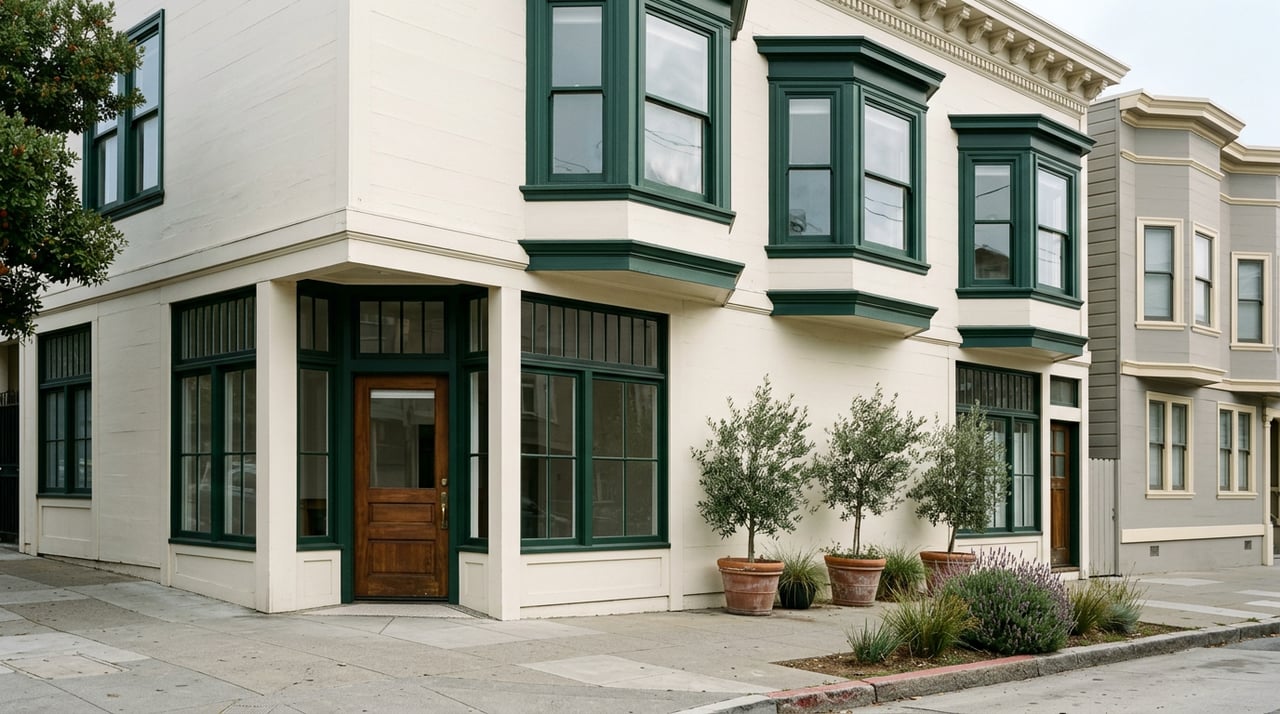
Parts of Alamo Square and nearby streets are within local historic districts. Exterior alterations, visible window changes, or facade work often require a Certificate of Appropriateness and must meet established preservation standards. This can add time and cost to any plan that affects the exterior, so check whether a property is a designated landmark or contributing structure before you buy.
San Francisco’s Mandatory Soft‑Story Retrofit Program captures many older multi‑unit wood‑frame buildings that need structural upgrades. For multi‑owner buildings, this can mean special assessments or capital calls. Always check the city’s database and permit history to confirm status and any outstanding work.
Some TICs can convert to condo form, which typically eases financing and can improve resale. Conversion is not automatic and is regulated, with annual caps and tenant‑protection rules that can influence timing and feasibility. If conversion is part of your strategy, review the city’s guidance and consider the building’s tenancy history before moving forward.
You will find a mix of newer boutique condo buildings and remodeled flats woven into a walkable, retail‑rich grid. Condos here often offer modern layouts and building systems. If you prioritize contemporary amenities and low‑maintenance living near shops and dining, this pocket tends to deliver.
This area has a high concentration of intact Victorian and Italianate buildings and many preservation‑sensitive blocks. Buyers who value period details, tall ceilings, and historic streetscapes often focus here. Plan for possible preservation reviews if you anticipate exterior work.
The blocks around the Panhandle and along Divisadero present a mix of classic flats, small condo conversions, and scattered newer projects. Sound exposure can vary by street and proximity to commercial corridors. Tour at different times to get a realistic read on noise and traffic patterns.
Condos usually draw a broader buyer pool and benefit from familiar underwriting, which can help with appraisal and loan approvals. TICs often trade at a discount compared to similar warrantable condos, reflecting specialized financing and transaction complexity. If you are comfortable with the structure and plan for the longer term, a TIC can be a value play, especially if conversion is possible under current rules.
Before you write an offer:
Documents to request with the offer:
Questions to ask on a showing:
Insurance and insurability:
Pro tips to keep front and center:
Both paths can be great in District 6. Condos shine for financing ease, predictable governance, and lower day‑to‑day involvement. Victorian flats offer character and, in TIC form, potential value if you are comfortable with a smaller financing universe and a hands‑on approach. The best fit comes from aligning your financing, lifestyle, renovation goals, and tolerance for complexity with the specific building you choose.
If you want a calm, expert walkthrough of your options, reach out to the neighborhood‑focused team at Sage Real Estate. We help you compare properties, surface risks early, and negotiate the details that protect your timeline, budget, and peace of mind.
Stay up to date on the latest real estate trends.




You’ve got questions and we can’t wait to answer them.