Living In Cow Hollow And The Marina: A Local Guide
Wondering if Cow Hollow or the Marina fits your day-to-day life? Maybe you picture morning runs by the water, coffee on a sunny sidewalk, and an easy walk to dinner. You want a clear, honest overview before you fall in love with a listing. In this guide, you’ll learn how these northside neighborhoods work in real life, from parks and shops to housing, transit, and the practical buyer checks that matter. Let’s dive in.
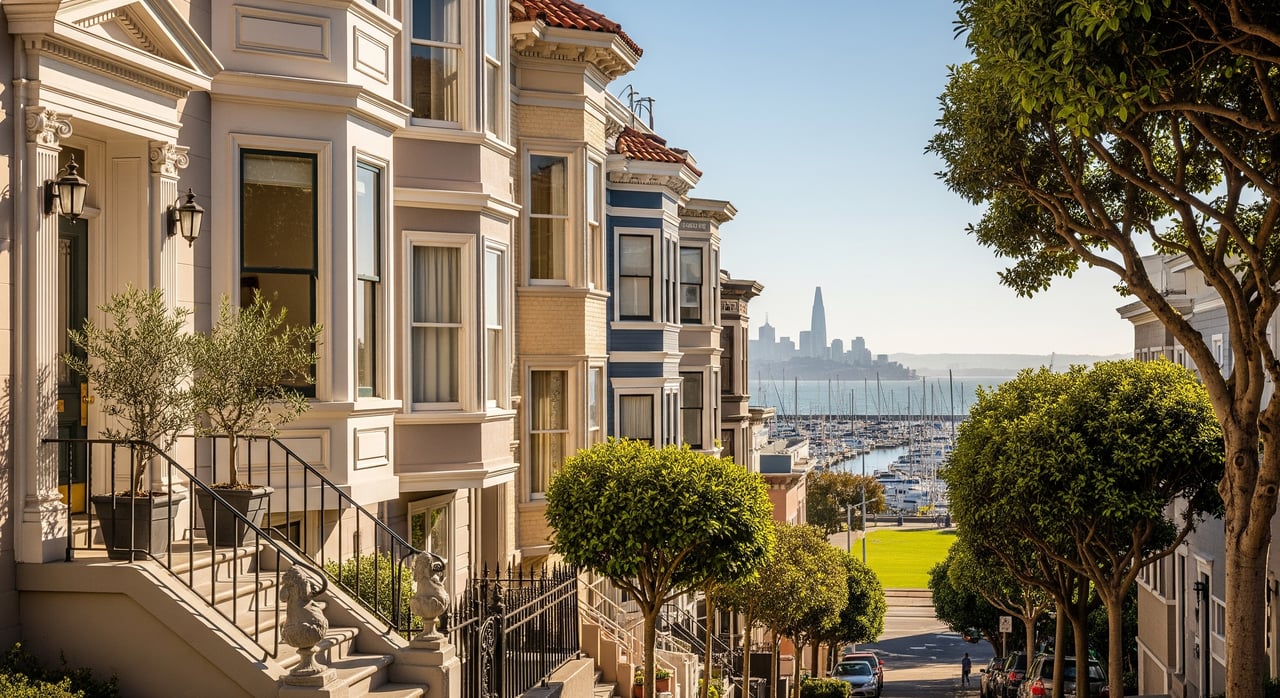
Cow Hollow and the Marina sit on San Francisco’s northern waterfront, with the Golden Gate Bridge to the west and Fisherman’s Wharf to the east. Boundaries shift a bit by source, so it helps to think in landmarks. Look for Marina Green and Crissy Field along the bay, the Palace of Fine Arts nearby, and the Union and Chestnut Street corridors as neighborhood anchors. The hills of Pacific Heights rise just south, and the Presidio wraps the western edge.
Both areas offer a tight mix of residential streets and local storefronts. You can handle most errands on foot. Weekend energy builds along the waterfront and the main shopping streets, while side streets feel calm during the week.
You get rare waterfront access for a dense city. Marina Green and the paths through Crissy Field offer long, flat routes for walking, running, and biking with wide views of the bay and bridge. If you want a quick nature reset, you can be by the water in minutes from most blocks.
Expect an active outdoor culture. You will see runners, cyclists, dog walkers, and people heading out for sailing or paddleboarding when the weather cooperates. Community gyms, pilates, and boutique fitness studios are common along Union, Chestnut, and Fillmore.
Chestnut Street in the Marina and Union Street in Cow Hollow carry the day-to-day load. You will find cafés, bakeries, markets, independent boutiques, and a mix of casual and sit-down dining. Fillmore Street at the eastern edge adds more restaurants, wine bars, and services.
For big-box groceries or large-format retail, most residents hop to nearby commercial corridors like Polk or Van Ness, or they order delivery. Evenings are lively with after-work dinners and meetups, but the nightlife is more laid-back than downtown.
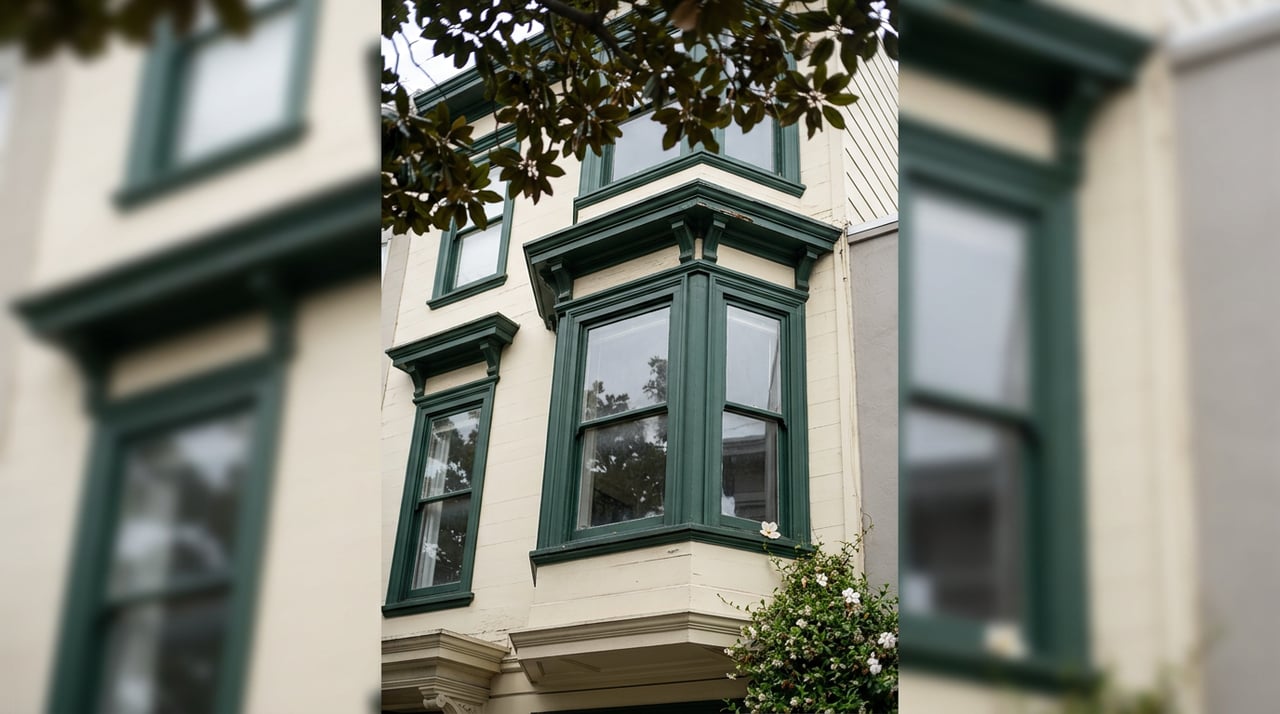
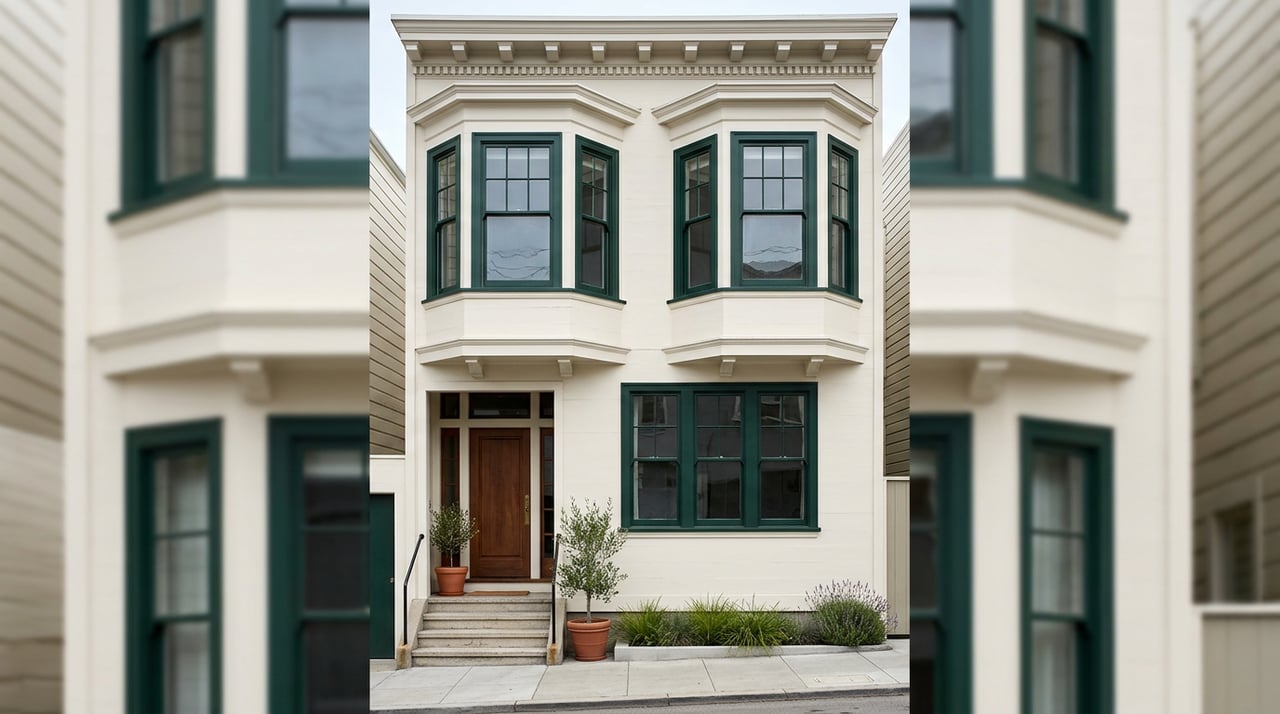
These neighborhoods share a classic San Francisco look with important differences.
Ownership varies. Expect many condos and TIC-style arrangements, along with rental flats. HOA fees and parking options differ widely by building, so it pays to compare the total monthly cost rather than the price tag alone. Storage is often limited, and private outdoor space is not guaranteed.
The Marina District was built on reclaimed bay fill and former military land after the 1906 earthquake and the 1915 Panama–Pacific International Exposition. Fill soil can amplify shaking during a major quake. Many older wood-frame buildings in both neighborhoods may need or have undergone seismic retrofits.
Two practical steps when you evaluate a property:
Insurance is another layer. Earthquake coverage is separate from homeowners insurance, and flood policies are also separate. Some buyers choose higher deductibles to manage costs. Talk to your lender and insurer early so there are no surprises.
San Francisco has citywide rules that can affect ownership and daily use:
If you are buying a condo or co-op, read the HOA documents, minutes, and budgets closely. Look for upcoming repairs, special assessments, parking rights, storage, and whether any rental caps or pet rules apply.
Parking is a known pain point. Many buildings have one space per unit or none at all. Streets can be competitive, and residential parking permits are common. A private garage often commands a premium in these neighborhoods.
Public transit is Muni bus-based rather than rail. You will typically take a bus to downtown or transfer to BART. Before you commit, test your actual commute at the times you care about. For current routes and service, check the SFMTA site.
If you bike, you will find friendly routes along the waterfront and designated lanes on key streets. Mixed-mode commutes are common. People will bike to a Muni line, rideshare during late nights, or drive to a park-and-ride for regional trips.
You may be a fit if you want waterfront access, walkable errands, and a strong neighborhood feel close to the city core. Many residents value active recreation, quick café stops, and a social dining scene. Smaller households often like the trade-off of less private outdoor space in exchange for parks and paths at the doorstep.
Trade-offs include tight parking, more weekend visitors near the water, and older buildings that require extra due diligence. If you plan for those factors up front, you can enjoy the best of the location without surprises.
Use this checklist as you start exploring listings:
If you are moving from a larger home, take time to map storage, bike parking, and delivery logistics. Small upgrades, like secure wall racks or added closet systems, can make a big difference.
Prices shift with market conditions and building specifics. Rather than fix on a single number, track the latest trend lines for condos versus single-family homes and compare 94123 and adjacent northside zips. Ask your agent for current neighborhood medians, days on market, and inventory by property type from the local MLS or association reports. That will help you calibrate expectations before you write an offer.
Buying in Cow Hollow or the Marina rewards hyperlocal knowledge. You want specialists who can read a building’s vintage, spot retrofit clues, navigate HOA disclosures, and position you to win the right home at the right price. Our senior-led team pairs boutique care with proven systems for staging, pricing, negotiation, contingency management, and closing. We bring decades of San Francisco experience to every step so you can move forward with clarity and confidence.
Ready to explore the northside? Start a conversation with Sage Real Estate.
Stay up to date on the latest real estate trends.


You’ve got questions and we can’t wait to answer them.