Thinking about relocating to San Francisco and eyeing the northern neighborhoods for their charm, views and city access? You’re not alone. Many professionals land on District 7‑North for its classic architecture, waterfront energy and proximity to major job centers. In this guide, you’ll get a clear picture of what homes look like, realistic commute options, timelines for renting or buying, and the key legal changes that affect your budget. Let’s dive in.
What District 7‑North actually covers (neighborhood map)
District 7‑North refers to the San Francisco Association of REALTORS® District 7, which includes Pacific Heights, Presidio Heights, Cow Hollow and the Marina. If you’re new to San Francisco’s district system, this neighborhood cluster sits along the city’s northern edge between the Presidio and the bay. For a visual overview, see the SFAR district map guide that outlines how the city is organized by real estate districts and subdistricts in plain language and simple diagrams in the SFAR MLS District Map overview.
A quick note on ZIP codes: 94102 covers parts of central San Francisco like Hayes Valley and the Civic Center area and is not inside District 7‑North. If your office is near 94102 but you want to live in District 7‑North, you’ll balance a bit more transit or drive time against lifestyle and housing style differences.
What housing looks like and what it costs
For buyers
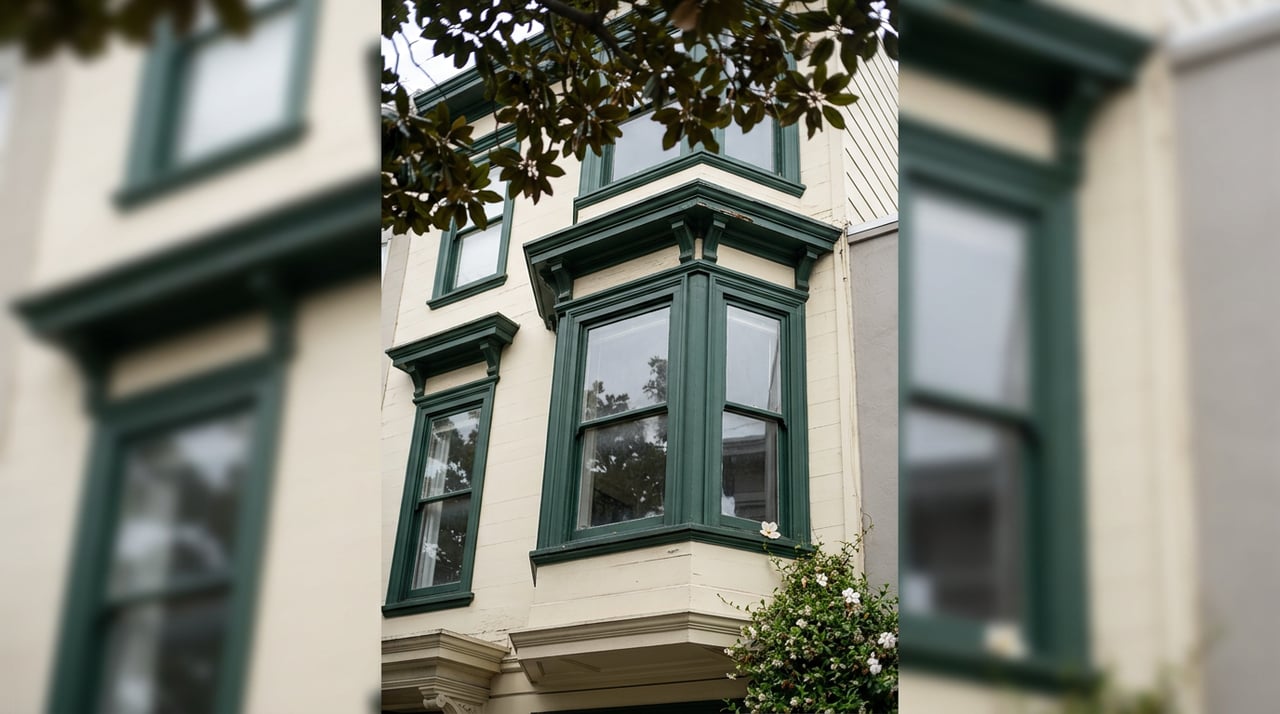
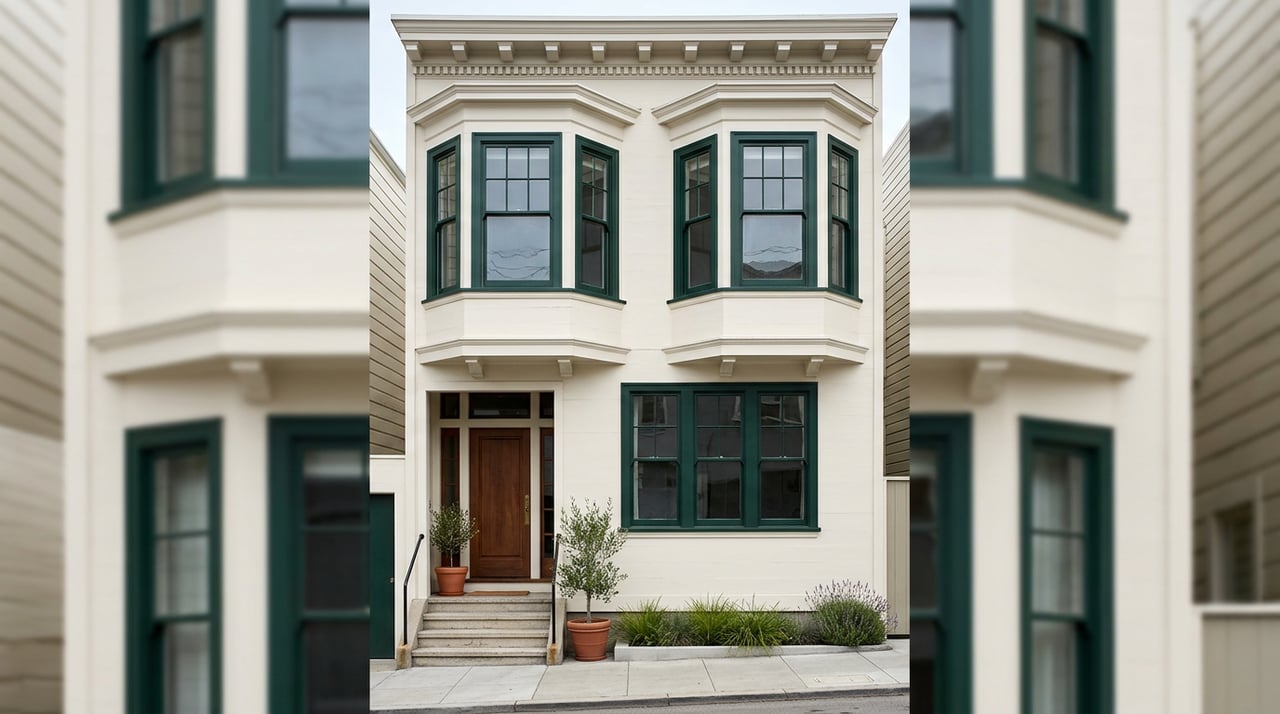
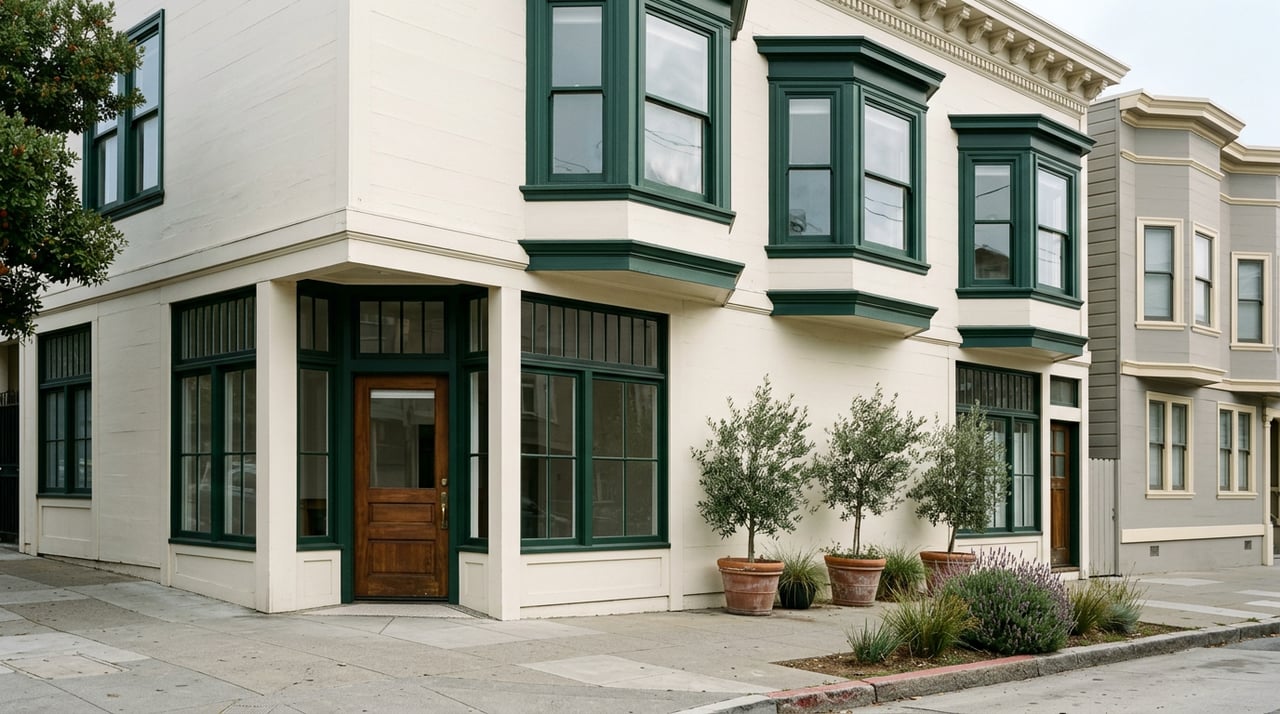
You’ll find a mix of classic Victorians and Beaux‑Arts homes in Pacific Heights and Presidio Heights, plus low‑ to mid‑rise condos and converted flats in the Marina and Cow Hollow. Inventory tends to be limited, and the ultra‑luxury segment is active. Recent local reporting noted that District 7 neighborhoods have seen record highs, with a district median house price around $6 million across the high‑end house inventory. That context reflects strong demand for view and waterfront property alongside scarce supply, as covered by the San Francisco Chronicle’s reporting on record high prices.
Prices vary widely by property type and exact block. Condominiums and smaller buildings can present different value ranges than large single‑family homes, so it helps to focus your search by property type, outdoor space needs and any must‑have features like parking or an elevator.
For renters
District 7‑North ranks among the priciest rental pockets in the city. Recent neighborhood medians show the Marina around $4,600 per month and Pacific Heights around $4,500 per month for typical market‑rate units. Rents rise for prime views, newer buildings, in‑unit laundry and parking. You can review current neighborhood rent context in Zumper’s affordability overview for San Francisco, which highlights how northern neighborhoods compare with the city overall in the San Francisco rental affordability guide.
If your work hub is closer to 94102, note that its housing stock and price behavior differ from District 7‑North. Hayes Valley and the Lower Haight offer more condo and flat inventory and a different retail feel compared with the bayfront and hillside character in the Marina and Pacific Heights.
How you’ll get to work: transit, driving and time ranges
District 7‑North is central to city life, but it does not have a BART or Caltrain station inside the neighborhood. Most commuters use one of three patterns: a direct Muni express bus to downtown, a drive on 101 or 280, or a short Muni ride to reach BART or Caltrain and then continue regionally.
- To downtown/Financial District: The 30X Marina Express runs weekday mornings and is a common choice from Marina and Cow Hollow corridors. Typical express trips can run about 25 to 35 minutes depending on origin and time of day. Check the route and schedule details on the SFMTA 30X Marina Express page.
- To SoMa/Mission Bay: Many riders take an express or local Muni line to Market Street and then walk or transfer. Biking from Cow Hollow or the Marina can be practical, with rides often 20 to 35 minutes depending on your exact start and end points.
- To the Peninsula/South Bay: You’ll likely take Muni to Caltrain at 4th & King, then an express or local train south. Driving on US‑101 or I‑280 can range roughly 30 to 60+ minutes at peak depending on incidents and timing.
- To the East Bay: The typical pattern is Muni to a BART station downtown, then BART. Door‑to‑door trips often land between 35 and 60 minutes depending on transfers and the specific East Bay destination.
For context, citywide mean travel time to work often falls around the low 30‑minute range, which aligns with the idea that well‑timed express options can compete with local Muni or car trips for many professionals. You can explore commute data context in Census Reporter’s San Francisco commute profile.
Sample trip to visualize: from near Chestnut and Fillmore in the Marina, plan roughly 25 to 35 minutes to downtown via the 30X during weekday mornings, allowing buffer for boarding and any transfer or walk on arrival.
Housing search timelines and how to plan
Renting: expect fast decisions in peak season
In high‑demand San Francisco neighborhoods, updated 1‑ to 2‑bedroom units often lease within 2 to 4 weeks once listed. Spring and summer bring quicker decisions and tighter competition. If you’re applying from out of town, prep your documents so you can submit the same day you tour.
What to have ready:
- Government ID
- Recent pay stubs or employment letter
- Bank statements or proof of funds
- Completed application and permission to run a credit check
- References from a prior landlord and employer
- Proof of renter’s insurance if requested
- A guarantor or a few months of rent in advance can help in competitive cases, within legal limits
With a complete packet, a typical cadence is application and screening within 1 to 7 days, then a quick deposit and lease execution if approved. Digital submissions through secure portals are now common.
Buying: plan 6 to 10 weeks from offer to keys
In California, financed purchases commonly close in about 30 to 45 days after an accepted offer. Inspections, appraisal and lender underwriting drive most of the timeline. As a practical planning rule, allow 6 to 10 weeks from offer to move‑in, and lean on your local agent to coordinate inspections and HOA or condo documents early if you are remote.
Remote‑buyer best practices:
- Get pre‑approved and line up proof of funds before you tour
- Ask your agent to preview in person and attend the final walk‑through
- Request digital HOA resale packets and building documents early
- Consider concise contingency windows if you cannot attend inspections in person
Legal updates that affect your budget
- Security deposits capped: As of July 1, 2024, California law limits most residential security deposits to one month’s rent. This change reduces upfront cash needs for many renters compared with prior practice. Review the city’s update on the change to state law in the SF.gov summary of AB 12 security deposit changes.
- Application fees and screening: New rules effective January 1, 2025 regulate when and how landlords may charge application fees, set a CPI‑indexed cap, and require disclosures and returns in certain cases. Expect more standardized screening and clearer fee policies. You can read a summary of the changes in the California tenant screening and fee updates overview.
- Street parking permits: Many District 7 blocks are permit‑controlled. If you bring a car, plan to register at your SF address and apply for a Residential Parking Permit. See documentation, fees and how to apply on the SFMTA Residential Parking Permit page.
Remote‑tour checklist and pre‑arrival action plan
Use this list to compress your timeline and reduce surprises if you’re relocating from out of state.
Before you start touring (2 to 4 weeks out)
- Get mortgage pre‑approval or assemble proof of funds
- Prepare a single PDF packet with ID, pay stubs, employment letter, bank statements and references
- Set up listing alerts and register with a local agent so you can act on day‑one listings
- Align on must‑haves: parking, in‑unit laundry, elevator or stairs, home office needs, outdoor space
During remote tours
- Request a live video walkthrough and a floor plan or 3‑D tour if available
- Confirm square footage and ceiling heights for office setups
- Ask for exterior and common‑area photos, plus brief videos at commute times to gauge noise and light
- Request recent utility bills or, for condos, HOA dues and operating expense summaries
Two to three weeks before move‑in
- Start utilities and internet service; schedule any technician visits
- File USPS change of address and update HR/payroll details
- Confirm renter’s or homeowner’s insurance
- If you have a car, apply for your Residential Parking Permit and gather required documents
- Book movers; arrange short‑term storage if your arrival precedes access
Negotiation levers if you’re remote
- Strong pre‑approval or clear proof of funds
- Flexibility on move‑in date
- For rentals, offering a slightly higher deposit within legal caps or a longer lease term can help
- For purchases, crisp contingencies and prompt appraisal and inspection windows build confidence
Professional relocation scenarios: what a week can look like
- Downtown/Financial District office: From Cow Hollow or the Marina, the 30X Marina Express makes mornings straightforward. Plan a 25 to 35 minute ride and a short walk to your building. Evenings vary more; give yourself buffer time.
- Peninsula commute to Redwood City or Palo Alto: If you want predictability, take Muni to Caltrain and ride an express south, then handle last‑mile with a shuttle, rideshare or bike. If you drive, departure time will heavily shape your trip; many professionals split driving a few days and rail the others.
- Hybrid schedule between SoMa and East Bay clients: Use Muni or bike to reach SoMa, and on East Bay days, connect to BART downtown. Group in‑person meetings to reduce transfer counts and keep your total weekly travel time in check.
How Sage helps you relocate with confidence
Relocating to District 7‑North is as much about process as it is about place. You’ll make better decisions with clear timelines, accurate commute ranges and a local team that knows the micro‑differences between a top‑floor Pacific Heights condo and a Marina walk‑up. Our senior agents bring deep neighborhood knowledge, tight offer strategy and meticulous escrow management, so you can move quickly without missing critical details.
Ready to see how District 7‑North fits your goals? Reach out to Sage Real Estate for a focused plan, smart tours and data‑driven guidance from first call to keys.
FAQs
What areas are included in District 7‑North in San Francisco?
How do rents in Pacific Heights and the Marina compare to the city average?
- They tend to sit above the city median; recent neighborhood medians show the Marina around $4,600 and Pacific Heights around $4,500 per month for typical units, per the San Francisco rental affordability guide.
Is there BART or Caltrain in District 7‑North?
- No; you’ll connect via Muni to reach BART downtown or Caltrain at 4th & King, or you can drive to regional corridors depending on your schedule and destination.
What’s a realistic commute from the Marina to the Financial District?
- On weekday mornings, plan roughly 25 to 35 minutes on the 30X Marina Express plus any short walk, as noted on the SFMTA 30X route page.
How long does it take to buy a home once my offer is accepted?
- Financed purchases commonly close in about 30 to 45 days after acceptance; budgeting 6 to 10 weeks from offer to keys is a practical planning rule to include inspections and underwriting.
What changed about California security deposits in 2024?
- For most rentals, the maximum security deposit is now limited to one month’s rent as of July 1, 2024; see the SF.gov summary of AB 12 for details.
Do I need a parking permit if I bring a car to District 7‑North?
- Many blocks are permit‑controlled; plan to register your vehicle to your SF address and apply for a Residential Parking Permit via the SFMTA RPP page.