Leave a Message

Thank you for your message. We will be in touch with you shortly.

Choosing Condos In Marina, Cow Hollow And Pacific Heights
Choosing Condos In Marina, Cow Hollow And Pacific Heights

Trying to choose between condos in Marina, Cow Hollow, and Pacific Heights can feel like comparing three great options with very different trade-offs. You want the right mix of walkability, parking, character, and long-term value, without getting tripped up by HOA rules or building quirks. In this guide, you’ll learn what to expect from each neighborhood, how building eras shape layout and maintenance, what HOAs typically cover, and how views and parking affect price and fit. Let’s dive in.

Quick neighborhood snapshots

Marina: Waterfront and mid-century mix

The Marina offers flat streets and everyday access to Marina Green, Crissy Field, and the Palace of Fine Arts. You’ll see a blend of 1920s to 1940s low-rise buildings, significant postwar rebuilding, and several 1960s to 1980s condo developments. Common formats include one- and two-bedroom walk-ups, mid-rise elevator buildings, and a few townhome-style condos. It is a strong fit if you prioritize outdoor recreation and a lively dining scene near Chestnut and Union corridors.

Cow Hollow: Union Street walkability

Cow Hollow bridges the Marina and Pacific Heights and centers on Union Street’s shops and restaurants. The building stock includes early 20th-century flats and mid-century apartments that were converted to condos, plus boutique modern conversions and some full-service mid-rises. Expect compact one- and two-bedroom layouts that trade interior size for location. It suits buyers who want top-tier walkability and can accept variable parking options.

Pacific Heights: History and views

Pacific Heights is known for architecturally notable buildings, steeper streets, and panoramic bay views. Many late 19th and early 20th-century mansions and row houses were converted into multi-unit properties, alongside some luxury condo conversions and a few newer townhomes. Typical condos include high-end converted flats, full-floor or multi-level units with high ceilings and unique floorplans. It works best for buyers who value prestige, large rooms, or views and can accept older systems, stairs, and tighter parking.

Building eras and layouts

Age and systems: What to watch

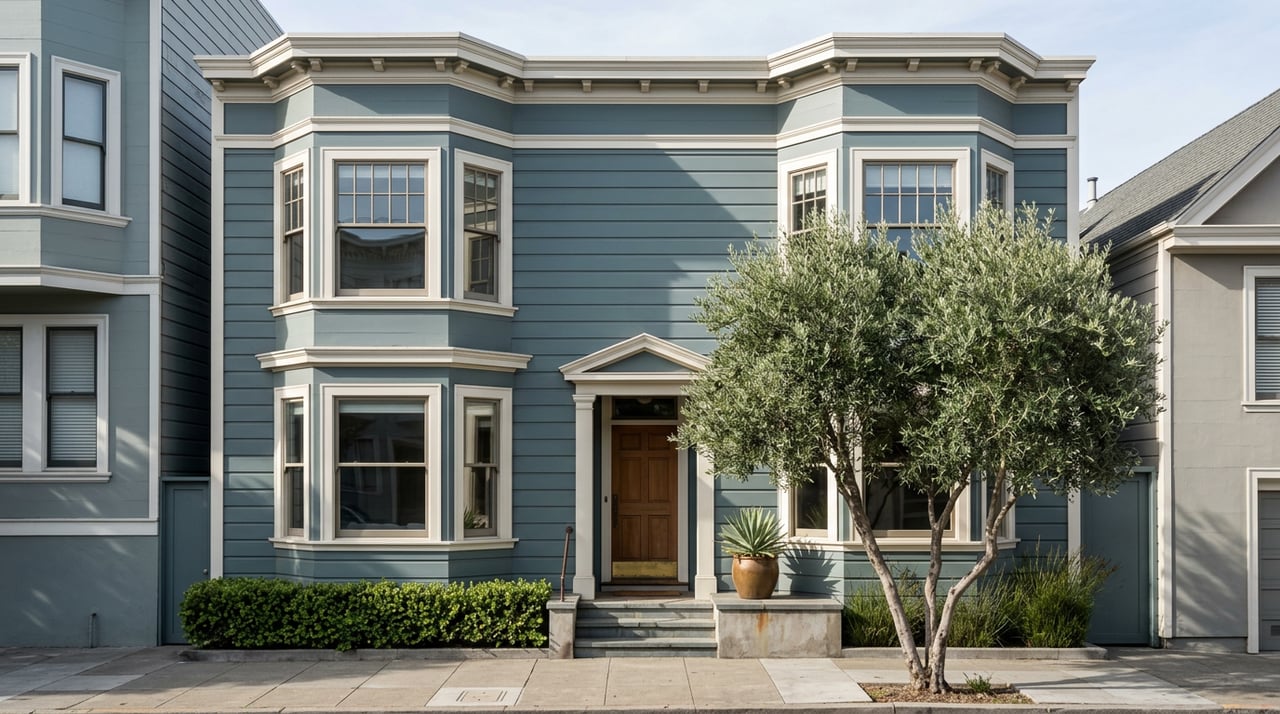
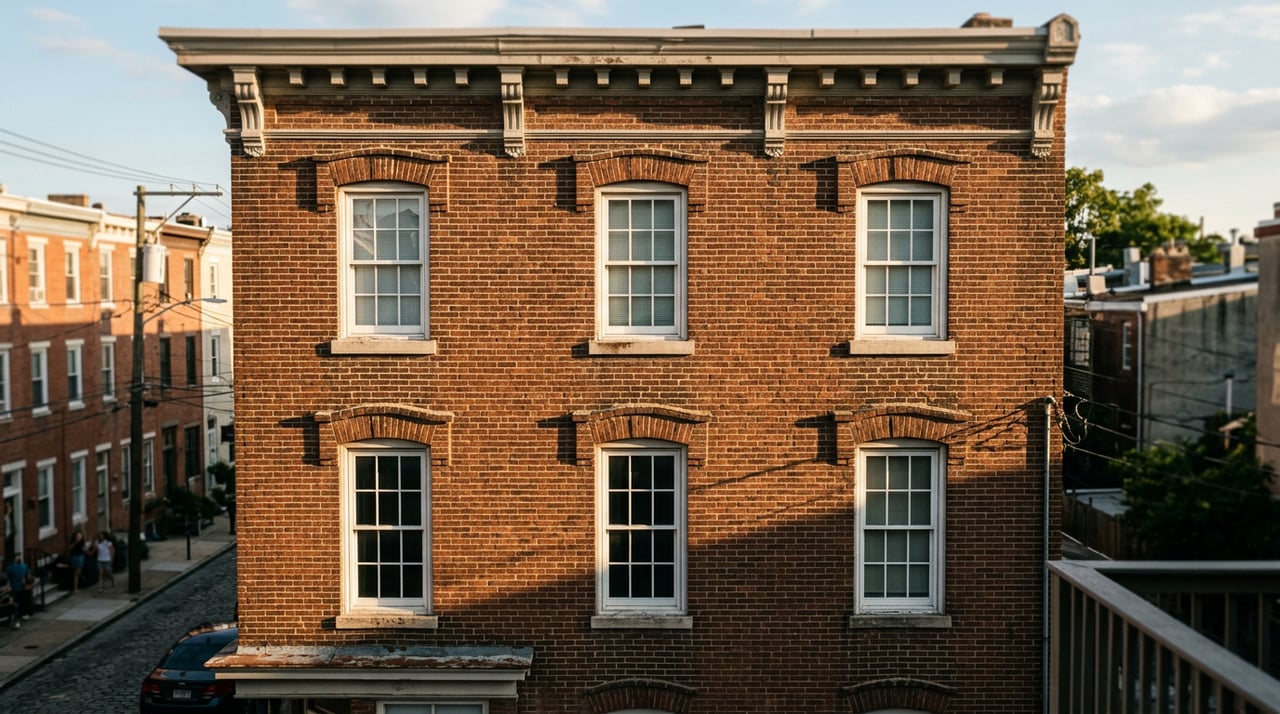
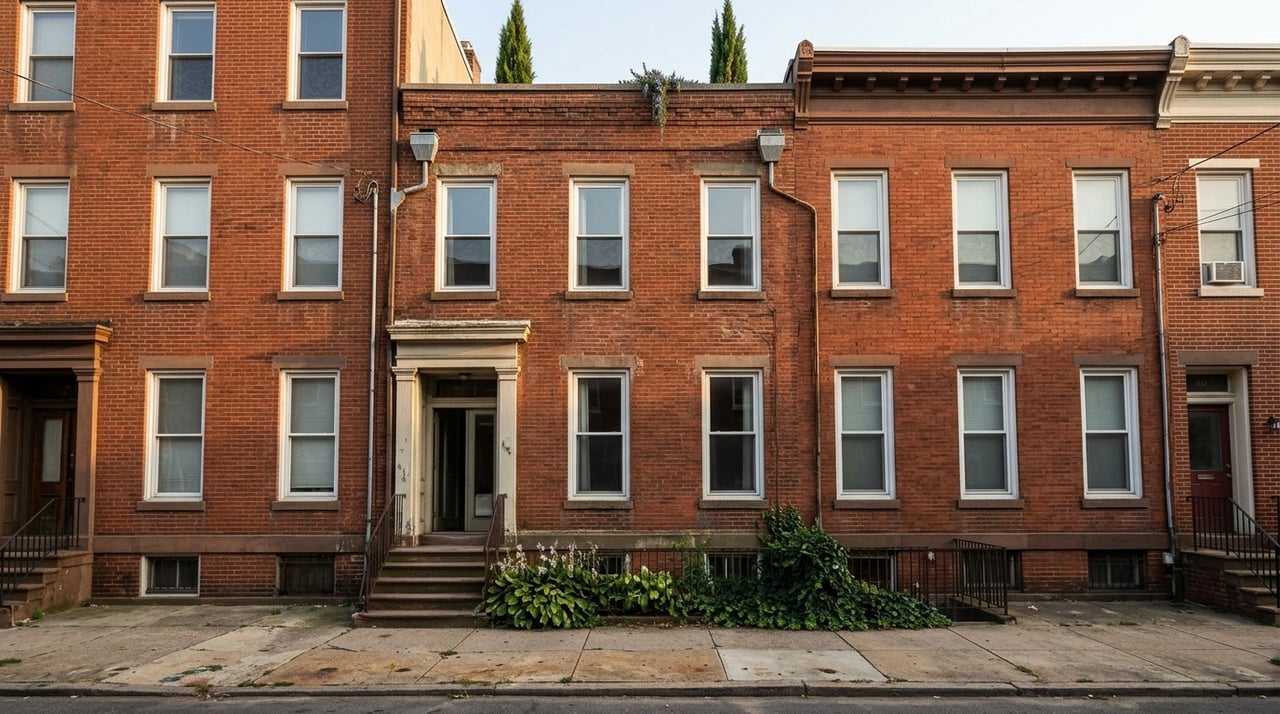
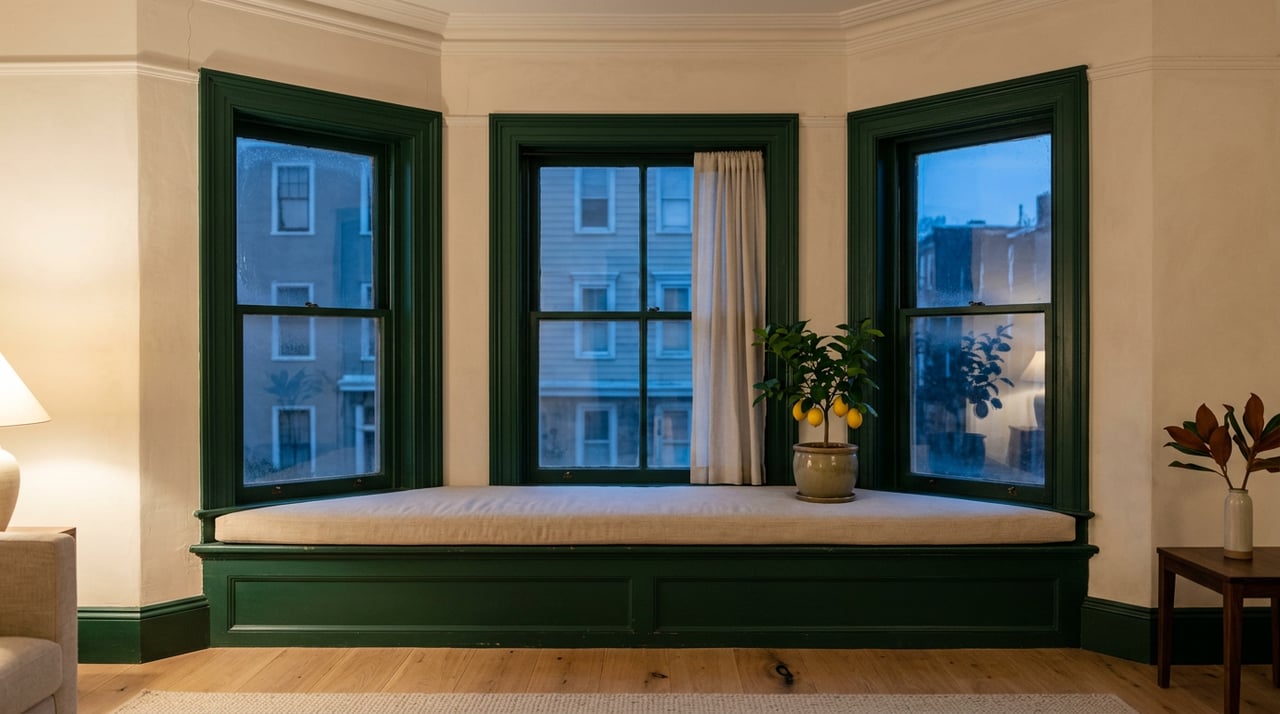
  • Older buildings from the late 19th and early 20th century offer rich character, moldings, bay windows, and tall ceilings, especially in Pacific Heights and parts of Cow Hollow. The trade-off can be older plumbing and electrical, possible knob-and-tube wiring, and soft-story seismic considerations.
  • Mid-century to 1980s buildings, common in the Marina and many Cow Hollow condos, often have more regular floorplans, better systems for their age, and sometimes elevators or garages. Quality varies by developer, and some 1960s buildings may have limited soundproofing.
  • Newer remodels and conversions tend to bring modern systems, better insulation, and contemporary finishes. Inventory is limited and pricing is often at a premium.

Typical footprints and flow

  • One-bedroom condos usually range from 500 to 900 square feet with efficient or open-concept layouts. These work well for single buyers or couples.
  • Two-bedroom units often run from 800 to 1,600 square feet or more. In older buildings, bedrooms may not be en suite and rooms can be arranged along long corridors.
  • Multi-level condos or townhomes are less common but offer more privacy and, in some cases, in-unit garages.
  • Full-floor and luxury units in Pacific Heights offer larger footprints with multiple exposures and formal rooms. These can deliver impressive volume but carry higher maintenance costs.

Access and services

  • Walk-up buildings, common in Cow Hollow and older Pacific Heights stock, have no elevator. Consider stairs, moving logistics, and accessibility needs.
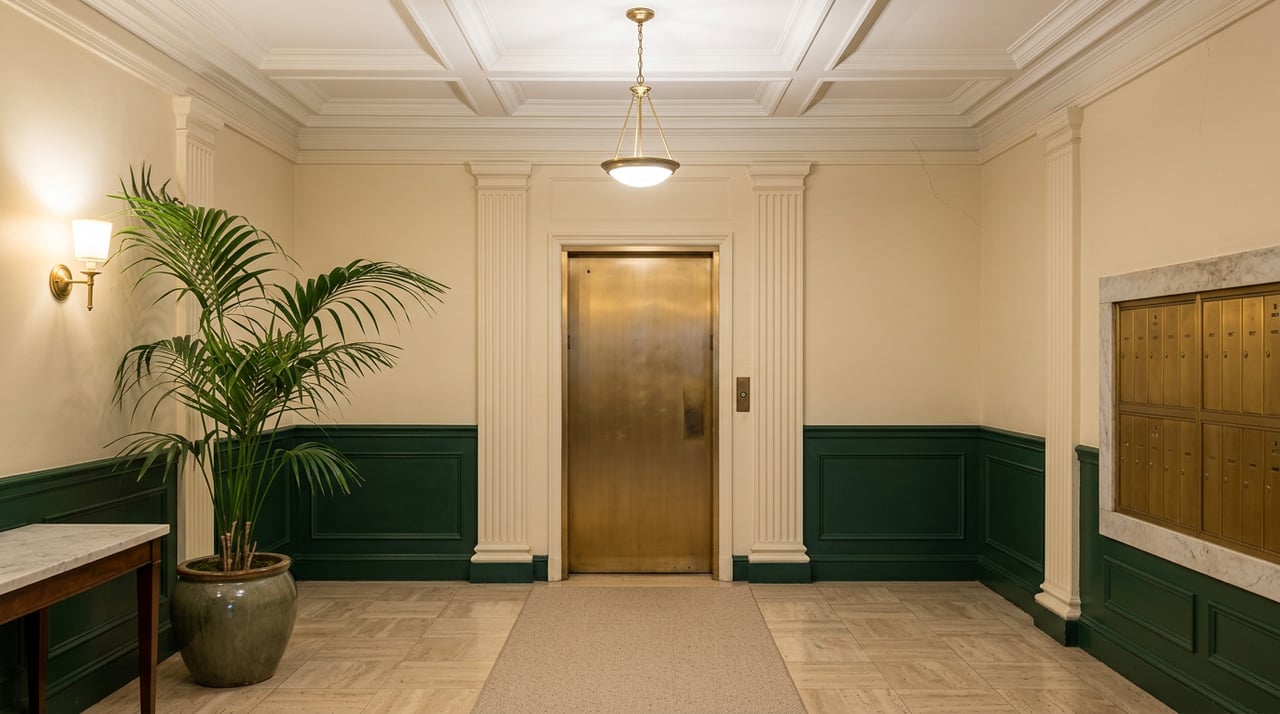
  • Elevator and full-service buildings appear more in mid-rise Marina properties and luxury Pacific Heights conversions. These often have higher HOA dues to cover staffing and service contracts.

HOA expectations and disclosures

What dues typically cover

HOA fees usually reflect common area maintenance, building insurance, reserve funding, utilities like water and garbage, elevator and service contracts, landscaping, pest control, and any staffing. Small walk-ups and conversions tend to have lower dues with minimal services, while full-service luxury buildings charge more for staff and amenities. Exact numbers vary by building and change over time, so use these categories only for orientation.

Your disclosure checklist

Under California’s Davis-Stirling Act, the seller and HOA must provide a resale package that includes budgets, reserve studies, CC&Rs, bylaws, recent meeting minutes, details on assessments, and any pending litigation. Ask for the full package early in escrow so you can evaluate reserves and planned capital projects. The reserve study is critical to spot upcoming roof, exterior, elevator, or structural work.

Red flags to investigate

  • Pending litigation or insurance claims
  • Repeated special assessments or sharp fee increases
  • Strict rental restrictions or short-term rental bans that affect investor plans
  • Low reserves or incomplete financials
  • Pet rules that may not fit your needs
  • Notes on deferred maintenance or unusual reserve fund usage

Parking realities and EV planning

Deeded vs assigned vs tandem

In San Francisco, deeded garage parking is rare and valuable. Assigned spaces are more common and tandem arrangements are widespread. Confirm whether the space is deeded or assigned, its exact dimensions and clearance, and how tandem logistics will work for your household. Expect a notable market premium for secure, in-building parking compared to street or permit-only options.

Street parking and permit zones

Much of the city uses Residential Parking Permit zones. Curb space is in high demand around the Marina, especially on weekends and during peak waterfront activity. Check the permit zone for your block, meter rules, and enforcement patterns so there are no surprises.

EV charging and building capacity

Older garages often lack EV-ready infrastructure. Installing a charger typically requires HOA approval and can involve municipal permits. While state policies encourage reasonable accommodation, each HOA sets procedures and cost-sharing rules based on its electrical capacity. Ask about current EV infrastructure, the application process, and any upgrade plans.

Seismic and garage structures

In older buildings with garages or tuck-under parking, confirm whether soft-story retrofit work has been completed and whether any special assessments were required or are pending. This is a core item to verify through HOA minutes and the city’s permit history.

Views, walkability, and price drivers

Views that command premiums

Bay, Golden Gate, or Presidio views in Pacific Heights and select Marina locations often carry clear premiums because they are scarce. Even partial or framed views can boost buyer interest. Confirm view rights and research nearby development potential so you understand whether a view is likely to remain.

Walkability and amenities

  • Cow Hollow offers standout walk-to-shop and dining convenience along Union Street, which can offset smaller interior footprints.
  • The Marina prioritizes recreation and waterfront access, drawing buyers who value outdoor space over proximity to core transit nodes.
  • Pacific Heights is more residential with access to Fillmore Street and notable institutions. Buyers often pay for location, privacy, and prestige.

Key trade-offs to weigh

  • Walkability vs parking: Highly walkable areas may have limited or variable on-site parking.
  • Views vs interior usability: A stunning view can come with an unusual layout or smaller usable space.
  • Historic charm vs modernization: Character features can mean older systems and ongoing maintenance.

Which pocket fits you

Single professional

You may prioritize transit, Union or Chestnut Street access, and nightlife. Cow Hollow offers top walkability, while the Marina suits outdoor-centric lifestyles. Look for efficient one-bedrooms and be ready to accept stairs or smaller storage.

Couple or growing household

If you need more bedrooms, storage, and reliable parking, Pacific Heights’ larger units and full-floor layouts can fit the bill. Some Marina properties also work well if you want flat terrain and park access. Focus on layout flow and reserve strength for long-term costs.

Downsizer seeking views

If low-maintenance living, elevator access, and views are top priorities, Pacific Heights luxury conversions or full-service buildings can be a match. Expect higher dues that cover staffing and building services.

Car and gear owner

If you sail, cycle, or travel on weekends, the Marina can be ideal if you secure on-site parking and storage. Verify parking type, size, and any EV potential before you write an offer.

Investor buyer

Look closely at rental rules and any caps in the CC&Rs. Units near Union Street and waterfront corridors often see strong tenant demand, but restrictions on short-term rentals are common. Review assessment history and reserves carefully to protect yield.

Step-by-step condo due diligence

  1. Verify neighborhood and ZIP details. Marina, Cow Hollow, and Pacific Heights are commonly associated with 94123, 94115, and parts of 94109. Confirm the precise ZIP and district for comps and disclosures.
  2. Confirm parking. Deeded vs assigned, tandem practicality, dimensions, and any storage or EV capability.
  3. Order the full HOA resale packet early. Review CC&Rs, bylaws, operating budgets, reserve study, minutes, insurance certificates, and any litigation or assessments.
  4. Evaluate reserves and capital plans. Identify upcoming roof, exterior, elevator, facade, or seismic work and how it will be funded.
  5. Check permit history. Look for soft-story retrofits and major plumbing or electrical upgrades in city records.
  6. Inspect unit systems. Plumbing materials, breaker capacity, possible knob-and-tube, window condition, moisture, and sound transmission.
  7. Understand city-level items. Residential Parking Permit zone, meter rules, and any nearby entitlements that could affect views.
  8. Clarify insurance. Confirm building insurance levels and whether earthquake insurance is carried by the HOA or recommended for owners.
  9. Confirm pet and rental policies. Make sure restrictions align with your plans.
  10. Ask about EV readiness. Understand the HOA process, electrical capacity, and costs for charger installation.

ZIPs and boundaries to confirm

The neighborhoods covered here are typically mapped to 94123, 94115, and parts of 94109. The 94102 ZIP generally corresponds to other central San Francisco areas. Always confirm exact neighborhood boundaries and ZIP details for accurate comps, HOA documentation, and permit records.

Next steps

Buying the right condo in these pockets is about balancing lifestyle with the nuts and bolts of buildings, HOAs, parking, and views. A careful review of the resale package, permit history, and parking terms can save you money and stress later. If you want a local, senior-led team to help you compare buildings, read between the lines in HOA documents, and negotiate with confidence, connect with Sage Real Estate. We’ll help you zero in on the right fit and move forward with clarity.

FAQs

How much extra does deeded parking add in these areas?

  • Expect a notable premium for in-building, deeded garage spaces. The exact amount varies by building and market cycle. Compare recent comps with and without parking and confirm deed status versus assigned.

Are older Pacific Heights buildings risky in earthquakes?

  • Some have completed soft-story retrofits, while others may still need upgrades. Check permit records and HOA disclosures. Seismic risk is building specific and earthquake insurance may be advisable.

Can you install an EV charger in a condo garage?

  • Often yes, subject to HOA approval and permits. Building electrical capacity and HOA rules drive feasibility and cost. Ask for the policy and any planned electrical upgrades.

How strict are HOA rental and pet rules in these neighborhoods?

  • Rules live in the CC&Rs and can be strict. Confirm any rental caps, short-term rental prohibitions, and pet policies before you commit.

Do bay or bridge views materially affect condo pricing?

  • Yes. Bay, Golden Gate, or Presidio views often carry clear premiums. Verify whether views are protected and research nearby development that could affect sightlines.

What should I know about walk-up buildings without elevators?

  • Consider accessibility and moving logistics. Dues may be lower given fewer shared systems, but your future resale pool can be narrower due to stairs.

Let's Talk

You’ve got questions and we can’t wait to answer them.