Victorian vs Edwardian: A Pacific Heights Style Guide
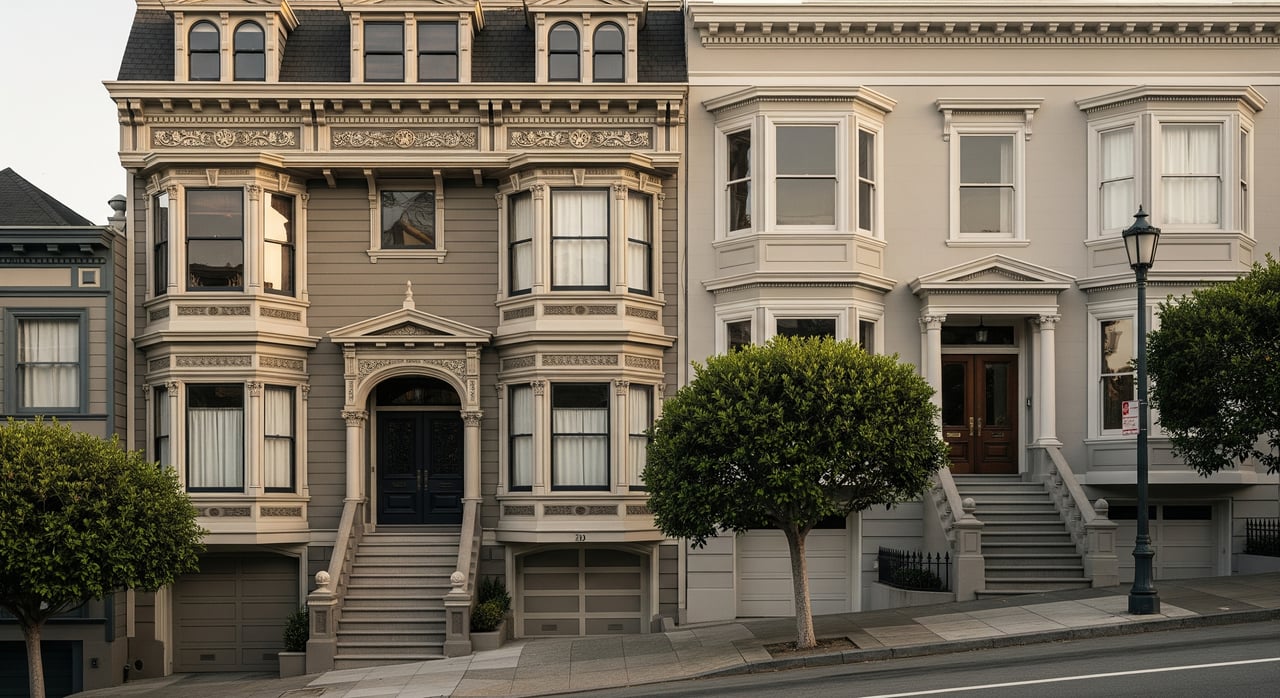
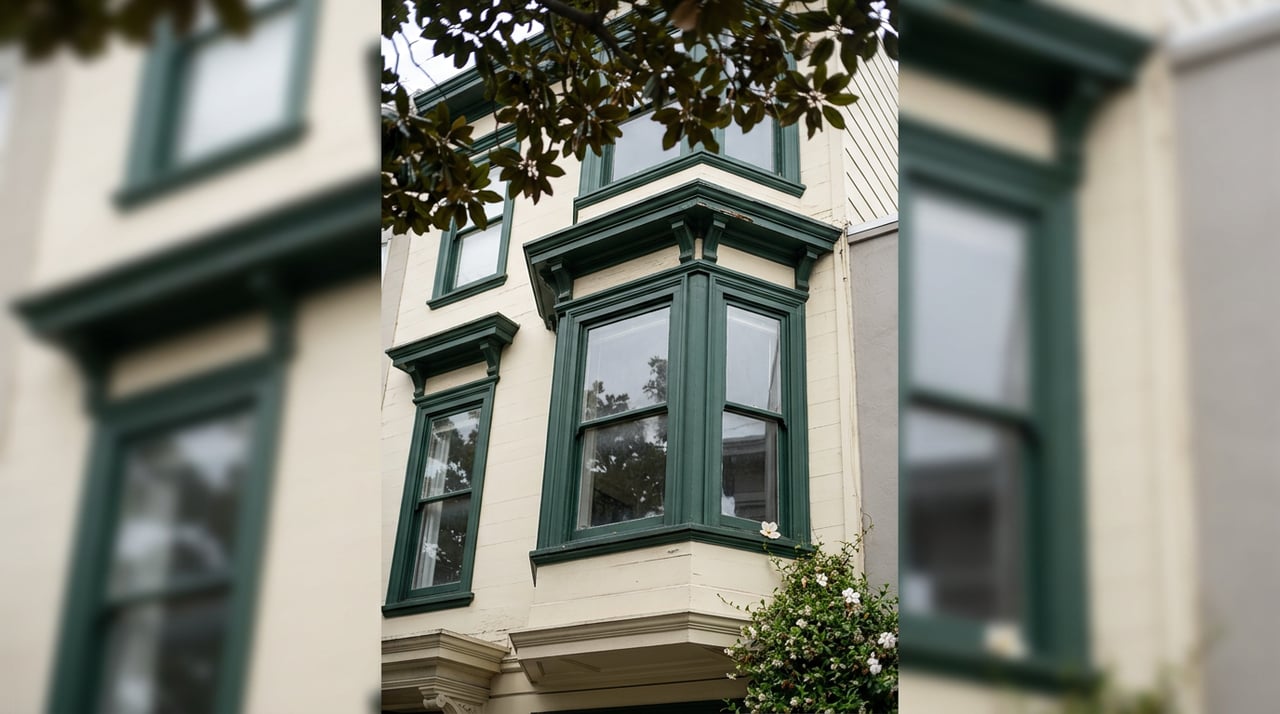
Is that bay-window beauty on a Cow Hollow block a Victorian or an Edwardian? When you are touring homes across Cow Hollow and up the hill into Pacific Heights, the differences can feel subtle at first glance. You want to appreciate the architecture, spot red flags, and make smart decisions about upgrades and permits. This guide gives you a clear way to tell the styles apart, plus practical tips for preservation, renovation, and resale in these San Francisco neighborhoods. Let’s dive in.
Pacific Heights and Cow Hollow grew rapidly between the 1870s and the 1910s. That boom created streets lined with late‑Victorian homes and early 20th‑century Edwardians. The 1906 earthquake and fire reshaped parts of the housing stock, and rebuilding often favored simpler Edwardian detailing.
Transit also mattered. Streetcar and cable car expansion supported row houses and semi‑detached homes on narrow lots. That pattern, layered over hillside streets, shaped the bay windows, raised foundations, and stepped façades you see today.
Victorian styles in San Francisco span roughly the 1870s to 1900. Think ornate trim, varied rooflines, and complex façades. Subtypes include Italianate, Stick, and Queen Anne, but the shared theme is decoration.
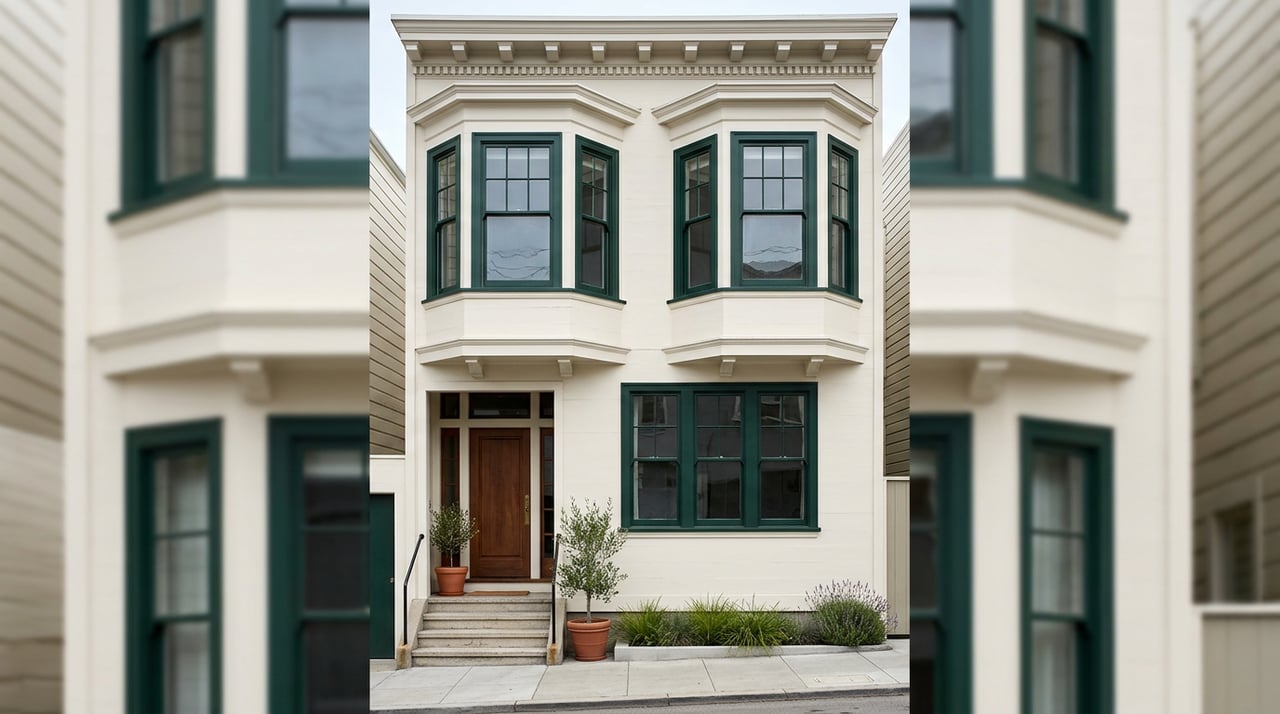
Edwardian homes appear in the early 1900s, especially after 1906. They favor restraint over flourish. Massing is squarer, ornament is simpler, and floorplans tend to be more practical for daily life.
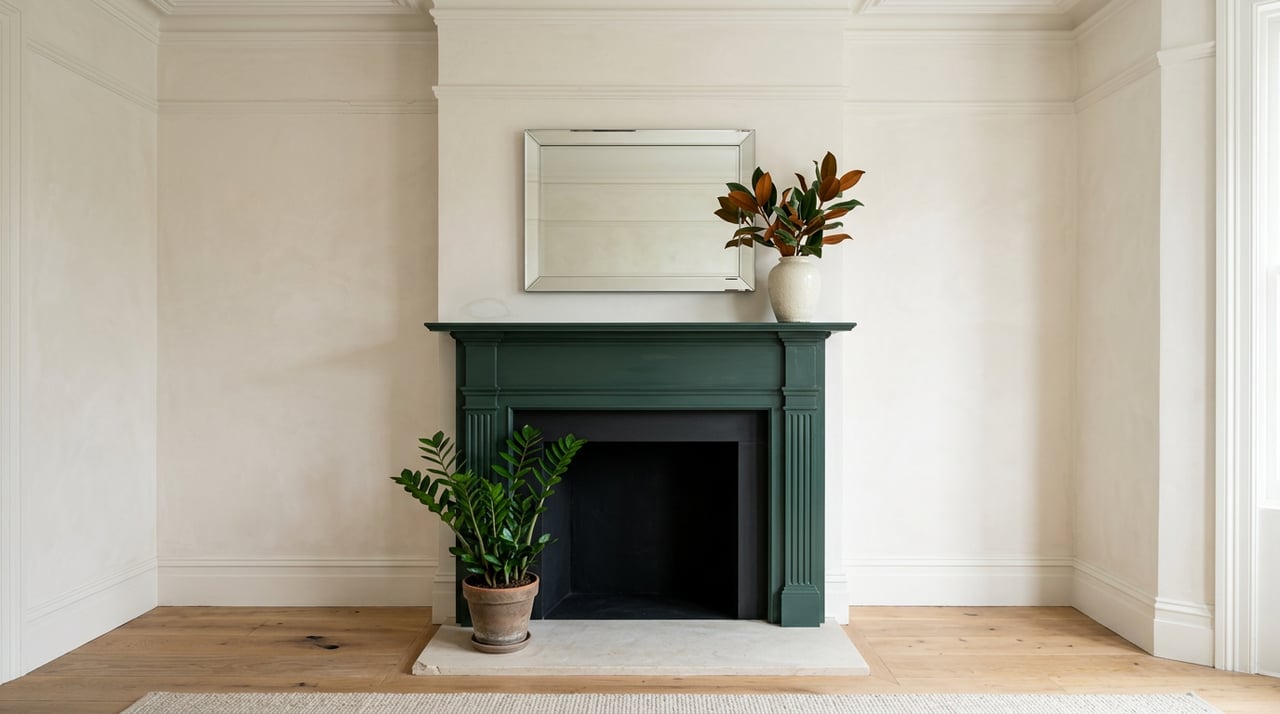
Victorian interiors often include formal parlors and separate small rooms for dining and sitting. You will notice ornate moldings, picture rails, ceiling medallions, and decorative fireplaces. Original kitchens and baths were compact, so many were modernized later.
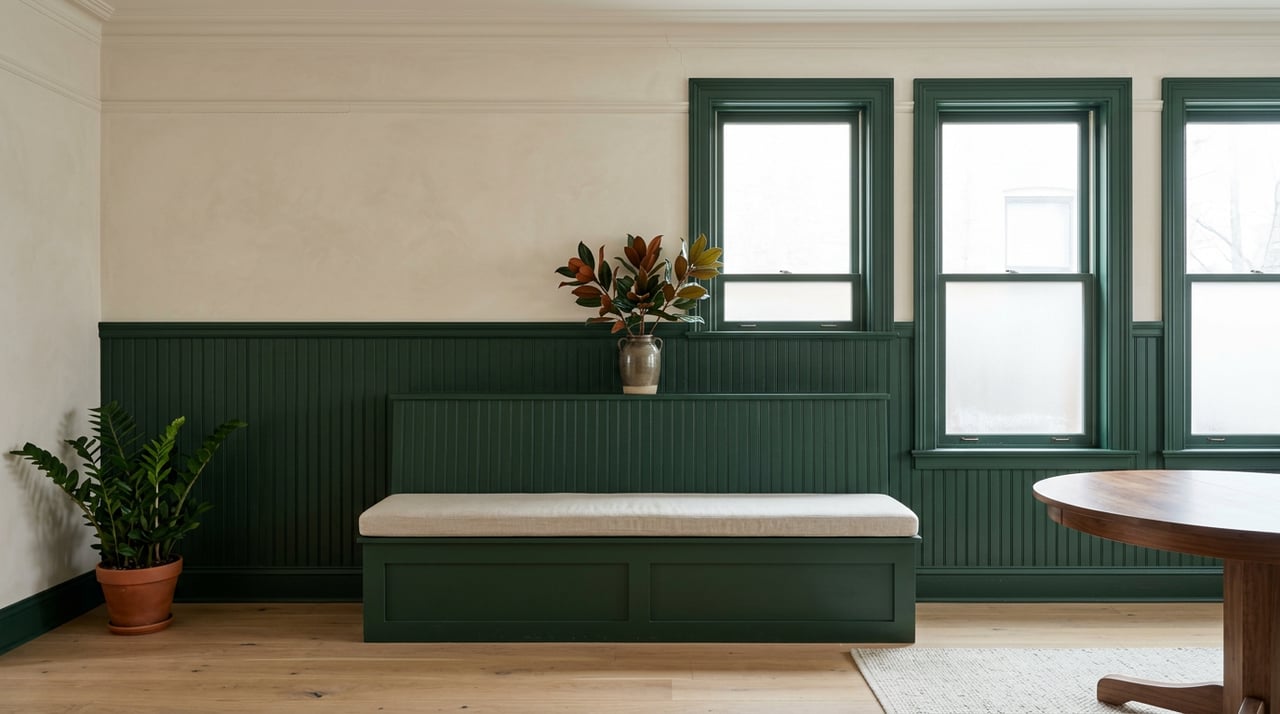
Edwardian interiors shift toward function and light. Rooms are larger and more connected, with bigger window groupings to bring in daylight. Trim is simpler, built‑ins are practical, and kitchens and baths reflect early modern living.
Renovation tends to follow these cues. Victorian woodwork and plaster can be costly to repair or recreate. Edwardian simplicity can make sympathetic updates more straightforward without losing period character.
Before you plan exterior changes or additions, check whether the home is landmarked or in a historic district. The San Francisco Planning Department’s Historic Preservation program can confirm status and explain review thresholds. Most significant exterior work requires permits, and designated properties may need preservation review.
Permits for structural, mechanical, and interior work typically run through the San Francisco Department of Building Inspection. Seismic retrofit, foundation upgrades, and shear wall work are common in San Francisco and can be major cost drivers.
If the property is designated historic, ask about incentives. The California Office of Historic Preservation provides information on the Mills Act, a contract program that can reduce property taxes in exchange for preservation commitments. Eligibility is case‑specific and depends on local participation.
Common materials and issues to plan for:
Energy performance can be improved without losing character. Options include insulation, efficient HVAC, restored windows with weatherstripping, and compatible storm windows.
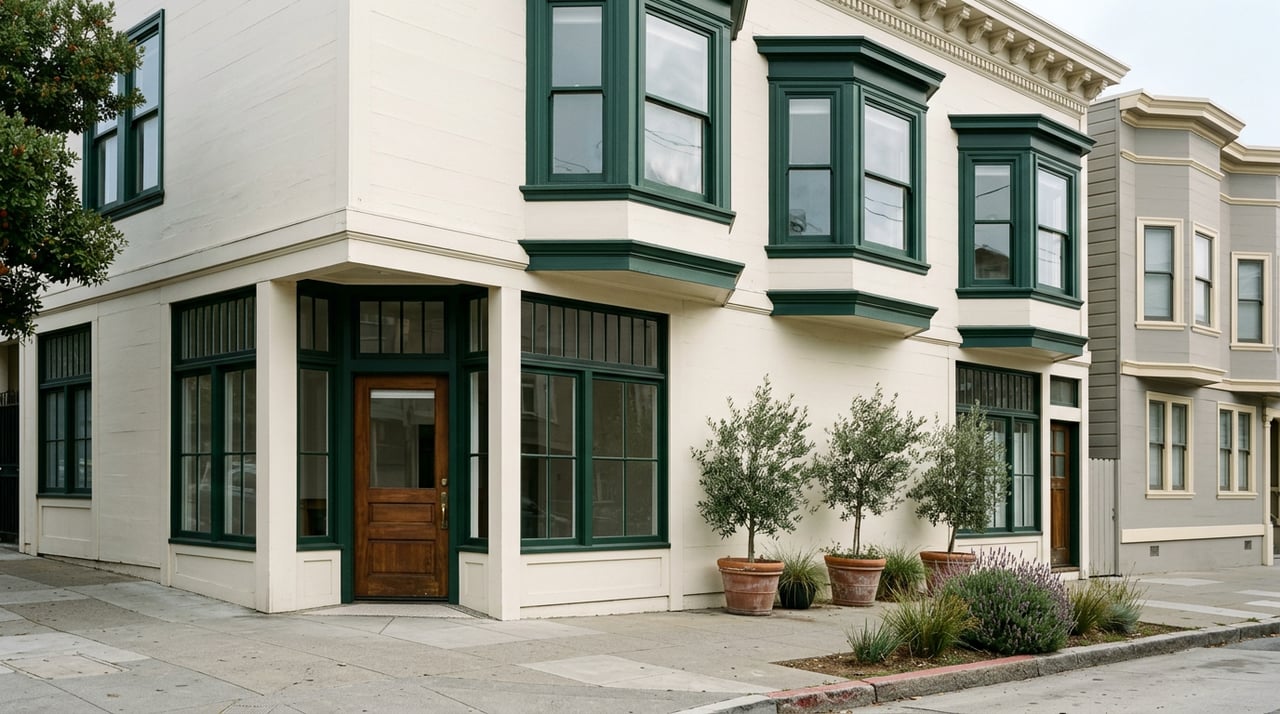
Pacific Heights’ wider lots and hillside siting can frame grand façades, deep bay windows, and formal landscaping. Cow Hollow’s narrower streets often show tighter rows of Victorian and early 20th‑century homes with a more urban feel. Across both areas, you will find layers of remodeling, additions, and roof decks. The amount of visible historic fabric varies block by block.
For a close look at a preserved Victorian, explore the Haas‑Lilienthal House and related resources through San Francisco Heritage. Local walking tours are a great way to sharpen your eye for the details in each style.
Period charm has real pull with San Francisco buyers. Well‑kept Victorian ornament and intact period details can be standout features. Edwardian homes often attract buyers who want character with simpler maintenance and easier updates.
That said, the fundamentals still lead value. Location, views, lot size, permitted additions, and floorplan flexibility usually matter more than style alone. Sound structure and a documented permit history can reduce friction during escrow.
Key due diligence items:
Upgrades buyers commonly appreciate include kitchens and baths updated with respect for original moldings and mantels, better insulation and HVAC, and legally permitted outdoor space or rear additions where allowed.
When you are weighing tradeoffs between authenticity, maintenance, and modern function, a local strategy helps. If you want a plan to evaluate options and market impact across Cow Hollow and Pacific Heights, talk with Sage Real Estate.
Stay up to date on the latest real estate trends.
You’ve got questions and we can’t wait to answer them.