House Hacking 2–4 Units in District 7

What if your home could help pay your mortgage every month? In a city as expensive as San Francisco, house hacking a duplex, triplex, or fourplex can lower your housing cost while you build equity. If you are eyeing 2–4 unit buildings in or around 94102, you are on the right track. This guide shows you how house hacking works here, the rules that matter, and the steps to buy with confidence. Let’s dive in.
Note on “District 7”: People use this label in different ways in San Francisco. In this guide, we focus on the practical steps and rules that apply to 2–4 unit properties in 94102 and central San Francisco. Always verify neighborhood boundaries and parcel details for any address you consider.
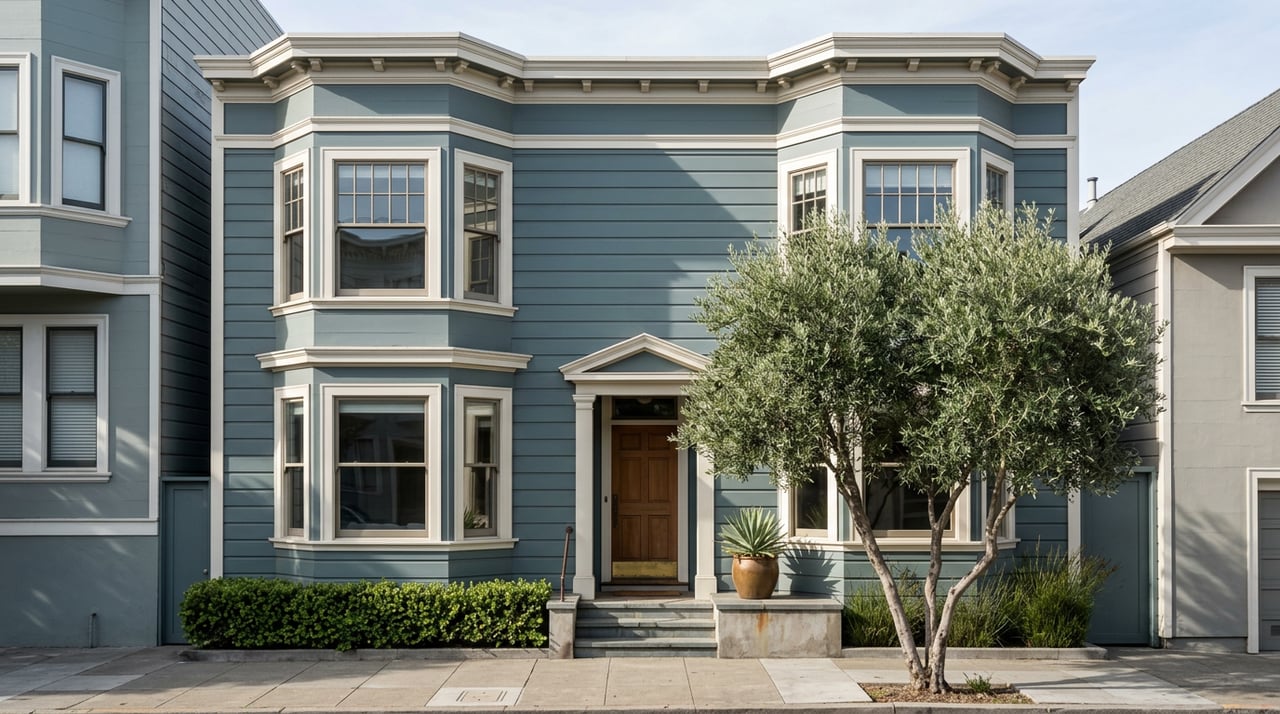
House hacking means you buy a 2–4 unit property, live in one unit, and rent the others. The rent helps cover your mortgage, taxes, insurance, and upkeep. In San Francisco, this approach can make ownership more attainable and offer potential tax benefits. You also keep flexibility to adjust your plan over time.
Common setups include duplexes, triplexes, and fourplexes. You might rent the other units long term or, where allowed, operate a legal short-term rental. Some owners add value by renovating or creating an accessory dwelling unit, if zoning and building rules allow. The key is to confirm what is legal on a specific parcel before you buy.
San Francisco layers state and local rules. Before you write an offer, verify what you can do with the building and how those rules affect your numbers.
First, confirm the legal unit count and land use. Use the city’s Property Information Map to check zoning, prior permits, and recorded data. Multi-family zoning often allows 2–4 units, while some parcels may be limited by use or density. If you want to add a unit, you will need planning and building review. State programs can help, but you still must meet local standards.
Many multi-unit buildings built before June 13, 1979 are generally covered by rent control. The rules limit most annual rent increases and require just cause for evictions. Review the San Francisco Rent Ordinance and unit registration requirements with the San Francisco Rent Board. If you plan to move into a tenant-occupied unit or renovate, talk with an attorney and the Rent Board first. Relocation payments and strict notice rules may apply.
San Francisco strictly regulates short-term rentals. Whole-unit rentals are limited and typically require that the property be your primary residence, plus registration, tax collection, and reporting. Review current requirements through the city’s short-term rental program before you count on nightly income in your model.
If you plan to convert space to a new unit, change use, or complete major renovations, expect to work with the San Francisco Department of Building Inspection. Seismic, egress, fire separation, and utility upgrades are common requirements. The city has a mandatory retrofit program for buildings with soft-story conditions. Learn more through the DBI’s Mandatory Soft Story Program and include retrofit costs in your budget.
San Francisco’s real property transfer tax is progressive and based on the sale price. Clarify who pays this tax in your purchase agreement and estimate property taxes after reassessment. You can find details at the Office of the Treasurer & Tax Collector’s page on Real Property Transfer Tax.
Owner-occupants have several financing paths for 2–4 unit purchases. The right choice depends on your down payment, income, and property type.
FHA allows owner-occupied 2–4 unit purchases with low down payment options for qualified borrowers. Lenders can count a portion of rental income from the other units when you qualify. Review program basics through HUD’s FHA resources, then confirm current requirements with your lender.
Eligible veterans may use VA financing for a 2–4 unit property they occupy. VA loans can offer favorable terms, but you must meet occupancy and appraisal guidelines. Learn more through the U.S. Department of Veterans Affairs home loan program.
Conventional financing is available for 2–4 unit buildings. Down payment and reserve requirements are often higher than for single-family homes, and they vary by unit count and your profile. For general guidance, review the Fannie Mae Selling Guide and speak with your lender about current loan-to-value limits and underwriting standards.
Some local banks and credit unions offer portfolio loans for 2–4 unit properties. These can be flexible, but terms vary. A strong preapproval will help you write a competitive offer.
Lenders may use projected or current rents from the other units in your debt-to-income calculation. Expect to document leases or market rent estimates as your lender requests. Most low-down programs require you to occupy one unit, often within about 60 days after closing. Discuss any plans to renovate before move-in with your lender so you can set correct expectations.
For multi-unit owner-occupied buildings, ask your insurer about a landlord policy with dwelling coverage, liability, and loss-of-rents coverage. Premiums can be higher for older buildings or those that need seismic upgrades. For taxes, rental income is taxable, but many expenses are deductible. Depreciation applies to the rental portion. Short-term rental income may also trigger local business registration and transient occupancy taxes. Talk with a CPA about how to track income and expenses from day one.
Build a simple, conservative model to decide what works for you. Include:
Run best case, base case, and low case scenarios. If you are considering a legal short-term rental, build a separate model with realistic occupancy and compliance costs.
A careful pre-offer review helps you avoid surprises after closing. Use this checklist:
California has expanded the ability to add accessory dwelling units. The state provides guidance to help cities implement ADU rules with objective standards. Explore the state’s overview through the California Department of Housing and Community Development. In San Francisco, your project still goes through planning and building review, so outcomes vary by parcel. Always confirm feasibility before you count new rent in your plan.
Many owner-occupants self-manage to keep costs down. You will handle leasing, repairs, and tenant relations. If you prefer a hands-off approach, plan for professional management fees that reduce your net income. Either way, set clear processes for maintenance, communication, and rent collection. Good systems keep your building running smoothly and protect your time.
If house hacking in 94102 or central San Francisco is on your mind, you do not have to figure it out alone. Our team guides you through zoning checks, rent control questions, financing strategy, and a clear path to closing. Talk with Sage Real Estate to map your buying plan and start touring the right buildings.
Stay up to date on the latest real estate trends.



You’ve got questions and we can’t wait to answer them.