Pre-Listing Inspections for San Francisco District 7 Sellers
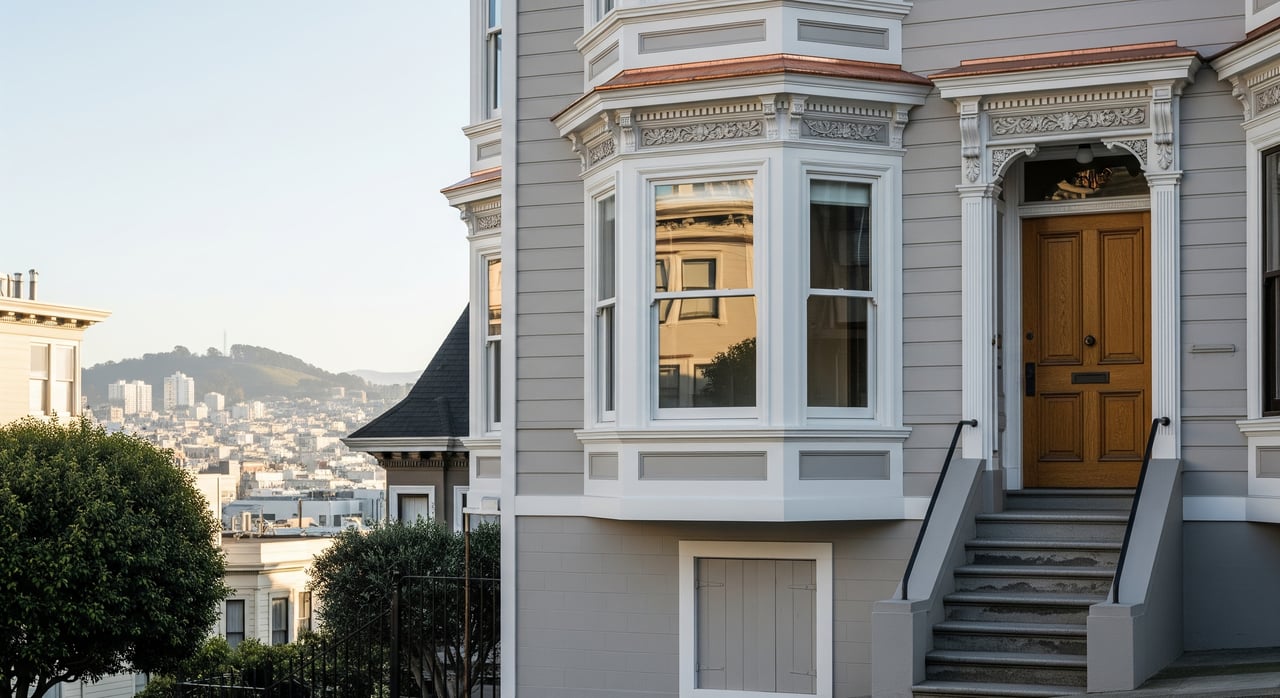
Thinking about listing your District 7 home and want fewer surprises once you accept an offer? In San Francisco, buyers still inspect, older buildings hide issues, and local rules can affect your closing timeline. A smart pre-listing inspection plan helps you set expectations, protect your price, and move through escrow with confidence. In this guide, you will learn which inspections matter most in San Francisco, what they cost, and how to sequence them for a smooth sale. Let’s dive in.
Pre-listing inspections give you clarity before buyers step in. You learn about material defects, maintenance items, and any unpermitted work so you can decide whether to repair, price accordingly, or disclose with confidence. In San Francisco’s competitive market, strong reports can boost buyer trust, reduce last-minute concessions, and shorten escrow.
Typical benefits include:
Start with the primary inspections that cover the most ground, then layer in specialized evaluations based on the home’s age, location, and visible conditions.
A comprehensive, visual review of structure, roof, electrical, plumbing, HVAC, insulation, ventilation, and built-in appliances. In San Francisco, this often reveals older electrical systems, moisture intrusion, and undocumented renovations. Red flags can include knob-and-tube wiring, visible foundation movement, and active water intrusion.
A camera inspection of the sewer line from the home to the main. Older urban lines are prone to breaks and root intrusion, and buyers or lenders often ask for this report. Review current sewer lateral compliance with the San Francisco Public Utilities Commission to understand certification and repair requirements before close.
A licensed inspection for termites and wood rot that can undermine framing and decks. Many lenders expect a WDO report and may require clearance. The report will include treatment and repair recommendations that you can price and disclose.
Flat and low-slope roofs are common in San Francisco, where ponding water and failed flashings can lead to leaks. An inspection can identify membrane issues, failing skylights, and chimney concerns so you can address them upfront.
Older panels, mixed wiring types, or a lack of GFCI protection can trigger safety and insurance concerns. Likewise, older galvanized supply lines corrode and restrict flow. A focused electrical and plumbing review clarifies upgrade scope and costs.
If your property sits on a slope, shows signs of settlement, or includes retaining walls, consider a structural or geotechnical evaluation. Steep terrain and older foundations are common in San Francisco. Early insights help you plan drainage improvements, stabilization, or repair bids.
If you see staining, smell musty odors, or have a history of leaks, targeted moisture testing or sampling can clarify the extent of any issue. Guidance from the Centers for Disease Control and Prevention on mold can help frame next steps and health considerations.
Many San Francisco homes predate 1978. While testing is optional, targeted sampling can help you plan safe renovations and disclosures. Review federal guidance on lead-based paint safety from the EPA if your home has older finishes or if recent work may have disturbed painted surfaces.
Service inspections confirm safe operation and identify carbon monoxide risks, draft issues, and maintenance needs. Gas appliances and older fireplaces deserve a careful look before listing.
Improper grading, clogged gutters, and soil contact with wood can invite moisture and pests. A simple exterior check can uncover entry points and prevent future damage.
For condos and multi-unit buildings, obtain the HOA resale package and relevant engineering reports. Review reserve studies, meeting minutes, and pending or recent special assessments. Building-level conditions such as exterior maintenance or roof work can impact buyer decisions and lending.
San Francisco’s seismic programs affect certain multi-unit and soft-story buildings. Confirm compliance certificates and any outstanding work with the San Francisco Department of Building Inspection. Local seismic expectations also reinforce the value of an earthquake-conscious inspection. For broader context, explore USGS earthquake hazards.
California and San Francisco have specific disclosure and compliance items to review. Confirm current requirements with the appropriate agencies and gather documents early.
A clear plan keeps your pre-listing phase efficient and focused.
Costs vary by property and vendor. Get two or three local quotes for each service.
Pick professionals with the credentials and local experience to evaluate San Francisco building types.
Not every problem needs fixing before market. The right approach depends on cost, timeline, and buyer expectations.
Use this list to organize your pre-market file and streamline disclosures.
Your inspection plan should match your property type, age, and location in the city. With a thoughtful sequence, you can surface issues early, protect your pricing strategy, and keep buyers focused on value instead of surprises. If you want help prioritizing inspections, vetting vendors, and packaging disclosures for a strong launch, our San Francisco team is ready to step in.
Have questions about timing, costs, or which inspections fit your property? Connect with Sage Real Estate to plan a pre-listing strategy that supports a faster, cleaner close.
Stay up to date on the latest real estate trends.


You’ve got questions and we can’t wait to answer them.