Leave a Message

Thank you for your message. We will be in touch with you shortly.

What Is a TIC? A District 7 Buyer’s Guide

What Is a TIC? A District 7 Buyer’s Guide

Thinking about buying in Cow Hollow and keep seeing “TIC” in the listing notes? You are not alone. Tenancies in common can open doors to great District 7 locations, but they come with rules, financing quirks, and a few extra steps. In this guide, you will learn what a TIC is, how it compares to condos and co‑ops, how financing and insurance work in San Francisco, and what to check before you write an offer. Let’s dive in.

TIC basics: what you actually own

A tenancy in common, or TIC, is a way for two or more people to own the same property as undivided fractional interests. You own a percentage of the whole property, and your right to occupy a specific unit is defined by the TIC agreement, not by a separate condo deed.

The TIC agreement is the governing document. It sets out voting rules, how expenses are shared, what happens if someone defaults, who can lease and for how long, and the process for selling. By default there is no right of survivorship, which means your share passes according to your will or trust. Interests are generally sellable, subject to any transfer rules, approvals, or rights of first refusal in the agreement.

TIC vs condo vs co‑op

  • Condo: Each home has its own recorded deed, and common areas are shared. Financing and title insurance are usually more standardized.
  • Co‑op: A corporation owns the building. You own shares and receive a proprietary lease. Financing and governance are very different.
  • TIC: You have more individual control than a co‑op but without separate condo title. Financing and title processes can be more complex than for condos.

For Cow Hollow buyers, the practical takeaway is simple. TICs can offer access to prime District 7 locations and charming pre‑war buildings, but you need to understand the agreement and line up the right lender and title company early.

Why TICs show up in Cow Hollow

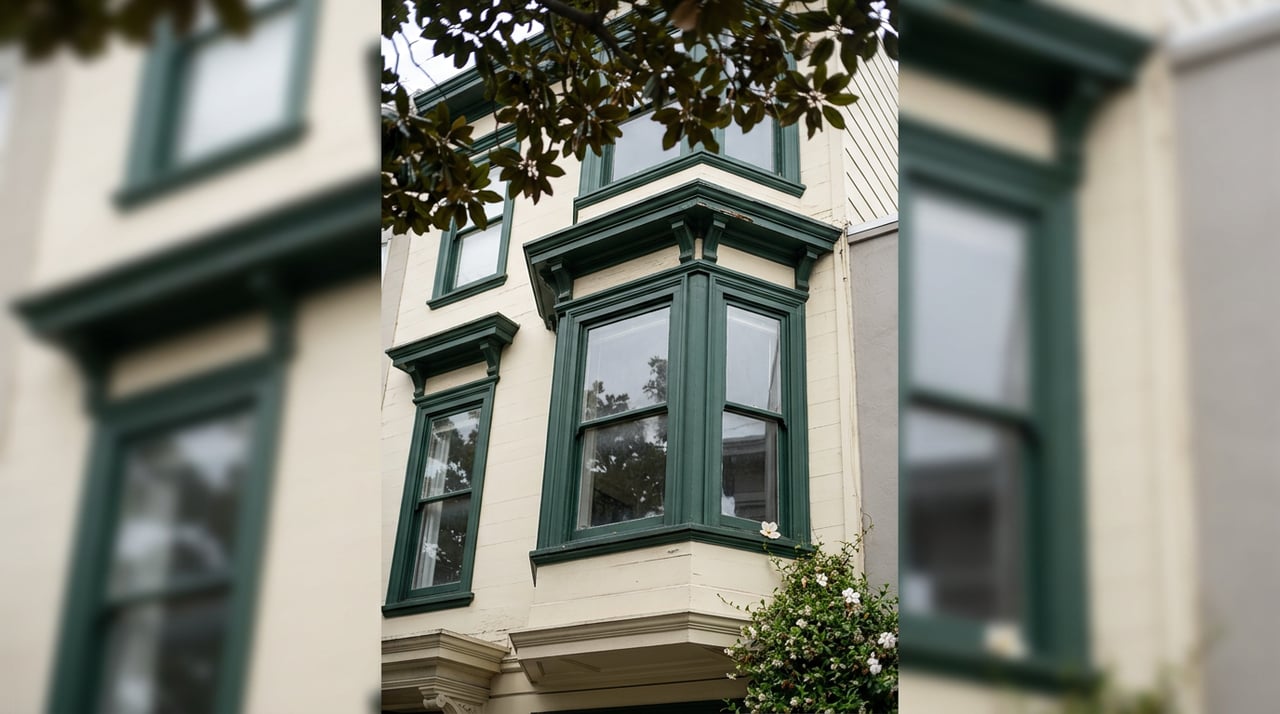
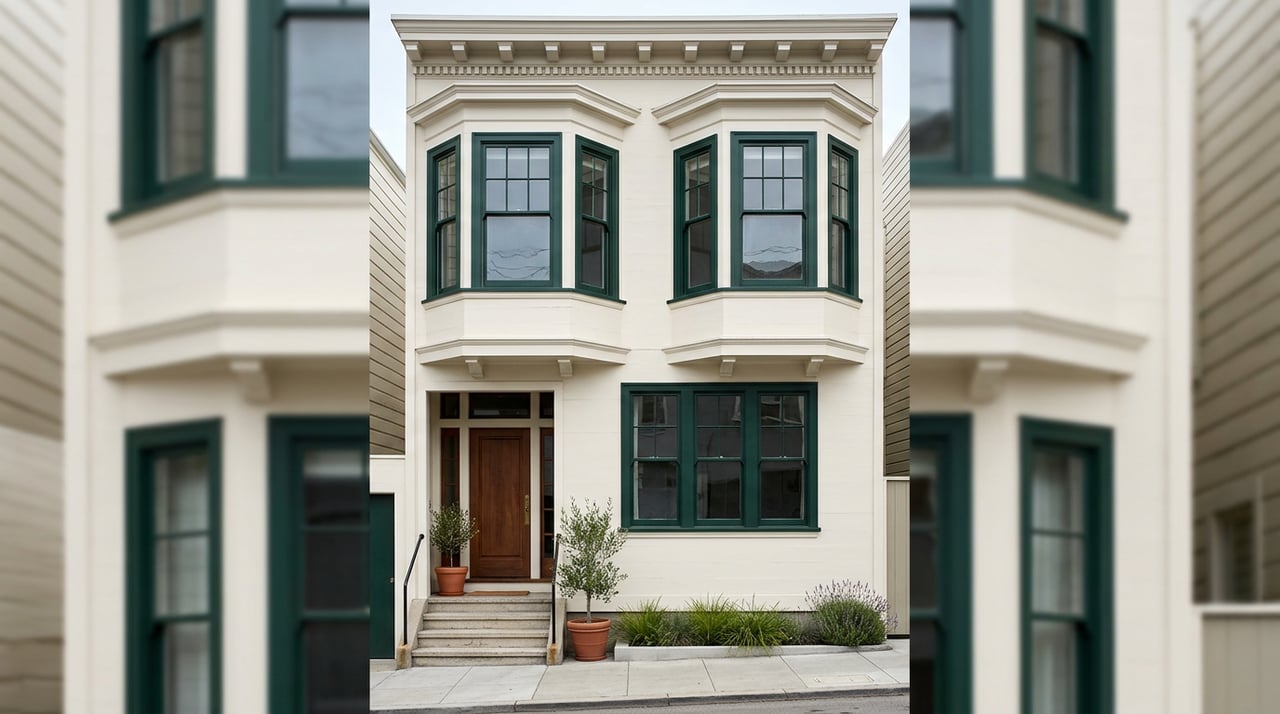
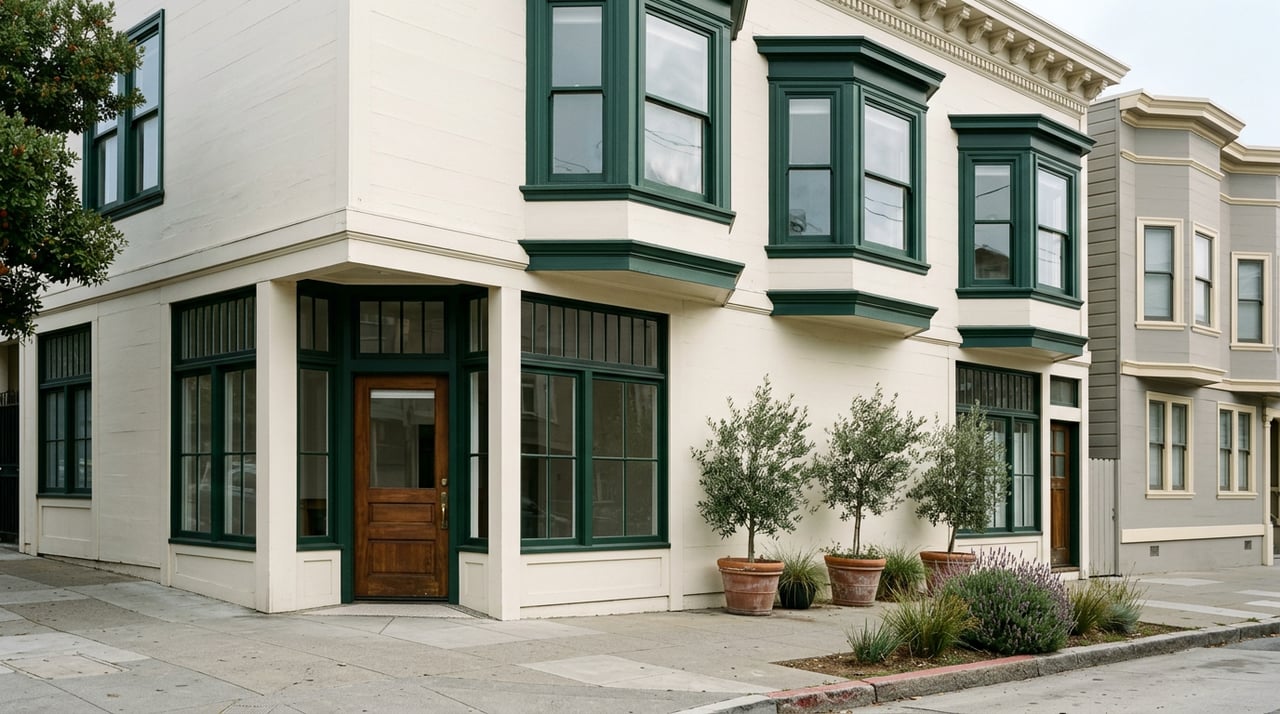
San Francisco has used TICs for decades, especially in neighborhoods with older, smaller multi‑unit buildings like Cow Hollow, the Marina, and Pacific Heights. Many are two to four unit walk‑ups, often Victorian or Edwardian, with shared utilities and unique parking or storage arrangements. Some TICs were created as an alternative to condominium conversion. While many have since converted, plenty remain in District 7.

Local rules you should know

Cow Hollow buildings are subject to San Francisco’s building and safety codes. Seismic retrofit and soft‑story requirements, permits for alterations, and any open code violations can impact your budget and timeline. If you plan to lease or if any units are tenant occupied, local tenant protections and state landlord‑tenant law may apply. If co‑owners later consider condominium conversion, specific city procedures and policies will govern the process.

A good first step is to confirm the building’s permit and inspection history with the San Francisco Department of Building Inspection and to understand tenant protections through the San Francisco Rent Board. Your agent can help you gather the right records and point you to the proper agencies.

Financing and insurance in SF TICs

Financing and insurance for TICs work differently than for condos. Plan ahead, since lender and underwriting requirements vary.

Lender availability and underwriting

Fewer mainstream lenders offer TIC loans. Those that do often require stronger credit, proof of reserves, and a full review of the TIC agreement, budget, meeting minutes, and any owner delinquencies. Many lenders also require that at least one owner occupy the building.

Loan structure and terms

Many TIC loans are made to individual co‑owners and secured by that owner’s undivided interest. Some programs ask for cross‑defaults or co‑signers, while others do not. Terms can include larger down payments and higher interest rates compared to similar condos. Always confirm a specific lender’s program early and get written guidance on how the TIC’s transfer and default provisions affect your loan.

Title and escrow

Title companies treat TICs differently than condos. Expect a detailed review of the TIC agreement and recorded documents. Some coverage may be limited unless certain issues are resolved. Escrow can take longer because lenders, title, and sellers often need more documents. Choose a title and escrow team with TIC experience to keep your timeline on track.

Insurance essentials

Many TICs carry a master property policy with endorsements that name owners as insureds or loss payees. Earthquake coverage is not standard, so check whether it exists and at what limits. Your lender may require evidence of master policy limits and specific endorsements. Confirm what the master policy covers and what you need to insure separately.

Tax considerations

Your property tax basis and the potential for reassessment depend on how the transfer is structured. Consult a CPA or tax attorney for parcel‑specific advice, especially if you are considering a 1031 exchange or complex vesting.

Due diligence: a District 7 buyer’s checklist

Before you remove contingencies, request and review:

  • Recorded TIC agreement and amendments. Confirm voting thresholds, transfer approvals, rights of first refusal, buyout and default remedies, and how capital projects and assessments are decided and allocated.
  • Recorded deeds and vesting for all co‑owners.
  • Operating budget and recent financials. Look at current and projected expenses, reserve balance, and whether owner contributions align with reality.
  • Meeting minutes for the past 12 to 24 months. Watch for recurring disputes, deferred maintenance, and planned capital projects.
  • Owner ledger or delinquency report. Identify any owners behind on payments or involved in litigation.
  • Preliminary title report. Review exceptions, liens, and open items. Confirm that the title company will issue a policy for your undivided interest and note any exclusions.
  • Financing pre‑approval from a TIC‑familiar lender. Share the TIC agreement and budget early to avoid surprises.
  • Insurance binders and policy documents. Confirm coverage, limits, deductibles, and whether earthquake insurance is in place or required by your lender.
  • Inspections. Order a general home inspection for the unit and common areas, a pest inspection, and, if applicable, seismic and soft‑story evaluations. Add roof, mechanical, plumbing, and electrical inspections where systems are shared.
  • Permits and compliance. Pull recent permits and check with the San Francisco Department of Building Inspection for open violations or required work.
  • Tenant and occupancy records. If any units are leased, review leases, deposits, move‑in records, and correspondence relevant to rights and obligations.
  • Consistency across documents. Verify that deeds, the TIC agreement, parking and storage allocations, and budgets match what is being sold.
  • Litigation and claims history. Ask about pending lawsuits involving the TIC entity or any co‑owner that could affect the property.
  • Resale mechanics. Review notice requirements, approval timelines, and any buy‑sell provisions that affect your ability to sell later.

Risks and red flags to watch

TICs can work well for Cow Hollow buyers, but awareness is key.

Common risks include limited lender options, higher loan costs, governance disputes, delinquent co‑owners, title or insurance gaps, and city‑required upgrades that lead to assessments. You should flag immediately:

  • Little to no reserve funds in the budget.
  • Recent or pending litigation tied to construction issues, partition actions, or foreclosures.
  • Transfer rules that require lengthy approvals or undisclosed buyout obligations.
  • Multiple delinquent owners or a pattern of special assessments.
  • An unrecorded TIC agreement or vague language about capital projects, assessments, and default remedies.

Protections you can negotiate

You can often improve your position with targeted terms:

  • Escrow holdbacks for identified repairs, or seller completion of work before closing.
  • Clear seller representations and disclosures covering assessments, delinquencies, litigation, and known code issues.
  • Financing contingency tied to lender approval of the specific TIC structure and your program.
  • Seller payoff of outstanding delinquencies or liens at close, possibly with escrowed funds.
  • A requirement that the title insurer issue a policy for your interest subject only to standard exceptions.

Closing, occupancy, and resale

TIC escrows often take longer, since lenders, title, and sellers must coordinate more documents. Plan your move accordingly. Occupancy and subletting are governed by the TIC agreement. Some TICs restrict rentals or require certain owner‑occupancy percentages. If a unit is tenant occupied, local tenant protections may apply.

On resale, TICs generally have a smaller buyer pool than condos. Your next buyer will care about financing options, the health of the budget and reserves, and the clarity of the TIC agreement. Keeping records, maintaining reserves, and addressing deferred maintenance will support future value.

Step‑by‑step action plan for Cow Hollow buyers

  • Engage an agent with District 7 TIC experience.
  • Speak with a TIC‑savvy lender early and obtain a written pre‑approval that references the TIC’s structure and required documents.
  • Have a real estate attorney review the TIC agreement, recorded deeds, and any amendments before you remove contingencies.
  • Order comprehensive inspections, including seismic and soft‑story checks, and gather the TIC’s budget, minutes, and owner ledger.
  • Confirm title insurance coverage for your undivided interest and resolve any exceptions before closing.

Work with a local team you trust

Buying a TIC in Cow Hollow is more nuanced than buying a condo, but with the right plan you can secure a great home in a prime District 7 location. A senior‑led, process‑driven team can quarterback your lending, title, insurance, and due diligence so you move forward with confidence. If you want clear communication and steady guidance from offer to close, connect with Sage Real Estate to map your next steps in Cow Hollow.

FAQs

What is a TIC in San Francisco?

  • A tenancy in common is shared ownership of one property by multiple people as undivided interests, with occupancy rights and rules set by a TIC agreement instead of separate condo deeds.

How does TIC financing differ from condos?

  • Fewer lenders offer TIC loans, underwriting is stricter, down payments and rates can be less favorable, and lenders closely review the TIC agreement, budget, reserves, and owner delinquencies.

What should I review in a TIC agreement before buying?

  • Focus on voting thresholds, transfer approvals, rights of first refusal, how assessments are decided and allocated, default remedies, and any restrictions on leasing or occupancy.

Are TICs common in Cow Hollow and District 7?

  • Yes, TICs are common in District 7’s smaller two to four unit buildings, often Victorian or Edwardian, and remain prevalent even though some have converted to condos over time.

Can a TIC convert to a condo in San Francisco?

  • Possible in some cases, but it depends on city procedures, costs, and any tenant protections, so co‑owners must follow formal planning and conversion rules.

How do insurance policies work for TICs?

  • Many TICs carry a master property policy naming owners as insureds or loss payees, but earthquake coverage is not standard, so verify limits, deductibles, and endorsements.

What are the biggest risks with TICs for buyers?

  • Limited lender options, governance disputes, delinquent owners, title or insurance gaps, and city‑required upgrades that may trigger special assessments.

How long does a TIC escrow take compared with a condo?

  • It often takes longer, since lenders, title companies, and sellers need more documents and reviews, so plan for added time in your closing timeline.

Let's Talk

You’ve got questions and we can’t wait to answer them.