The NOPA Duplex That Looks Like Every Other NOPA Duplex Isn't Worth the Same Amount
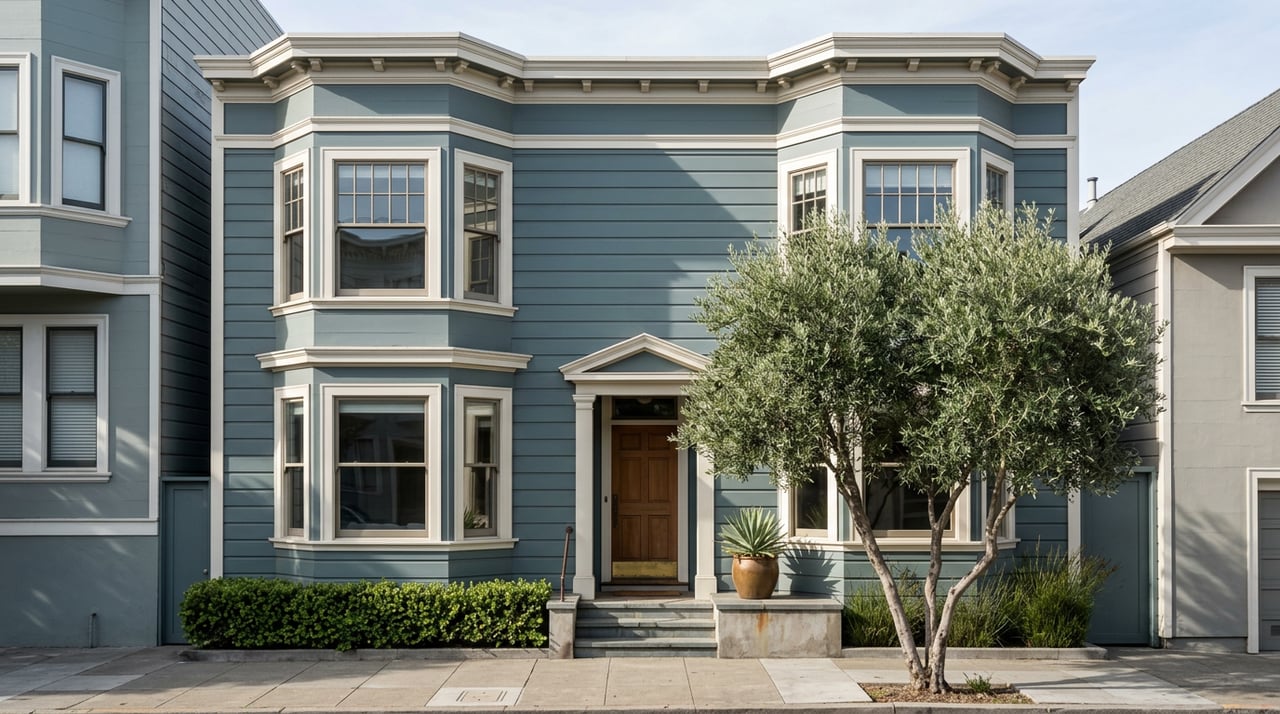
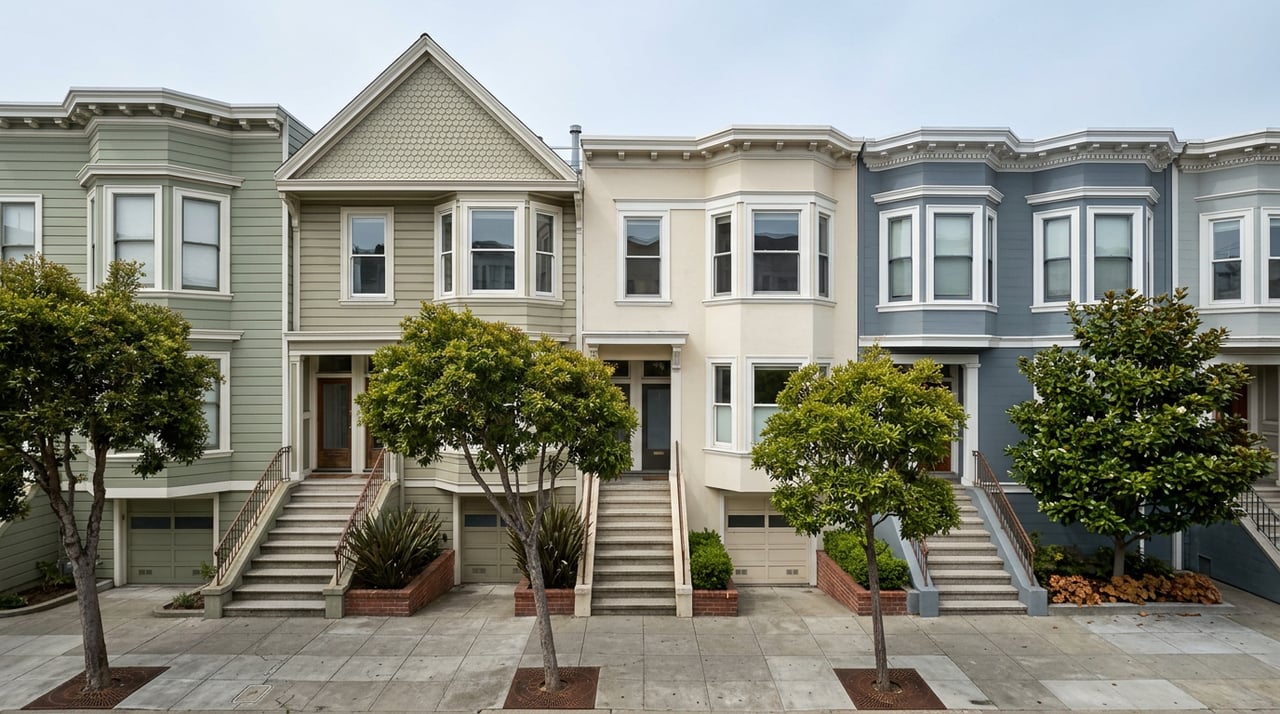
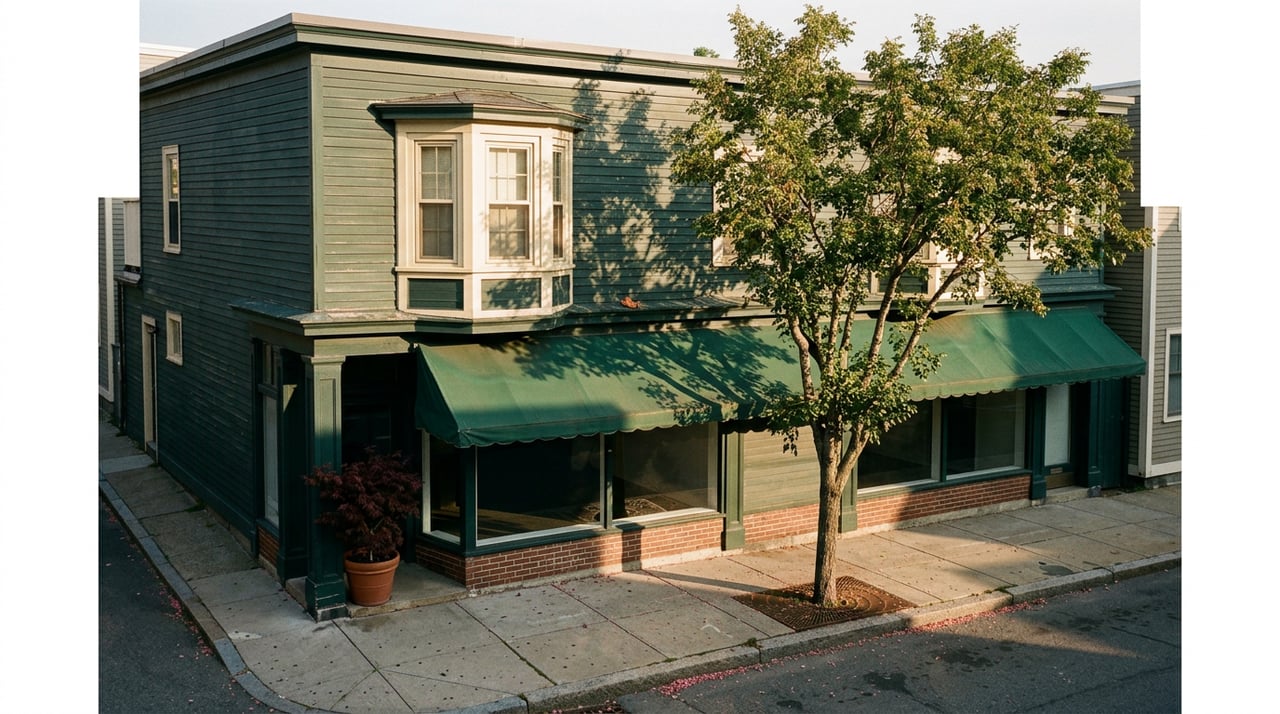
Walk down Hayes Street or Fulton Street in NOPA and you'll pass Victorian duplexes that look nearly identical from the sidewalk. Same bay windows, same 1900s bones, same two-flats-stacked-on-top-of-each-other layout that defines this corner of District 6. List two of them side by side and a buyer would assume the price difference comes down to square footage, finishes, or a nicer kitchen.
It doesn't. It comes down to a single legal test that has nothing to do with what the building looks like and everything to do with who has lived in it, for how long, and whether anyone was ever evicted from it. One duplex passes that test and can become a condominium within a year or two. The identical-looking building next door fails it and stays a tenancy in common indefinitely, worth 10 to 20 percent less and financed through a much smaller pool of lenders. In 2026, with San Francisco's standard condo conversion lottery still suspended, that test is the only reliable path off TIC pricing for most small buildings in the neighborhood, and it disqualifies more buildings than owners expect.
San Francisco has restricted condo conversions since the 1980s, and the restriction only applies more tightly with each passing year the standard lottery stays paused. Buildings with three to six units were supposed to regain access to that lottery sometime in 2024, 2025, or 2026. As of this writing, that hasn't happened, and there's no confirmed date for when it will.
That leaves one door open: the two-unit bypass under San Francisco Planning Code Section 1396.3. It lets a duplex convert to condominiums without entering any lottery at all, provided both units have been owner-occupied as primary residences, by two separate owners who each hold at least a 25 percent interest, for 12 consecutive months. The process is administrative rather than random, which means qualifying buildings aren't competing against each other for a limited number of slots the way larger buildings once did.
That also means unit count alone sorts buildings into two very different futures. A NOPA duplex like the two-unit Victorian fixer recently listed at 1560-1562 Fulton Street has a real, mappable route to condo status. A three-unit building on the same block, like the Victorian at 1333-1337 Hayes or the three-unit property at 819 Lyon Street, does not. Those buildings are stuck waiting for a lottery that may not return this year, or the next. Larger apartment buildings, the five and six-unit stock common throughout the Western Addition, face far stricter rules once the lottery does return and in practice rarely convert at all, regardless of occupancy history.
Even among two-unit buildings, qualifying isn't automatic. Three details quietly take buildings out of the running, and none of them show up in a listing photo.
None of these are visible on a walk-through. They live in occupancy records, rent board filings, and the TIC agreement itself, which is exactly why they surprise people at the point of sale rather than before.
The most avoidable disqualifier in NOPA and the Western Addition is also the most common: the unpermitted third unit. A garden-level in-law apartment, a converted basement bedroom with its own entrance, or a legacy rental unit that was never brought into city records can quietly turn a "duplex" into a three-unit building in the eyes of the Planning Department, even though the TIC agreement only recognizes two owners.
The catch runs both directions. Legalizing that third unit may involve permits. Removing it can also involve permits that are often difficult to obtain under the city's housing preservation policies, since San Francisco is generally reluctant to approve the elimination of existing housing stock. Owners can end up boxed in while the unit's status remains unresolved. This is the detail most likely to catch a buyer off guard mid-escrow, after an inspection or a title search surfaces a unit that was never supposed to exist on paper.
Here's why all of this matters at the price level. TIC pricing in San Francisco runs 10 to 20 percent below comparable condos in 2026, with some estimates putting the gap as high as 30 percent depending on the building and its financing situation. Converting to condominium status doesn't just remove a discount label. It changes who can lend on the property.
TIC buyers today rely on a small pool of specialized lenders, including institutions like Redwood Credit Union, Sterling Bank and Trust, and Bank of Marin, who typically require 20 to 25 percent down and charge rates roughly 0.5 to 1 percentage point above comparable condo loans. Once a building converts, that same unit qualifies for a conventional or jumbo mortgage from any licensed lender in the country. That shift from a handful of portfolio lenders to hundreds of competing conventional ones is where most of the value shows up, more than the sale price alone reflects.
Against that, the conversion itself typically runs $15,000 to $40,000 per unit in attorney, survey, and Department of Public Works fees, with a bypass timeline of roughly 6 to 18 months depending on how clean the paperwork is and whether the city requires revision cycles. For a duplex that clearly qualifies, that cost is small relative to closing even half the gap between TIC and condo pricing. For a building tangled up in an occupancy gap or an unpermitted unit, the same process can stall out entirely, and the fees are still owed.
If you own a NOPA or Western Addition duplex and you're weighing a sale, the occupancy and eviction history are worth reviewing with a real estate attorney before you list, not after an offer comes in. If both owners have already cleared 12 months, that's a fact worth stating plainly in the listing, since it materially changes the buyer pool and the financing conversation from day one.
If you're buying, the presence of the word "TIC" in a listing tells you almost nothing about where that specific building sits on this timeline. Ask directly: how long has each unit been owner-occupied, is there any eviction history attached to the building, and does city record confirm the unit count matches what's being sold. A building marketed as a straightforward two-unit opportunity that turns out to carry an unpermitted garden unit is a different purchase than the listing suggested, with a different financing path and a different resale ceiling.
Is the standard 3-to-6-unit conversion lottery coming back in 2026? As of now, no confirmed date has been set. It was expected to resume in 2024, 2025, or 2026, and none of those windows has produced a restart. Buildings with three or more units should plan around an indefinite wait rather than a specific year.
What should buyers review about a building's history? Review its eviction history when assessing the property's conversion path.
What if only one unit has been owner-occupied for 12 months? The bypass requires both units to independently meet the 12-month owner-occupancy threshold at the same time, by separate owners each holding at least a 25 percent interest. One qualifying owner and one long-term tenant does not meet the standard.
If you're trying to figure out where a specific NOPA or Western Addition property actually stands on this timeline, or what a duplex like this is worth once you account for its real conversion path, Sage Real Estate works through these questions with buyers and sellers every week. Discover what your home is worth before you list it, or before you make an offer on one.
This article is general information, not legal, tax or financial advice. Consult a qualified professional about your situation.
Stay up to date on the latest real estate trends.
You’ve got questions and we can’t wait to answer them.